
The Sarpsborg area in southeastern Norway is a treasure trove of prehistoric history, rich with traces from the Stone Age. Archaeologists have uncovered numerous settlements dating back to both the early and late Stone Age, revealing a deep human presence long before recorded history.
Today, most travelers know Sarpsborg as a town they pass through en route to Sweden – an industrial stop along the Glomma River, surrounded by fertile farmland. But dig a little deeper, and you’ll discover a city with profound historical roots.
Founded in 1016 by King Olav the Holy, the city was originally named Borg, and it proudly stands among Norway’s oldest towns. Known affectionately by locals as “The Blue City,” Sarpsborg once held the prestigious title of Norway’s first capital, a role it maintained until 1030, when Nidaros (now Trondheim) took over.
Walking the so-called Oldtidsruta, or Ancient Trail, is like stepping into a forgotten world. A quiet, forested path through time, where echoes from the Iron Age whisper beneath your feet.
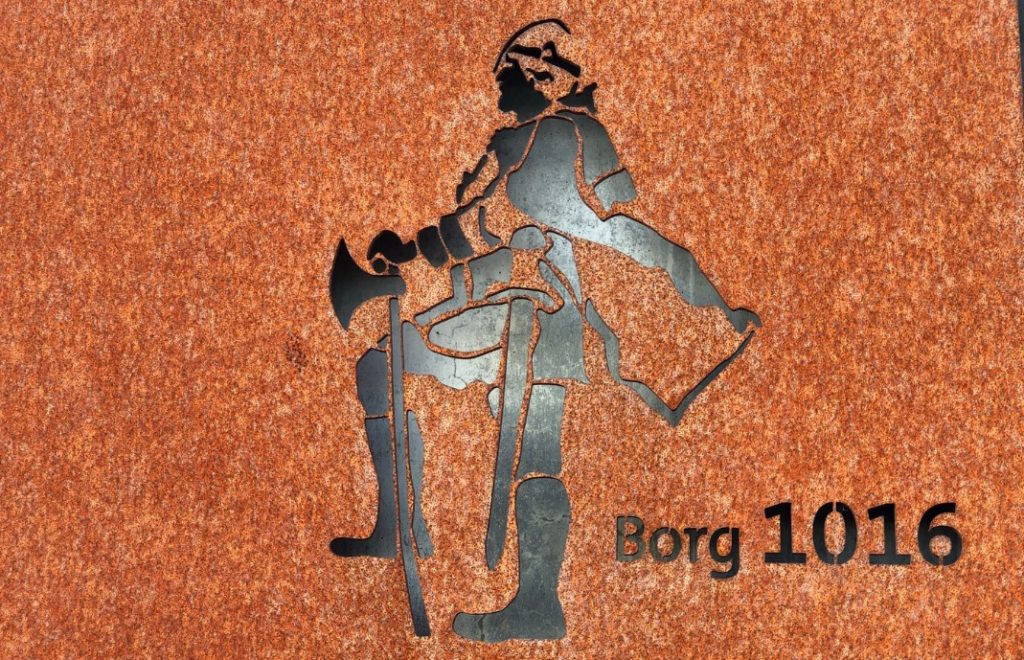
The Ancient Trail – Norway’s richest Bronze and Iron Age route
Oldtidsruta, or Ancient Trail, offers an extraordinary journey through Norway’s most concentrated collection of Bronze Age and Early Iron Age sites. This historical loop takes you deep into the past, across landscapes marked by the lives, beliefs, and rituals of our ancestors.
Along the route, you’ll discover a rich array of burial mounds, stone circles, petroglyphs (rock carvings), hillforts, and monumental rock art fields – each telling a vivid story of everyday life and spiritual beliefs in prehistoric Scandinavia.
The trail begins at Skjebergsletta, winds southward through Fredrikstad, then westward across the Hvaler Islands. From there, it curves north to Hafslund near Sarpsborg, before looping back to Solbergkrysset.
You can explore the route in either direction, and even break it into smaller sections. But for the full experience – including all 12 cultural heritage stops – plan for a full-day outing, especially if you pause for lunch in Gamlebyen, the charming old town of Fredrikstad.
The Ancient Trail isn’t just a scenic drive. It’s a journey through time, offering a rare and powerful connection to the people who once called this land home thousands of years ago.
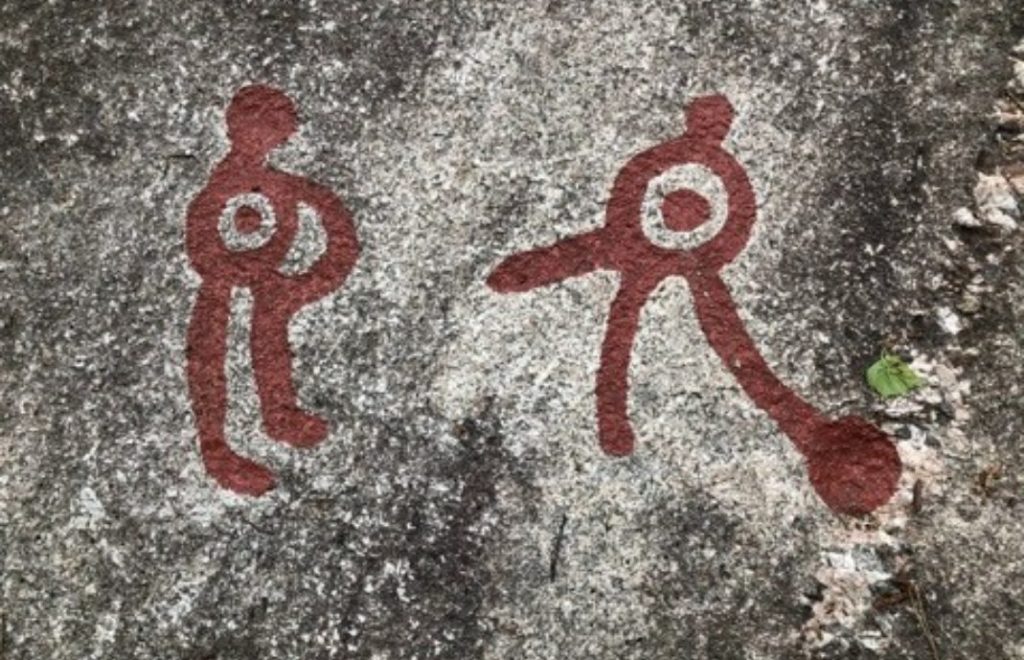
The Bjørnstad Ship – the Gods’ magical vessel
Deep in a quiet woodland glade, carved into a vertical rock face, lies one of Norway’s most awe-inspiring relics of the Bronze Age: The Bjørnstad Ship.
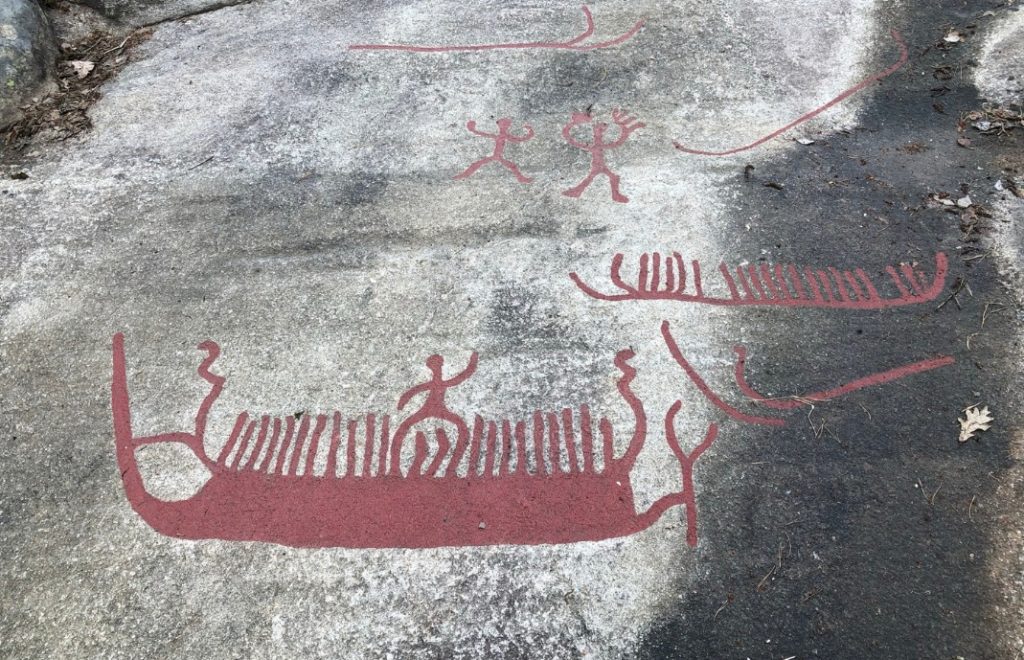
Dating back to around 1000 BCE, this ancient petroglyph site features a large ship carving flanked by two smaller ones. But it’s the central figure that steals the show – at approximately 4.5 meters long, it is considered the largest single rock carving in Northern Europe.
Etched with astonishing precision, the ship appears to carry two twin gods, each standing on deck with axes raised, gazing boldly outward. The imagery is powerful – a mythical vessel transporting deities toward unknown horizons, as if the rock itself has captured a moment from the cosmos of ancient Nordic mythology.
Set in an idyllic forest clearing, the site radiates stillness and reverence. To stand before the Bjørnstad Ship is to feel the echo of a forgotten world – a sacred place where art, ritual, and nature converge.
If you only visit one rock carving along the Ancient Trail (Oldtidsruta), make it this one. The Bjørnstad Ship is not just a highlight – it’s a portal to the imagination of a Bronze Age world.
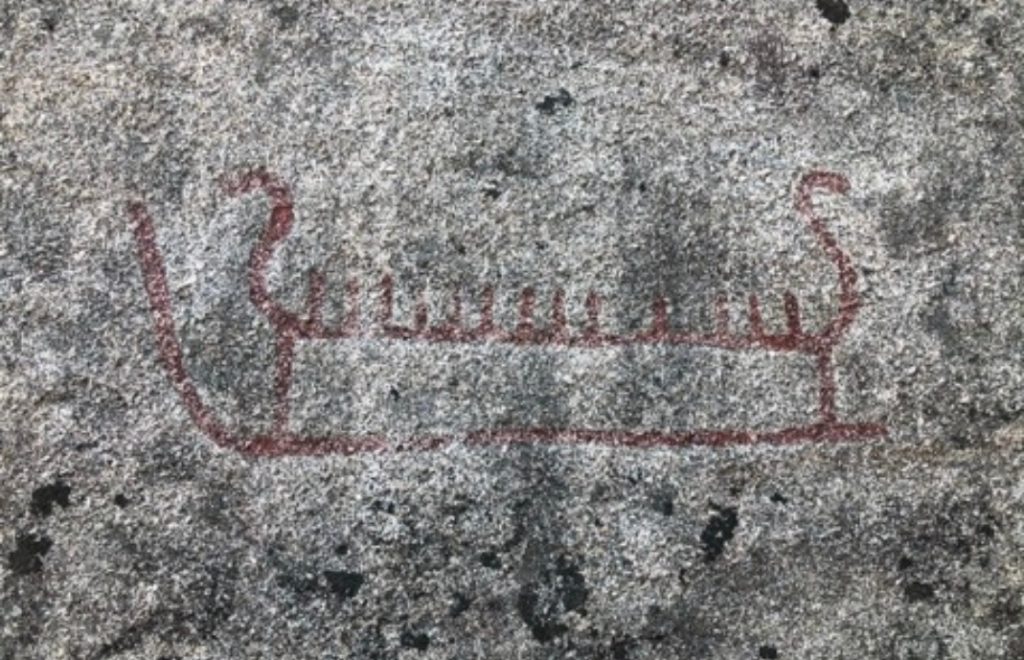
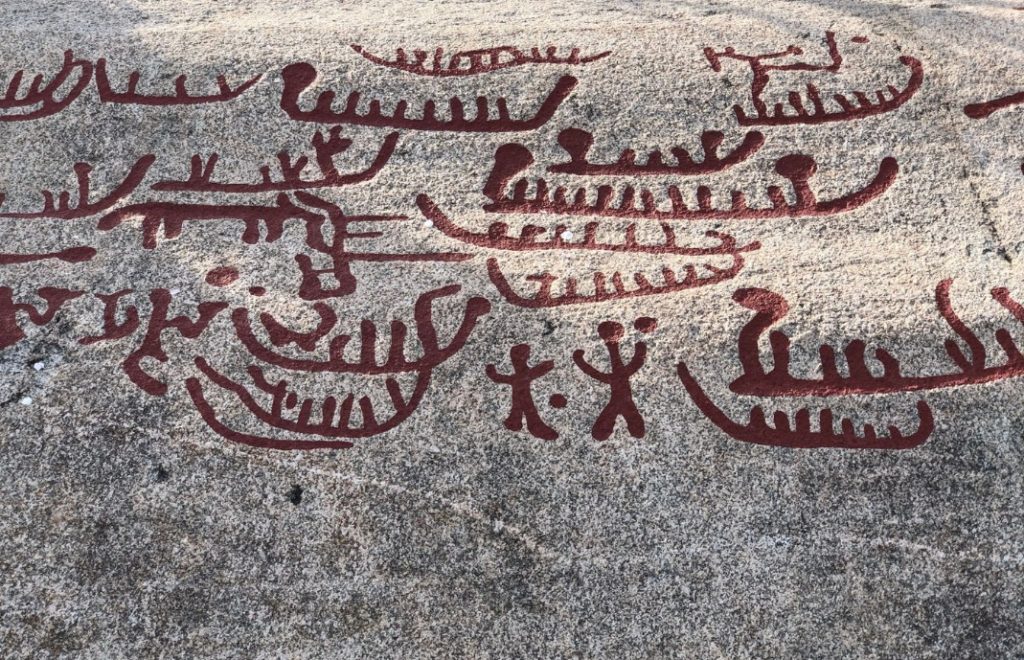
Raw rock art – the unfiltered voices of the Bronze Age
As your journey along the Ancient Trail continues through peaceful farmland and toward the E6 highway, you’ll come across two fascinating and closely situated stops – home to some of Norway’s most thought-provoking petroglyphs.
At Solbergfeltet, the rock carvings offer a powerful glimpse into the spiritual beliefs of the Bronze Age, with motifs that seem to tell a grand creation story carved into stone.
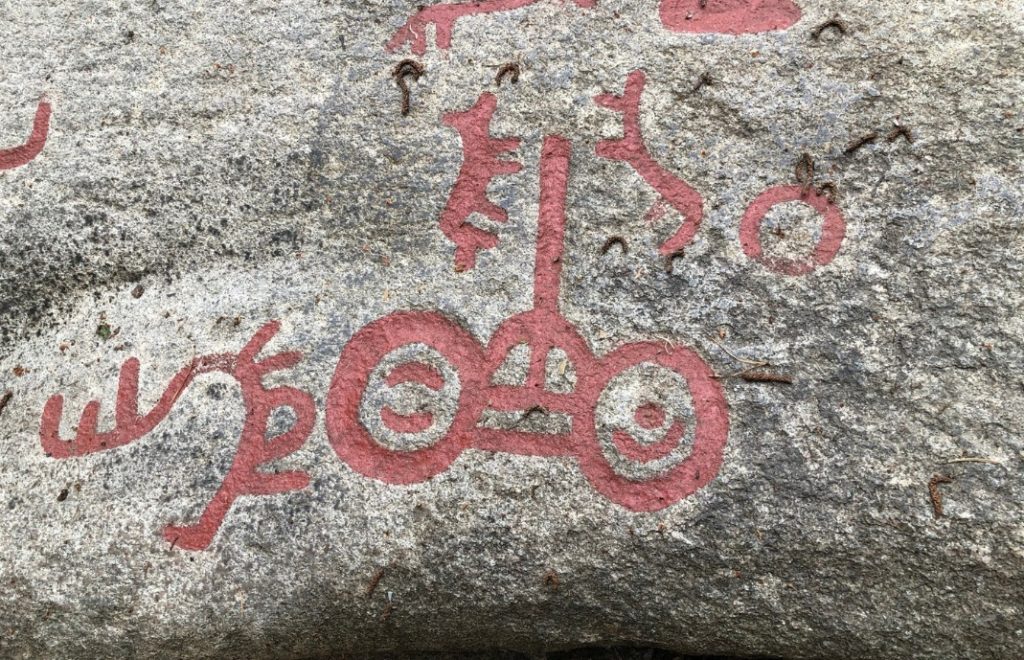
This site consists of three compact carving areas, nestled near one another. Here, you can spot symbolic ships, wagons, a radiant sun wheel, and – remarkably – a tree-like figure, a rare and enigmatic motif in Scandinavian rock art.
The people who created these carvings didn’t choose their canvases at random. The rock faces were carefully selected for their smoothness and natural features – veins of quartz, narrow cracks, and gentle slopes – some even carved in flowing water for dramatic and ritual effect.
Though the carvings were once deep and clear, centuries of weathering – from water and frost – have softened their visibility. One rock at Solberg has lost entire flakes of its surface, a reminder of how fragile these ancient messages truly are.
In the 1950s, many of the most-visited carvings were painted over to enhance visibility, a well-meaning act that we now know can damage the rock and misrepresent the original lines. Today, much of the paint has been removed, especially at the innermost field, though traces remain – offering a visual dialogue between modern intervention and ancient craftsmanship.
Solbergfeltet is not polished or theatrical. It is raw, weathered, and deeply human – a place where the Bronze Age speaks softly, yet powerfully, through stone.
Solbergtårnet – a view into the past
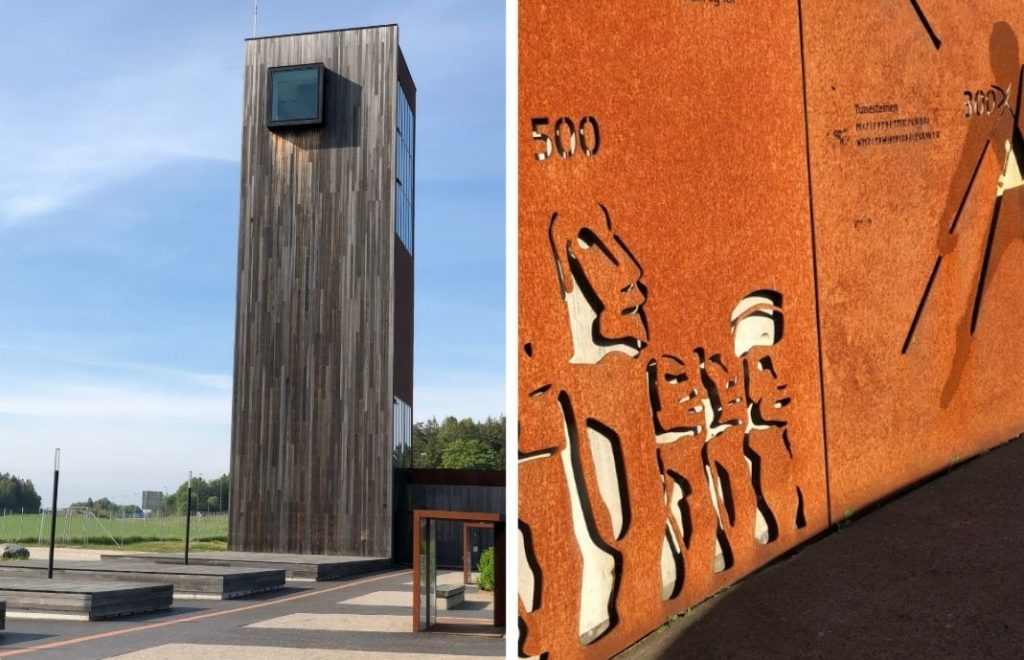
Just a few hundred meters from the ancient carvings of Solberg lies a striking contrast: Solbergtårnet, a bold, modern landmark that bridges past and present.
Soaring 30 meters above the landscape, this architectural observation tower is far more than a rest stop – it’s a gateway to history, offering panoramic views over the very terrain where Norway’s earliest stories are carved into stone.
From the top, you can gaze out across fields dotted with prehistoric monuments, while information panels provide context and photos of the nearby heritage sites you’re exploring. It’s a chance to take in the scale and richness of this ancient corridor from an entirely new perspective.
Along the gently sloping path that leads to the tower, the timeline of Sarpsborg’s history is brought to life – etched into the wall with scenes and milestones from the Iron Age to the modern day, celebrating one of Norway’s oldest cities.
Solbergtårnet isn’t just a lookout – it’s a cultural pause button, where you can reflect on millennia of human presence, framed by both timeless landscapes and thoughtful design.
The Sun Ships of Hornnes – a voyage across the sky
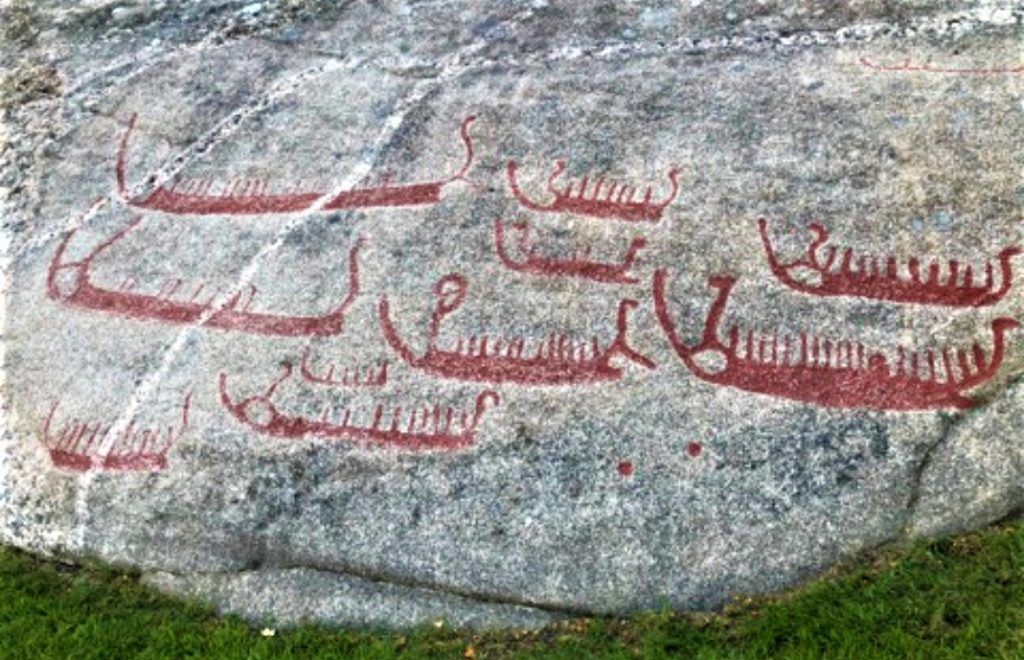
Continue your journey a little further south – just 900 meters from Solbergtårnet – and you’ll discover Hornnesfeltet, a quietly powerful site from the Late Bronze Age.
Park your car and follow the narrow footpath into the wooded grove. There, carved into the rock, await 22 graceful sun ships, all facing east – as if eternally sailing toward the rising sun in search of the sun goddess herself.
Much like us today, our ancestors clearly had a desire to travel. But unlike our journeys of leisure and discovery, they journeyed out of necessity – for survival, trade, or ritual. The ship was their vessel, their lifeline, and their symbol of movement and transformation.
To stand before this ancient armada, carved directly into stone, is to witness a spiritual voyage frozen in time. Are these vessels carrying the goddess of the sun, guiding her across the heavens? Or do they bear the souls of the dead, gliding through the celestial sea toward the afterlife?
Whatever their purpose, the ships at Hornnes remain deeply evocative – a timeless reminder of how humankind has always looked to the horizon, and to the sky, in search of meaning.
Gunnarstorp – the sacred landscape of death
Your next stop on the Ancient Trail leads you into the sacred landscape of Gunnarstorp – a place where death and reverence shaped the land, and where traces of belief and ritual still whisper through the trees.
To reach it, leave the car behind and hike up the forested hillside. Surrounded by birdsong and towering trees, you’ll soon arrive at the first Iron Age burial sites. Continue upward, and you’ll find the heart of the site: a massive Bronze Age burial cairn, standing three meters tall and 30 meters wide – a silent monument to a person of great importance.
Built over 3,000 years ago, the cairn was constructed from rounded beach stones, painstakingly carried from the shoreline. At the time, the sea reached all the way to today’s parking area. In the center of the mound, a stone chamber was laid, where the deceased was placed – resting on a bed of sand, seashells, and smooth stones, symbols of the life they left and the journey ahead.
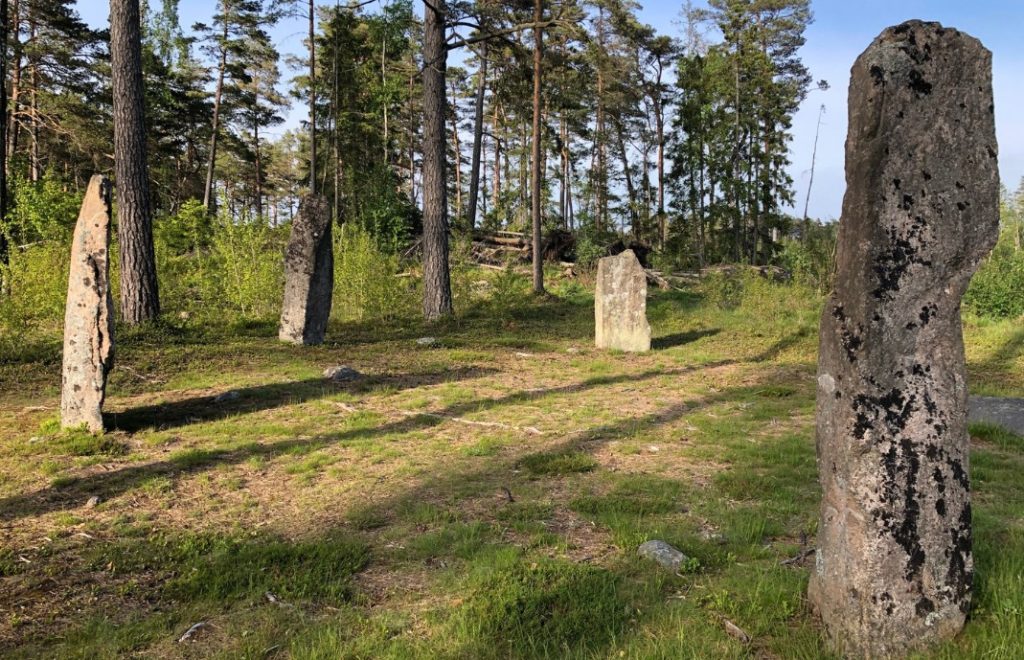
Venture deeper along the trail, and you’ll discover a powerful ceremonial site: large standing stones arranged in circles, stone settings, and ring formations from both the Bronze and Iron Ages. This sacred burial ground was in continuous use for more than a thousand years, and even now, a profound stillness lingers in the air.
Gunnarstorp isn’t just an archaeological site. It’s a place of reflection, where ancient lives are honored in stone, and the timeless dialogue between nature, death, and memory endures.
Storedal Cultural Center – from one age to another
Take a brief leap from ancient history to the contemporary world with a memorable detour to Storedal Kultursenter, just a few kilometers off the main route.
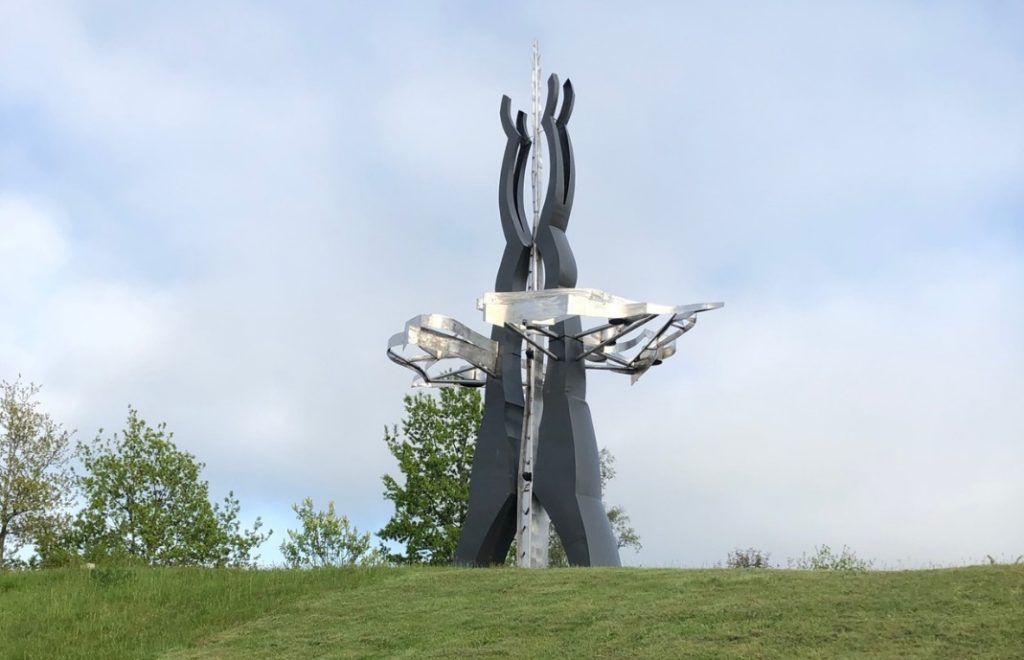
Here, time bends beautifully in a space where art, nature, and innovation meet. At the heart of the center stands “Ode to Light”, a striking sound sculpture by artist Arnold Haukeland, accompanied by a haunting musical composition from Arne Nordheim. Together, they create an immersive, multisensory tribute to light – one that resonates even with those who cannot see it.
Storedal is a rare cultural space, designed with intention and inclusivity by a collaboration of artists, scientists, and landscape architects. It’s especially tailored for the visually impaired, featuring a rock carving exhibition for the blind that makes ancient heritage accessible through touch and sound.
The grounds also include a peaceful amphitheater and a study garden filled with more than 200 different plant species, offering a sensory journey through sight, scent, and texture.
Storedal is a reminder that every age has its own way of interpreting the world, and here, the past and present converge in a thoughtful, deeply human experience.
The Stone Rings of Hunn – a spectacular cultural monument
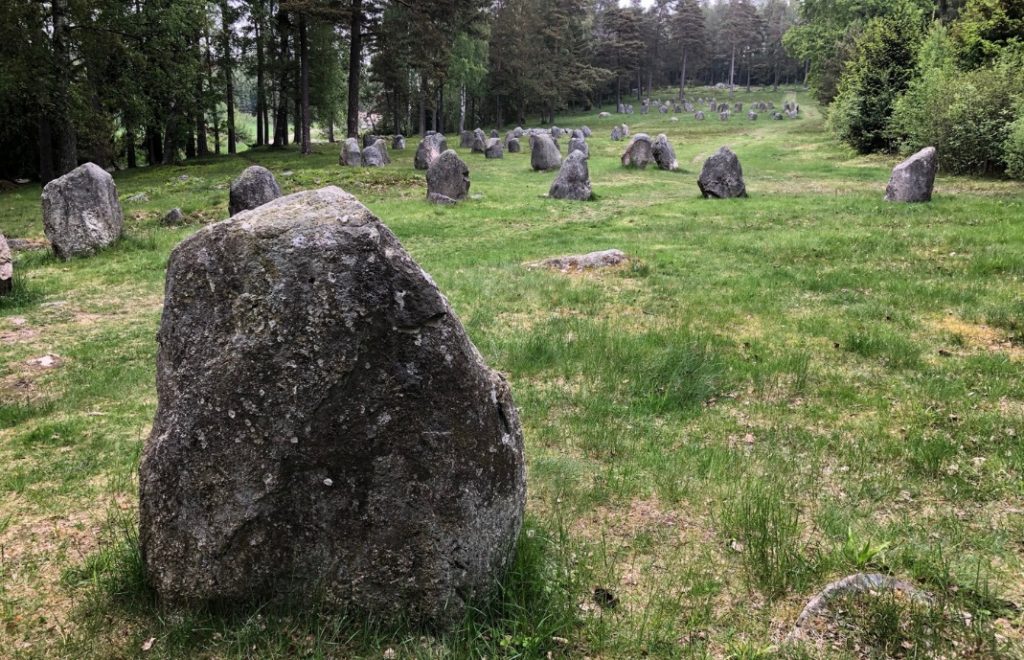
As your journey nears its final chapters, make your way to one of the trail’s most captivating and mysterious sites: Steinringfeltet at Hunn, a remarkable burial landscape from the Pre-Roman Iron Age.
Here, scattered across the open terrain, lie several large stone rings, each formed from towering boulders – ritual monuments that once marked graves of significance. Interwoven among them are smaller burial mounds and stone cairns from the later Iron Age, adding layers of history to this already powerful place.
The setting is atmospheric, even haunting. There’s a strange quiet that lingers over the stones, a peaceful stillness that makes it feel as if the landscape itself is holding its breath – guarding secrets from long ago.
Archaeologists believe the largest rings originally consisted of 13 stones, possibly symbolic. When the site was first surveyed in the 1950s, they recorded an impressive array of burial and ritual features, including:
- 11 round mounds
- 13 stone cairns (røyser)
- 11 circular stone settings
- Two round stone pavings
- One round mound with a “foot chain”
- Traces of sunken roads
- And even a few petroglyphs (rock carvings)
Steinringfeltet at Hunn is more than a burial ground. This is a spiritual landscape, carved and arranged with meaning, mystery, and reverence. A final, unforgettable stop that invites contemplation and connects you, once again, to the enduring presence of those who walked these lands before us.
Gullskår rock carvings at Begby – The Bronze Age Dancer
Your journey through ancient landscapes reaches a true highlight at Gullskår, the rock art site at Begby, dating back to the Late Bronze Age.
Considered one of Norway’s most impressive rock carving fields, this site is as visually striking as it is historically rich.
A peaceful woodland trail leads you to the carvings, where you’ll find an extraordinary array of around 170 figures etched into sloping rock surfaces:
- Sun symbols
- Human figures
- Ships with animal-shaped prows
- Wagons
The area is thoughtfully developed for visitors, with wooden staircases and walkways that provide easy access and excellent viewing of the carvings nestled in the rock slopes.
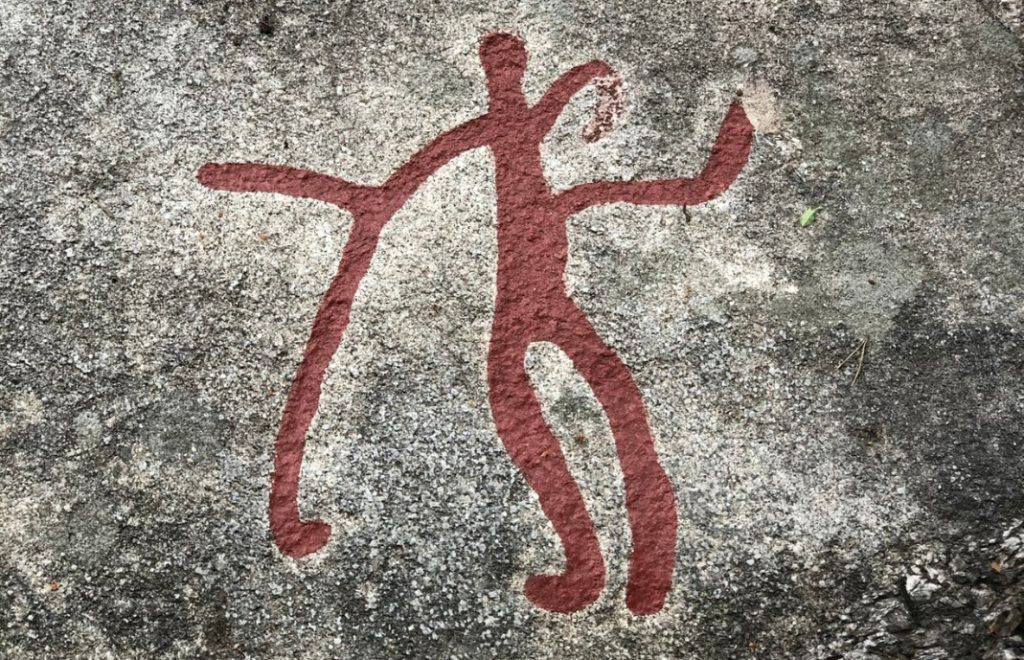
Among these ancient images, the most famous is the Begby Man – also affectionately known as “the Bronze Age Dancer.” With arms raised and legs in motion, this graceful figure captures the imagination like few others – perhaps caught mid-ritual, mid-dance, or mid-story across the millennia.
The site was first described in 1871 by schoolteacher and amateur archaeologist Martin Arnesen. Later, in 1944, archaeologist Erling Johansen presented research confirming Begby as one of the largest and most varied rock art sites in the region.
Like many ancient sites in Østfold, the Gullskår field lies on the fertile ridge of the raet – a moraine of sand and gravel left behind by the retreating Ice Age glacier, rich in both soil and history.
Set your own pace, stop where curiosity calls, and let the carvings guide you. At Begby, the past doesn’t just speak – it dances.
12 cultural treasures along Norway’s Oldtidsruta
Oldtidsruta (The Ancient Trail) invites you on an extraordinary journey through 12 prehistoric cultural landmarks in Østfold. Each one a powerful reminder of Norway’s deep and storied past.
From Bronze Age carvings to Iron Age burial grounds, this trail connects sacred landscapes, myth-laden monuments, and quiet forest clearings where the echoes of early civilization still linger.
Here are the 12 cultural heritage sites included on the route:
- Solbergfeltet – Petroglyphs portraying Bronze Age beliefs, including sun symbols, ships, and the rare carving of a tree.
- Hornnesfeltet – 22 beautifully carved “sun ships” sailing eastward, possibly toward the sun goddess or the afterlife.
- Gravfeltet ved Gunnarstorp – A sacred burial landscape with mounds, stone circles, and monuments from both the Bronze and Iron Ages.
- Steinringene ved Hunn – Impressive stone circles and burial mounds; a spiritual space used for over 1,000 years.
- Gravhaugene ved Hunn – Additional burial mounds highlighting the area’s importance in early funerary practices.
- Helleristningene ved Begby skole – Smaller but significant carvings close to the school, contributing to the area’s rich tapestry of Bronze Age art.
- Helleristningene ved Begby/Gullskår – One of Norway’s largest and most varied rock art sites, home to the famous “Begby Man” or Bronze Age Dancer.
- Gravfeltet ved Opstad – A lesser-known yet evocative site with burial structures blending into the natural surroundings.
- Helleristningene ved Kalnes – Symbolic carvings that offer insight into Bronze Age ritual and cosmology.
- Hafslund Hovedgård – A historic estate surrounded by ancient petroglyphs and burial mounds, merging cultural layers from prehistory to modernity.
- Bjørnstadskipet – The largest known rock carving in Northern Europe; a mythic ship with twin axe-wielding gods on deck.
- Jellhaugen – A majestic burial mound and one of Norway’s largest, believed to be the grave of a powerful Iron Age chieftain.
Viewing tip:
The best time to see the petroglyphs is when the sun is low in the sky – either early morning or late afternoon. The angled light casts shadows into the carvings, bringing them to life.
For a truly magical experience, visit at night with a flashlight or angled artificial light. The ancient figures will seem to emerge from the stone, glowing with the stories of those who carved them thousands of years ago.
Extra stops along Oldtidsruta – enrich your journey
While the 12 cultural heritage sites along Oldtidsruta offer a deep dive into Norway’s prehistoric past, these bonus stops add even more depth, charm, and variety to your journey – from panoramic views to polar exploration and fortified history.
Solbergtårnet – a modern viewpoint over ancient land
Located just off the E6 highway, Solbergtårnet is a striking 30-meter observation tower and rest area offering sweeping views over the surrounding landscape, including several ancient sites.
- Features historical timelines and information boards.
- Ideal for a break with both scenery and storytelling.
Gamlebyen in Fredrikstad – Norway’s best-preserved fortress town
Østfold’s most popular tourist attraction, the Old Town of Fredrikstad is a living museum surrounded by star-shaped fortifications and filled with history, charm, and culture.
- Wander the old ramparts, browse artisan shops, and enjoy lunch in cozy cafés or restaurants.
- History buffs will love the preserved military architecture, museums, and narrow cobbled streets.
- Overnight stays are available inside the fortress walls.
Roald Amundsen’s Memorial – a tribute to a Polar legend
In the quiet village of Borge, you’ll find the birthplace of Roald Amundsen, Norway’s legendary polar explorer and the first person to reach the South Pole.
- A small museum and summer café offer insight into his life and legacy.
- The site is still home to descendants of Amundsen, and retains the feel of a traditional skipper colony.
- Perfect for those inspired by exploration, resilience, and Norwegian adventure history.
Together, these stops offer a well-rounded experience that blends prehistoric mystery, historical depth, and heroic legacy – turning your journey along the Oldtidsruta into a truly unforgettable exploration of Norwegian heritage.
More inspiration to visit Østfold:
Cruising the Halden Canal
Alpaca trekking – Pure magic
En komplett guide til Indre Østfold
Unionsleden: Cycling from Norway to Sweden
Check-in: Glamping at Hallerud Farm
