
Uganda has long been celebrated as the Pearl of Africa – a title that speaks to its rare beauty and unmatched natural wealth. Nowhere is this more evident than within its extraordinary national parks. Here, veils of mist drift across gorilla-inhabited mountains, while endless golden savannas stretch toward the horizon, alive with elephants, lions, and towering giraffes. Together, these landscapes form a wild, unspoiled mosaic that feels at once timeless and untouched.
Each sunrise ushers in a new adventure. Picture yourself gliding silently across a mirror-still lake at dawn, as hippos surface with gentle grunts and fish eagles call overhead. Or imagine trekking through emerald-green rainforests, the air alive with birdsong, before locking eyes with a mountain gorilla – one of the most profound encounters with nature imaginable. Out on the endless plains, a game drive carries you straight into the beating heart of Africa’s wilderness, where herds flow across the horizon like waves and predators move with ancient grace.
What makes Uganda truly unique is its extraordinary diversity, all within a country that still feels wonderfully undiscovered. Few places on earth allow you to journey from snowcapped peaks to tropical rainforests, from rushing rivers to vast, sun-drenched savannas – all within a single trip.
For travelers with a thirst for adventure and a love for nature in its purest form, Uganda’s national parks are not simply places to visit – they are experiences to live, to breathe, and to carry with you for a lifetime.
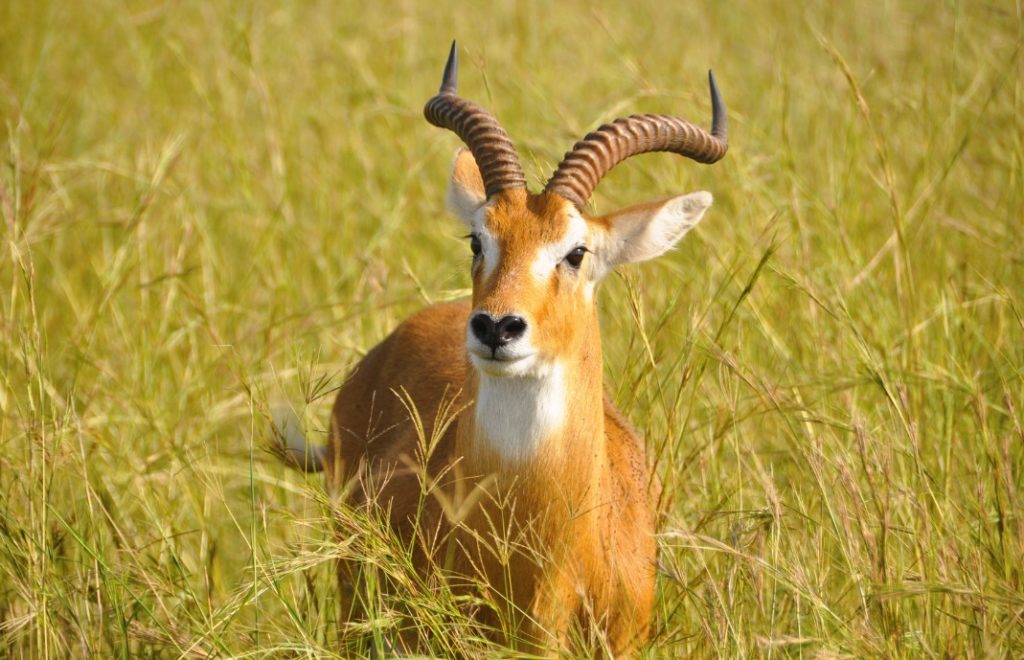
Queen Elizabeth National Park – Uganda’s safari jewel
In the southwest of Uganda, about 400 kilometers from Kampala, lies Queen Elizabeth National Park – the country’s second-largest and most beloved conservation area. Covering 1,978 km² across the Albertine Rift Valley, the park unfolds as a landscape of remarkable variety: sweeping savannas, acacia woodlands, tropical rainforests, lush wetlands, fertile grasslands, and sparkling lakes. This diversity of habitats shelters more than 600 species of birds, 95 species of mammals, and 10 species of primates, making it one of Africa’s most biodiverse corners.
Among its most iconic experiences are chimpanzee trekking in the Kyambura Gorge and encounters with the park’s legendary tree-climbing lions of the Ishasha sector. Visitors can also enjoy tranquil boat cruises along the Kazinga Channel, embark on classic game drives across the Kasenyi Plains, or explore the cultural traditions of Lake Katwe, where salt is still mined using centuries-old methods.
While Queen Elizabeth National Park can be visited year-round, the best time to experience its wildlife is during the dry seasons of June to September and December to February, when animals are most visible.
Reaching the park is straightforward: a 7-8 hour drive from Kampala or Entebbe along the Masaka-Mbarara or Mubende-Fort Portal routes. Once there, you’ll find accommodation to suit every traveler – from budget-friendly camps and charming mid-range lodges to exclusive luxury retreats – ensuring that your safari can be tailored exactly the way you dream it.
More inspiration: A guide to Queen Elizabeth National Park
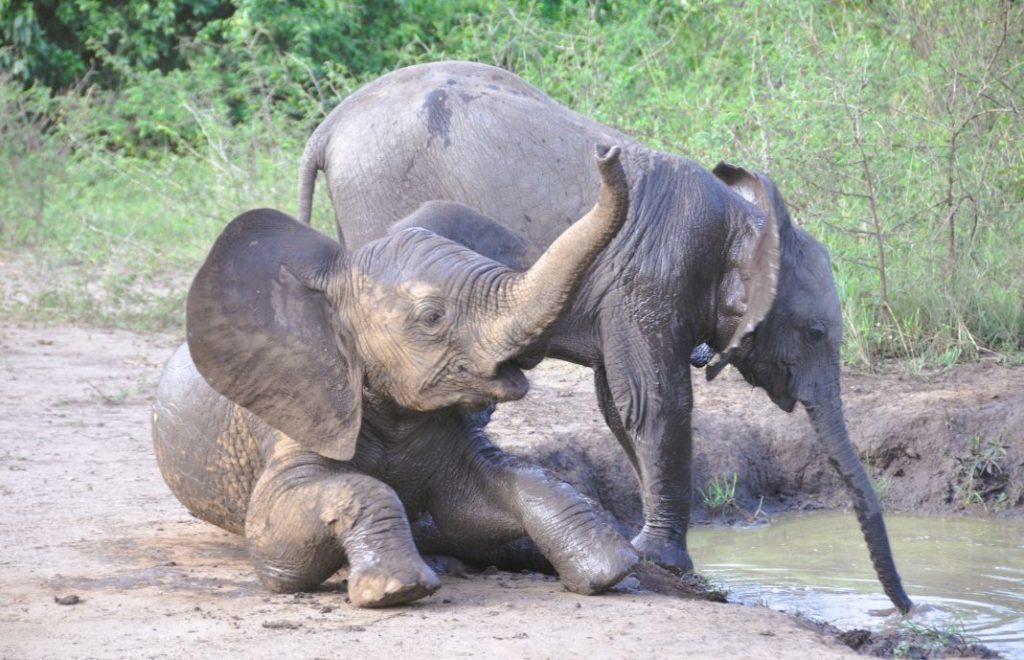
Bwindi Impenetrable Forest National Park – Home of the mountain gorillas
In Uganda’s far southwest, perched on the edge of the Rift Valley, lies Bwindi Impenetrable Forest National Park – a mystical wilderness as intriguing as its name suggests. Though it spans just 318 km², this UNESCO World Heritage Site ranks among Africa’s most biologically diverse sanctuaries. Over 120 species of mammals and 350 bird species thrive here, in a dense, emerald jungle where sunlight filters through a cathedral of trees and the air hums with exotic sounds.
What makes Bwindi truly legendary is its status as one of the last refuges of the endangered mountain gorilla. Here, amidst mist-shrouded hills and lush rainforest, travelers embark on gorilla treks that are nothing short of life-changing. To stand face-to-face with these majestic creatures in their natural habitat is an encounter both humbling and profoundly moving – an experience that lingers long after you leave.
The best time to visit Bwindi is during the dry seasons, from December to February and June to August, when the trails are more accessible and sightings are at their best.
Easily combined with other safari destinations, Bwindi is just a 2–3 hour drive from Queen Elizabeth National Park or 6–8 hours from Kampala via Mbarara. After a day of adventure, unwind in a lodge that matches your style and comfort – whether a simple guesthouse or a luxury retreat overlooking the rainforest canopy.
For those seeking to deepen their conservation journey, the Pangolin Rescue Center in the Buhoma area offers a rare opportunity to learn about and support the protection of these shy, endangered creatures.
In Bwindi Impenetrable Forest, you don’t just visit – you immerse yourself in one of nature’s most intimate and untouched worlds, an experience you will carry with you forever.
More inspiration:
Gorilla trekking in Bwindi National Park
A guide to Gorilla Trekking
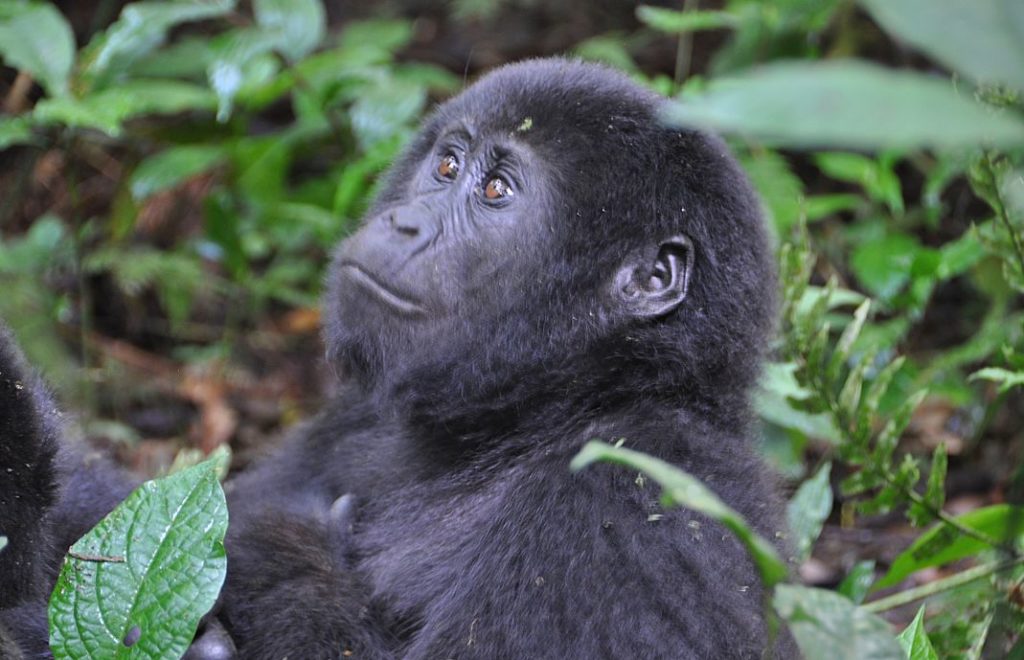
Murchison Falls National Park – Uganda’s oldest and grandest safari haven
Where the ancient Bunyoro Kingdom gives way to endless golden savannas, you’ll find Murchison Falls National Park – Uganda’s largest and oldest protected wilderness. Covering a vast 3,900 km², it was first declared a game reserve in 1926 before gaining national park status in 1952. Just 305 kilometers north of Kampala, in the Masindi district, the park is easily reached by road, rewarding travelers with unforgettable safari adventures.
At the very heart of the park flows the mighty River Nile, carving its way dramatically through the landscape. Here, the river plunges 45 meters down the Rift Valley wall, exploding into the roaring spectacle of Murchison Falls, also known as the Devil’s Cauldron. This 80-kilometer stretch of rapids offers one of Uganda’s most powerful natural dramas: elephants, giraffes, and buffalo gather at the riverbanks, while hippos, crocodiles, and countless waterbirds hold permanent residence in the Nile’s eternal theatre.
The wildlife of Murchison Falls is astonishingly rich, with more than 144 species of mammals, 556 bird species, 51 reptiles, and 51 amphibians. Among the most sought-after sightings is the elusive and almost mythical shoebill stork, a true prize for patient birdwatchers.
Activities here span from classic game drives across the savanna, to atmospheric boat cruises along the Nile, and captivating birding safaris. For a more complete experience, combine your visit with the Ziwa Rhino Sanctuary in Nakasongola, halfway between Kampala and the park. Home to Uganda’s only white rhinos, Ziwa offers the thrill of rhino trekking, along with nearly 40 other mammal species and around 300 bird species.
A journey to Murchison Falls National Park is more than just a safari – it is an encounter with Uganda’s wilderness at its most dramatic, untamed, and alive.
More inspiration:
Why you must visit Murchison Falls National Park
In the realm of giraffes
The rhino’s fight for survival
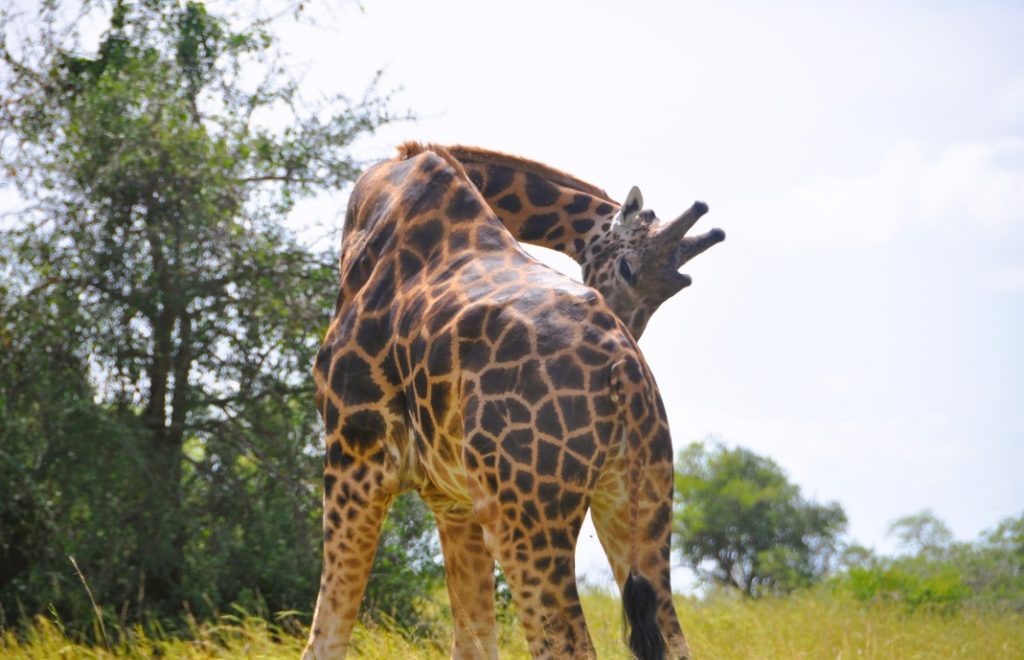
Kibale National Park – Africa’s primate capital
About 348 kilometers west of Kampala, just a short drive from the charming town of Fort Portal, lies Kibale National Park – a paradise for nature lovers and, above all, those eager to encounter Africa’s richest variety of primates. Spanning 795 km², the park is a patchwork of habitats: from moist, evergreen rainforest on the Fort Portal plateau, to dry tropical forest, open woodland, and sweeping savanna along the Rift Valley floor.
Kibale proudly holds the title of Africa’s Primate Capital, with no fewer than 13 species calling it home. Chimpanzees are the star attraction, but visitors may also meet colobus monkeys, mangabeys, and an impressive cast of other primates. Beyond its primate treasures, the park shelters an astonishing array of wildlife, including buffalo, leopard, elephant, bushpig, and several species of duiker. Amphibians, reptiles, and a kaleidoscope of butterflies add even more color to the experience.
For the adventurous traveler, Kibale offers more than just chimpanzee trekking. Guided hikes take you deep into its varied landscapes, inviting you to explore nature’s abundance at your own pace. While the park can be visited year-round, the best time is during the dry months of December to February and June to September, when the trails are easier to navigate.
A journey into Kibale National Park is a journey into the very heart of Uganda’s lush jungles – where humankind’s closest relatives roam freely, and where nature’s diversity reveals itself in its most vivid and vibrant form.
More inspiration: Meet the chimpanzees of Uganda

Lake Mburo National Park – Uganda’s hidden safari gem
Just 253 kilometers from Kampala, and conveniently located along the main highway leading to Uganda’s great western parks, lies Lake Mburo National Park. At only 260 km², it is one of the country’s smallest parks, yet also one of the most accessible – making it the perfect stopover on a longer safari journey west, or even as a rewarding day trip from the capital.
The landscapes of Lake Mburo are shaped by ancient Precambrian rocks more than 500 million years old. Today, they form a picturesque backdrop of rolling hills, shimmering lakes, and wetlands that harbor a collection of animals and bird species found nowhere else in Uganda.
What the park lacks in size, it makes up for in intimacy and variety. Visitors can choose from a wide range of activities: classic game drives, scenic nature walks, adventurous horseback safaris, tranquil boat cruises, exciting birdwatching, or even fishing. Because of its scale, every encounter feels close and personal, offering a more serene safari experience than in Uganda’s larger parks.
Lake Mburo is open year-round, but the best time to visit is during the dry months of June to August and December to February, when wildlife congregates around the lake and watering holes.
Small in size but vast in experience, Lake Mburo National Park is a hidden gem of Uganda’s safari world – an intimate and unforgettable meeting with nature that will leave you with memories to treasure for a lifetime.
More inspiration: A guide to Lake Mburo National Park
Mgahinga Gorilla National Park – Small in size, grand in experience
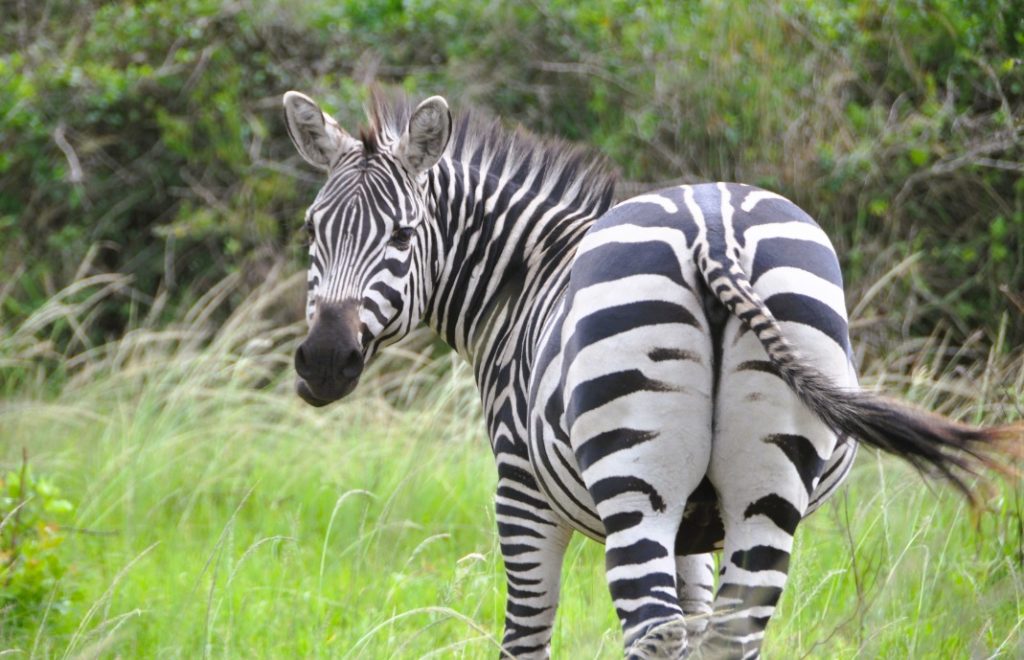
In Uganda’s far southwest, tucked into the Kisoro district along the borders of Rwanda and the Democratic Republic of Congo, lies Mgahinga Gorilla National Park. At just 33.7 km², it is the smallest of Uganda’s national parks – but don’t be deceived by its size. The adventures waiting here rank among the most extraordinary on the entire continent.
Established in 1991 to protect the endangered mountain gorillas that call its dense forests home, Mgahinga offers one of the world’s rarest wildlife encounters: gorilla trekking. Yet the park’s wonders don’t stop there. Hike through the dramatic Virunga Mountains, scale the iconic peaks of Sabinyo and Muhavura, or marvel at the rich birdlife, with more than 115 recorded species. Among the park’s mammals are buffalo, elephant, duiker antelopes, the mighty giant forest hog, and the elusive and enchanting golden monkey.
What makes Mgahinga truly remarkable is its exclusivity. It is one of only four places on Earth where mountain gorillas can still be seen in their natural habitat – alongside Bwindi in Uganda, Volcanoes National Park in Rwanda, and Virunga in Congo. For many travelers, that alone places Mgahinga high on the ultimate adventure list.
The park is open year-round, though the best trekking conditions come during the dry months of June to September and December to February, when trails are easier to navigate and gorilla encounters more rewarding.
Mgahinga Gorilla National Park may be small, but it offers some of the most intimate and unforgettable moments nature has to give – a place where borders fade, and the spirit of adventure begins.
Kidepo Valley National Park – Uganda’s hidden wilderness
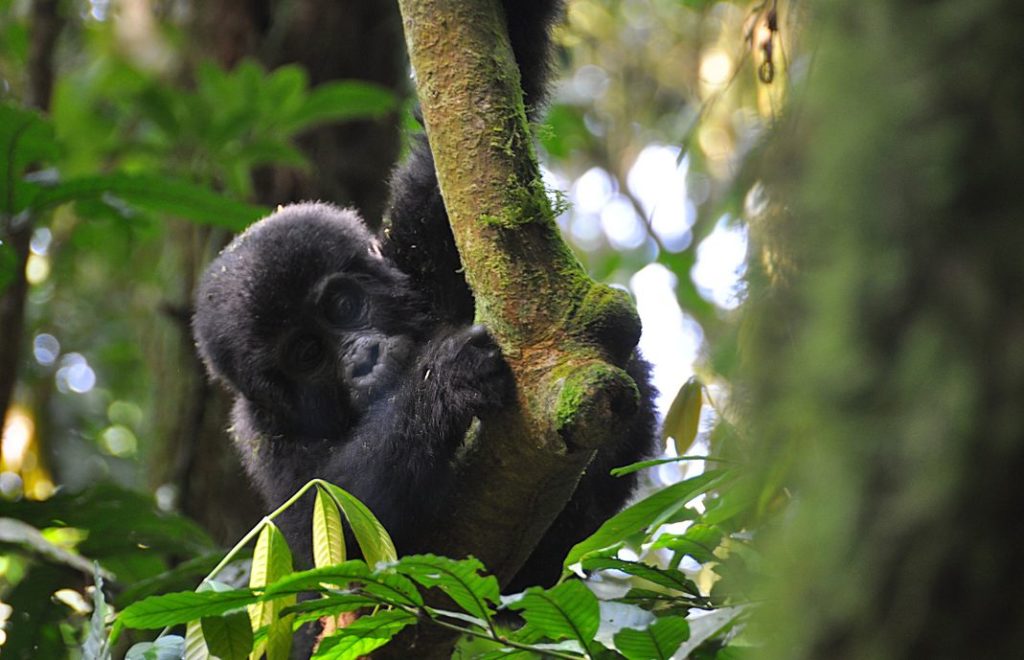
In Uganda’s far north, straddling the border with South Sudan and just a few kilometers from Kenya, lies Kidepo Valley National Park – a wild, remote paradise often hailed as the country’s most spectacular, yet least-visited national park. Spanning an impressive 1,442 km² and located some 700 kilometers from Kampala, the journey here is long—but the reward is immense.
The scenery is dramatic and untamed: parched valleys, wide-open savannas, and rugged mountains rising against the horizon. Two rivers, the Kidepo and the Narus, cut through the park, though both vanish in the hottest months, leaving behind small pools that become vital gathering spots for wildlife. The Narus Valley in particular is famous for its abundant game, where travelers can witness vast herds of buffalo and elephants, as well as lions, cheetahs, and the striking ostrich.
Kidepo is a land that feels untouched and timeless – an Africa as it once was, and as few will ever experience. For adventurous travelers willing to make the journey north through the fascinating Karamoja region, the park promises one of the most authentic and magical safari experiences on the continent.
Semuliki National Park – Uganda’s tropical lowland paradise
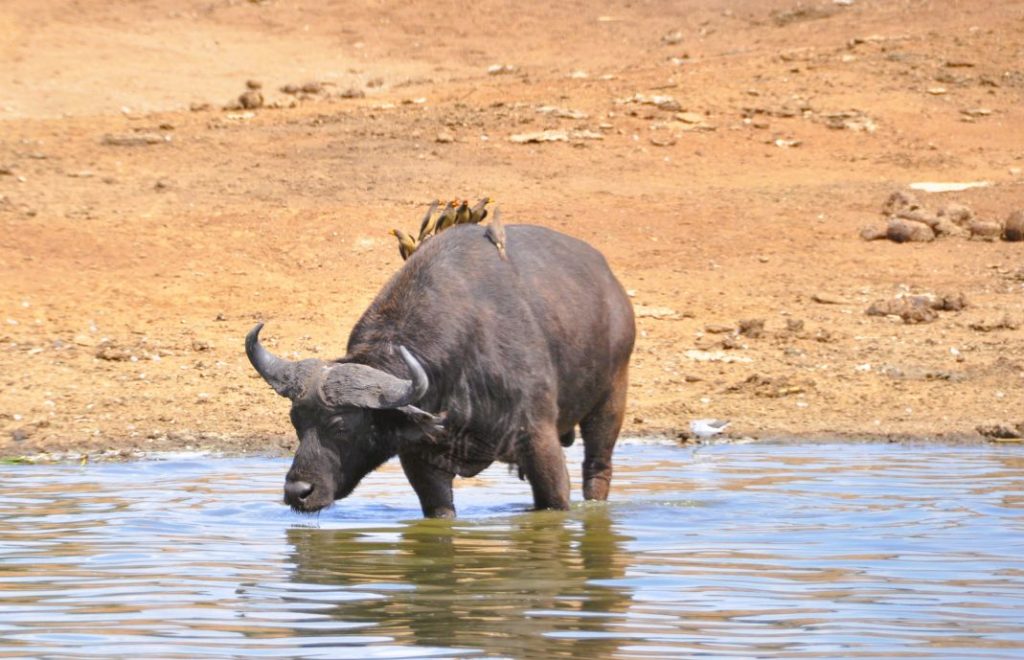
In western Uganda, along the border with the Democratic Republic of Congo, lies Semuliki National Park- one of the country’s youngest protected areas, established in 1993. Covering 220 km², the park stretches between the Rwenzori Mountains to the southeast and Lake Albert to the north, offering a landscape unlike any other in Uganda. Here, lush lowland rainforest merges with savanna, and during the rainy season, vast areas transform into a shimmering, flooded wilderness.
Semuliki is a dream for bird enthusiasts, boasting 441 recorded species, more than two-thirds of them forest specialists. Rare and dazzling birds such as the blue-headed crested flycatcher, the rainbow sunbird, and the white-tailed hornbill make it one of East Africa’s premier birding destinations. Beyond its avian wonders, the park is also home to more than 60 species of mammals, including forest buffalo, dwarf antelope, flying squirrels, leopards, and the elusive pygmy hippos.
Visitors can immerse themselves in this biodiversity in countless ways: classic game drives, guided birding excursions, or hikes along the 13-kilometer Kirumia Trail that winds through the forest. You can also experience Semuliki from the water with a boat trip along the Semuliki River. And no visit is complete without witnessing the legendary Sempaya Hot Springs and Mumbuga geysers, where steaming water and vapor rise dramatically from the earth, creating a scene that feels almost otherworldly.
A hidden gem of Uganda’s wild places, Semuliki National Park is where tropical abundance meets untamed wilderness – a sanctuary where both nature’s drama and its tranquility unfold side by side.
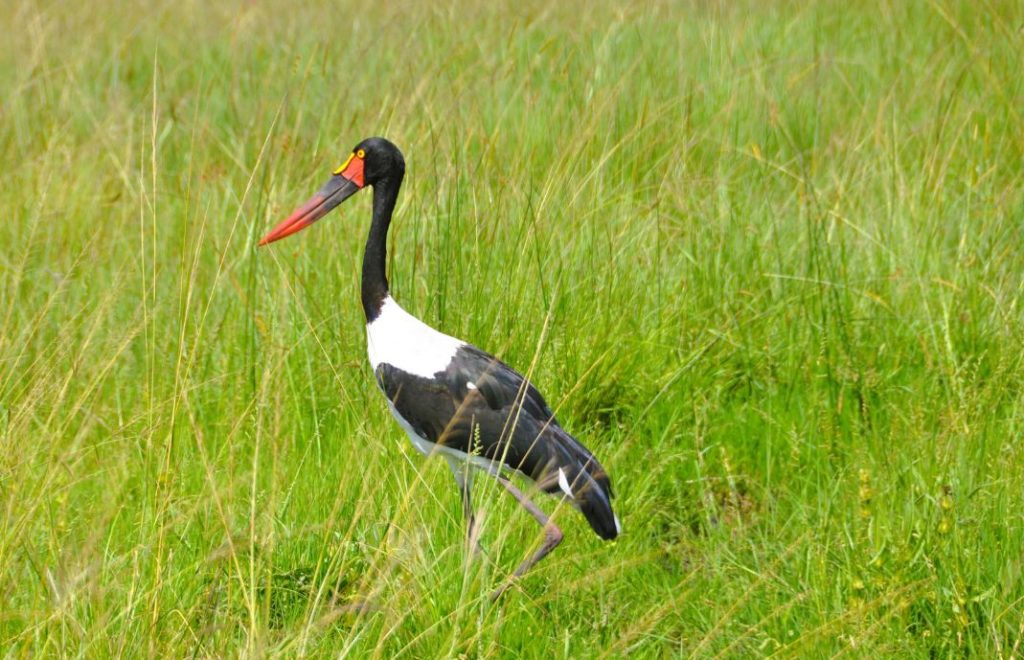
Uganda is one of the world’s most fascinating destinations – an untamed jewel where adventure and wonder await at every turn. Here’s even more inspiration to place the Pearl of Africa firmly on your bucket list.
