
Few adventures capture the imagination like an African safari. It’s the golden savannas at sunrise, the rhythmic beat of hooves across the plains, the thrill of spotting a lion’s silhouette against the fading light. Yet for many travelers, one question lingers before the journey begins: Kenya or Tanzania?
These two East African neighbors share more than a border – they share a heritage of wilderness that feels almost mythical. Kenya enchants with its cinematic landscapes and legendary Maasai Mara, while Tanzania stirs the soul with the vast Serengeti and the shadow of Kilimanjaro. Both promise encounters with nature at its rawest and most breathtaking.
In this guide, we’ll compare the essence of each – from wildlife and landscapes to culture and experience – to help you decide where your dream safari truly awaits.
Kenya – The heartbeat of the classic safari
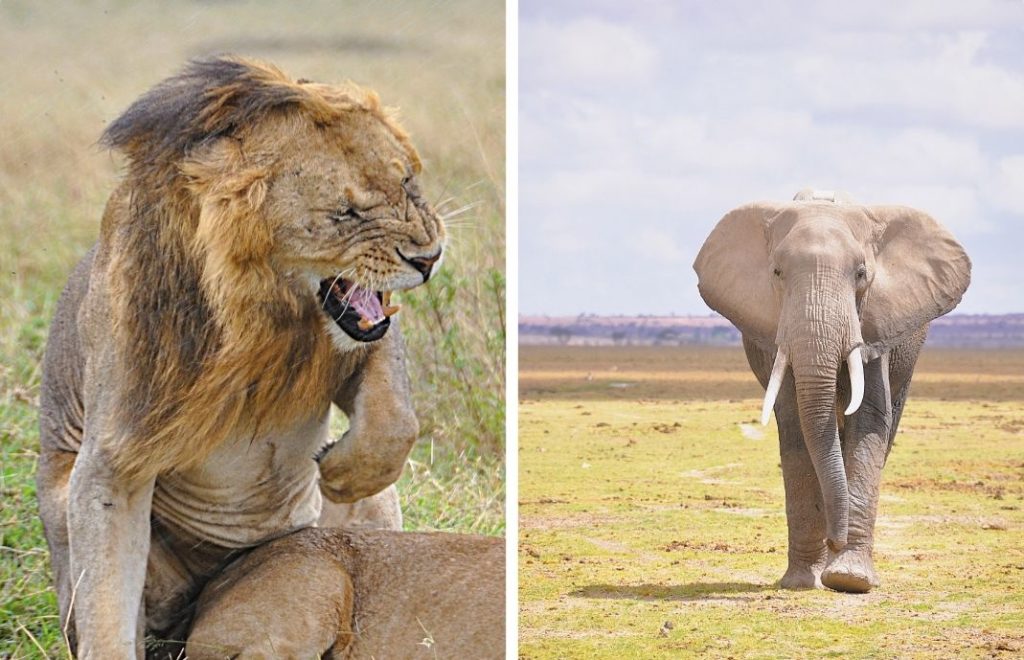
When you hear the word safari, chances are you’re picturing Kenya. It’s the land that first defined the very idea of an African adventure – sweeping savannas, golden grasslands, and acacia silhouettes against an endless horizon. There’s a cinematic rhythm to Kenya, a sense that every dawn brings another story waiting to unfold.
The country’s crown jewel is, of course, the Maasai Mara National Reserve, where the Big Five roam freely and the Great Migration thunders through from July to October. Watching thousands of wildebeest and zebra surge across the Mara River – pursued by crocodiles and lions – is one of nature’s most unforgettable spectacles.
Beyond the Mara, Kenya offers an extraordinary diversity of experiences. The Amboseli National Park sits beneath the snow-capped majesty of Mount Kilimanjaro, offering postcard-perfect views of elephants against Africa’s most famous peak. Samburu, in the country’s arid north, reveals a wilder, more remote side – home to rare species like the reticulated giraffe and Grevy’s zebra. And for those seeking contrast, the Laikipia Plateau and Tsavo National Park deliver rugged beauty and tranquil exclusivity.
Kenya is also a place where culture and wilderness intertwine. The Maasai people, with their crimson shúkàs and age-old traditions, remain the spiritual guardians of the land. Visiting a Maasai village or walking with a local guide adds depth and humanity to the landscape – a reminder that safari is as much about people as it is about wildlife.
With world-class lodges, excellent infrastructure, and easy connections from Nairobi, Kenya strikes the perfect balance between accessibility and adventure. It’s a safari that feels both timeless and alive – a country where Africa’s wild heart beats loud and clear.
Here you’ll find more inspiration to visit Kenya
Tanzania – The soul of the wild
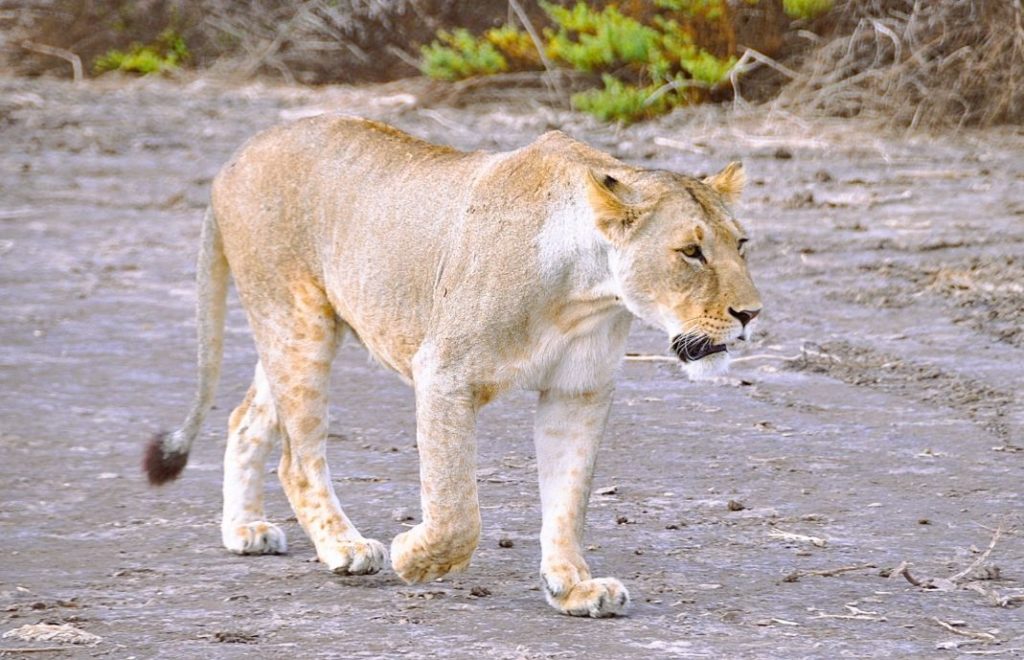
If Kenya is the heartbeat of the classic safari, then Tanzania is its soul – vast, untamed, and profoundly moving. This is a land where wilderness stretches beyond imagination, where the horizon itself seems to breathe. In Tanzania, time slows, and nature commands all attention.
At its heart lies the legendary Serengeti National Park, a name that conjures instant reverence among travelers and conservationists alike. The word Serengeti comes from the Maasai language, meaning endless plains, and it is here that the Great Migration reaches its grandest stage. From December to July, over two million wildebeest and zebra roam the open grasslands, followed closely by predators in a timeless dance of survival. To witness this in Tanzania is to see nature in its purest form – raw, rhythmic, and infinite.
Then there’s the Ngorongoro Crater, a natural amphitheater carved by an ancient volcano, often called the Eighth Wonder of the World. Its fertile floor supports an astonishing density of wildlife – lions, elephants, rhinos, flamingos – all gathered in one breathtaking, bowl-shaped ecosystem. Nearby, Lake Manyara and Tarangire National Park offer contrasting landscapes, from tree-climbing lions to herds of elephants moving through baobab forests.
But Tanzania’s magic extends beyond the savanna. The snow-capped Mount Kilimanjaro, Africa’s highest peak, rises dramatically above the plains – a siren call to adventurers. And off the coast lies Zanzibar, where spice-scented breezes and turquoise seas offer a serene conclusion to days spent in the wild.
While Kenya feels accessible and energetic, Tanzania is epic and elemental. Safaris here are slower, more contemplative – less about ticking off sightings and more about absorbing the rhythm of the land. Lodges tend to be fewer and more remote, the journeys longer, the silence deeper. For many, that’s precisely the point.
Tanzania isn’t just a place to see animals – it’s a place to feel the Earth breathe.
Kenya vs. Tanzania – Which safari destination is right for you?
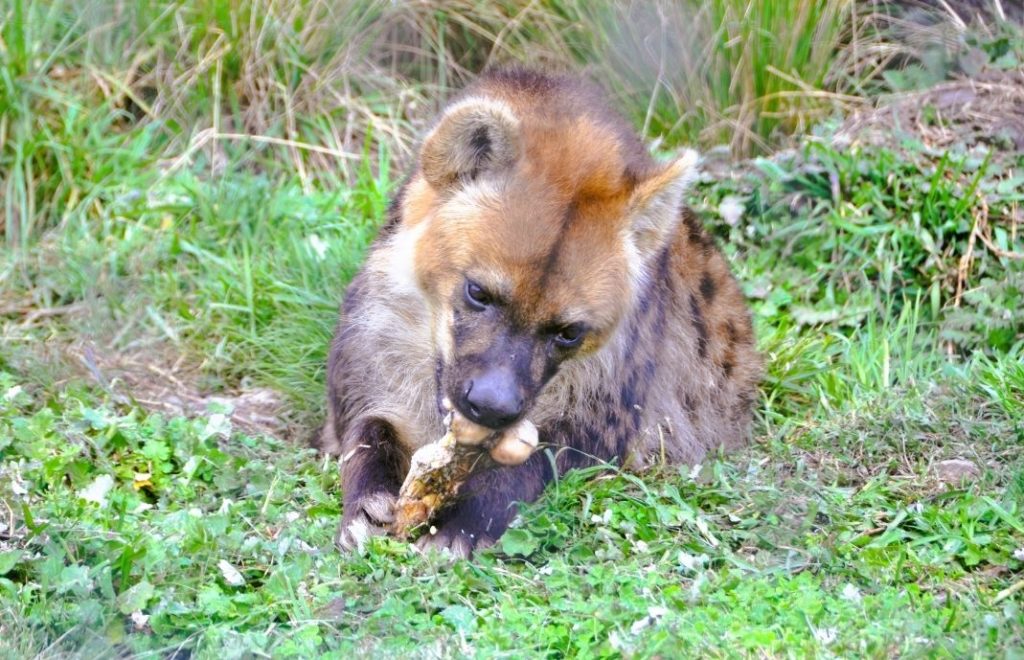
Both Kenya and Tanzania promise unforgettable encounters with Africa’s wild heart, yet each offers a distinct flavor of adventure. Your choice ultimately depends on what kind of traveler you are – and what kind of story you wish to bring home.
Wildlife and the Great Migration
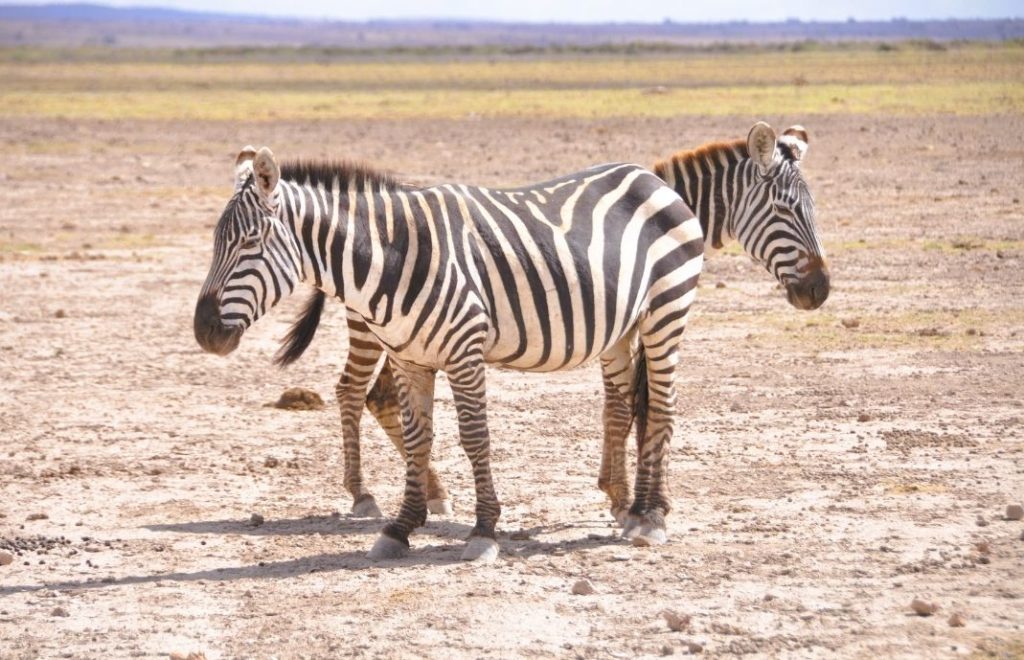
Both countries share the spectacle of the Great Migration, as millions of wildebeest and zebra move in a vast circular journey between the Serengeti (Tanzania) and the Maasai Mara (Kenya).
Kenya offers the most accessible viewing of the migration, especially between July and October, when river crossings in the Mara are at their most dramatic.
Tanzania, on the other hand, provides a longer season and more varied stages – from the calving season in the southern Serengeti (January to March) to the herds’ northward trek in June and July.
If you want heart-pounding action, Kenya’s Mara is unmatched. For witnessing the grand, unhurried rhythm of nature, Tanzania reigns supreme.
Landscapes and atmosphere
Kenya capture the essence of the classic safari postcard – open plains, lone acacias, and sunsets that seem painted for the camera. Its diversity is astounding from the Rift Valley lakes to the red-dusted landscapes of Tsavo and the elephant herds beneath Mount Kilimanjaro.
Tanzania feels larger, wilder, and more elemental. The Serengeti’s vastness, the surreal Ngorongoro Crater, and the mystical presence of Kilimanjaro create a sense of timeless grandeur – nature on a monumental scale.
Kenya feels lively and cinematic, Tanzania, spiritual and immersive.
Lodges and accessibility
Kenya has a longer history of tourism and boasts excellent infrastructure. Nairobi is a major hub, and even remote reserves are well-connected by air and road. There’s a broad range of lodges – from budget-friendly camps to ultra-luxury retreats – making Kenya ideal for first-time safari-goers.
Tanzania’s lodges tend to be more remote and exclusive, with fewer crowds and a greater sense of seclusion. The distances between parks are longer, but the reward is a deeper, more intimate connection with the wild.
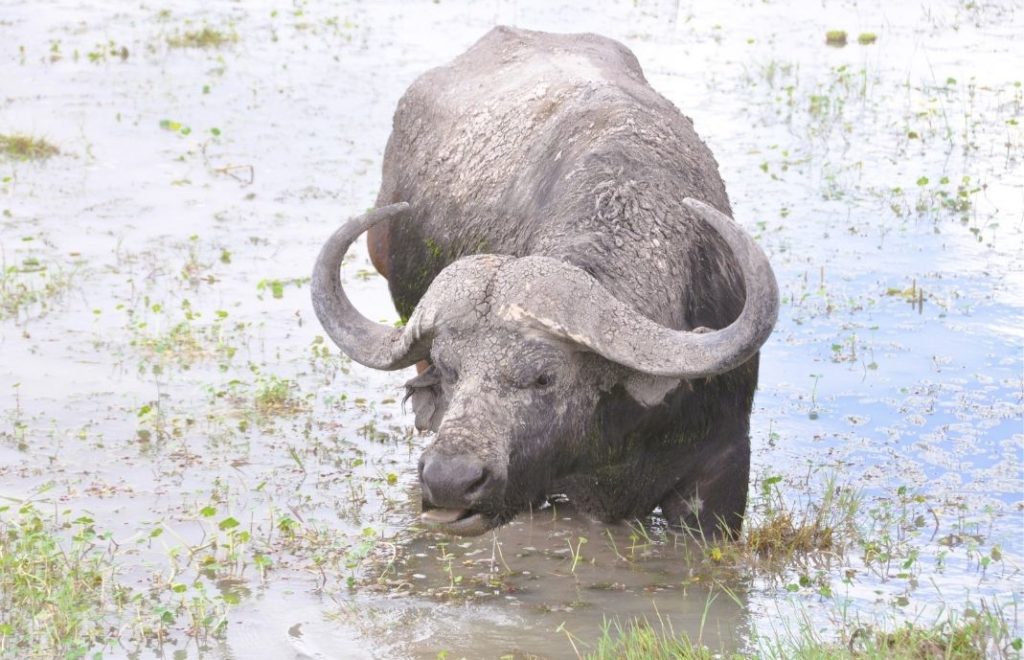
Culture and connection
Kenya’s Maasai culture is world-renowned and easily accessible to visitors. Walking safaris and village visits add a layer of authenticity and human connection.
Tanzania offers equally rich cultural experiences, from the Hadzabe hunter-gatherers near Lake Eyasi to the Swahili influences of Zanzibar – but these encounters often feel less curated and more organic.
In a word
Kenya: Vibrant, accessible, iconic.
Tanzania: Vast, soulful, untamed.
In truth, there’s no wrong choice – only the adventure that best fits your spirit. Kenya gives you the classic safari dream: fast, thrilling, cinematic. Tanzania offers something deeper: a slower, more contemplative communion with the wild.
Both, in their own ways, remind us why Africa will always be the place where the world still feels wonderfully alive.
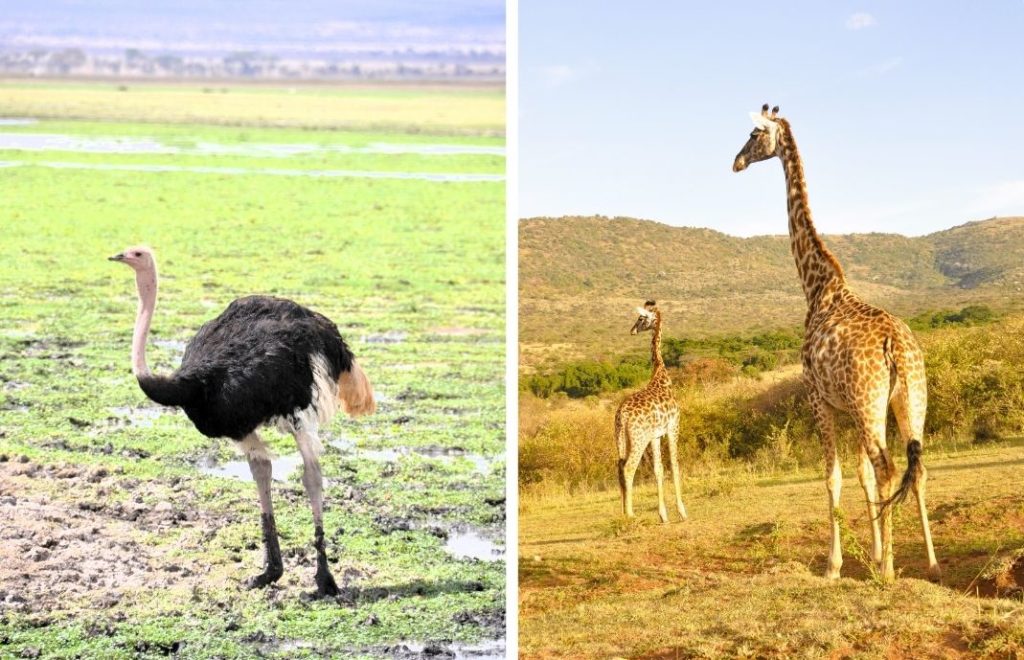
Two paths into the wild heart of Africa
In the end, choosing between Kenya and Tanzania is less about comparison and more about connection. Both countries offer front-row seats to the greatest show on earth – a world where lions rule the grasslands, elephants carve paths through the dust, and the air itself hums with ancient life.
Kenya captures the imagination – bold, energetic, and effortlessly iconic. It’s where the spirit of safari was born, where each sunrise feels cinematic and every horizon tells a story.
Tanzania, by contrast, touches something deeper – vast, elemental, and humbling. It’s the Africa of dreams and silence, where you feel not like an observer, but a participant in the eternal rhythm of the wild.
Whichever you choose, both promise something rare: a journey that doesn’t just show you nature but restores your place within it. Because on these endless plains – beneath the golden light, the cry of distant birds, and the whisper of the wind – you discover that the truest safari is not about where you go, but how deeply you feel it.
