
Poland’s history is a complex and compelling tapestry – woven with tales of empire and occupation, resistance and rebirth, and an unwavering fight for freedom. It’s a nation that has experienced seismic change, and its museums reflect that with depth, honesty, and diversity.
From World War II and the Solidarity movement, to the story of emigration, art, and even neon signs, Poland is a treasure trove for curious minds and culture lovers alike.
While no single museum can tell the whole story, each one offers a window into a different chapter – its triumphs, tragedies, and cultural wonders.
Here’s a curated list of museums in Poland you won’t want to miss – whether you’re drawn to powerful history, quirky collections, or simply a deeper understanding of this fascinating country.
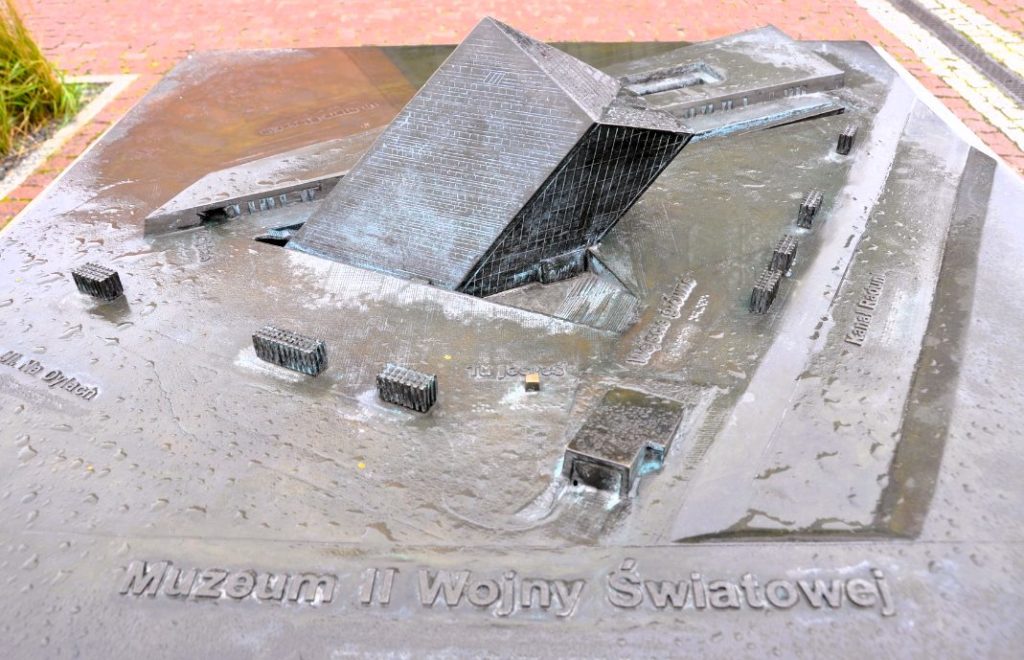
Museum of the Second World War – A monument to memory
Located in the historic port city of Gdańsk, the Museum of the Second World War is one of the most powerful and comprehensive museums of its kind anywhere in the world. Since its opening in 2017, it has quickly gained a reputation for being monumental, thought-provoking, and deeply educational.
The museum tells the story of the largest conflict in human history, taking visitors on a journey through the origins, events, and aftermath of WWII – from the rise of fascism to the horrors of the Holocaust and the devastation of Hiroshima and Nagasaki.
What to expect:
- Main Exhibition: Spread across 5,000 square meters, the core exhibition is located 14 meters underground and features over 2,000 original artifacts and 250 multimedia stations.
- Comprehensive Themes: Learn about the outbreak of war, the Polish resistance, the Eastern Front, the war in Asia, and the unimaginable cost to both soldiers and civilians.
- Life Under Occupation: A dedicated section focuses on civilian life during wartime, shedding light on daily struggles, survival, and silent acts of heroism.
- Time Travel Exhibit: Specially designed for younger visitors, this child-friendly exhibit offers an interactive and age-appropriate way to understand the war’s impact.
- The museum doesn’t just present history—it immerses you in it, helping you grasp the global scope of WWII while honoring the individual lives affected.
Whether you’re a history enthusiast or a casual traveler, the Museum of the Second World War is a must-visit. It is a place of remembrance, reflection, and relevance – ensuring that the lessons of the past are never forgotten.
Location: Gdansk
More inspiration: A guide to the Museum of the Second World War
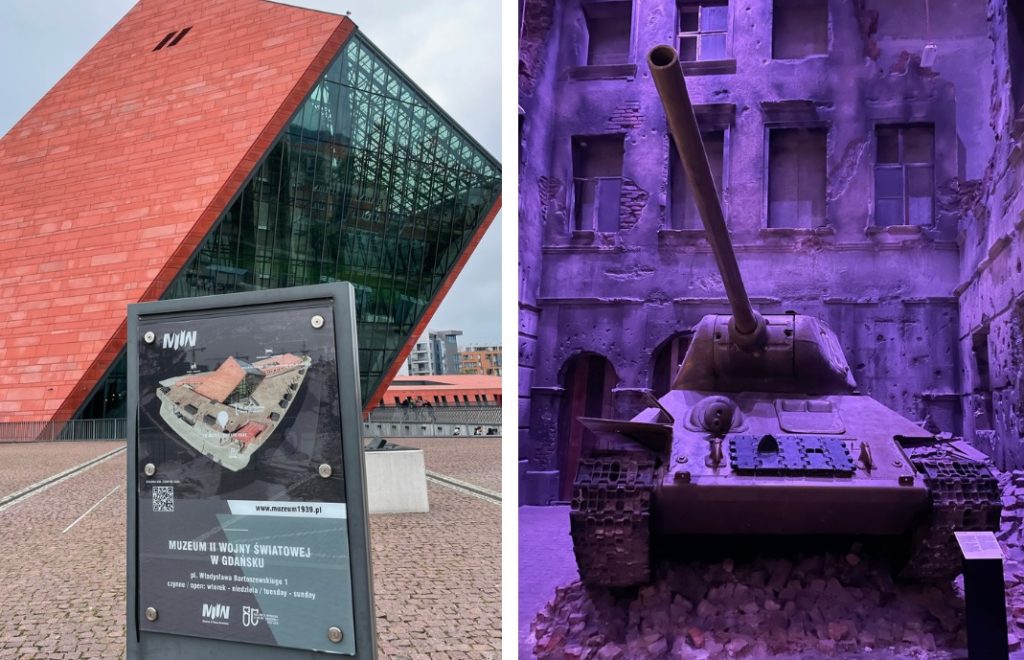
European Solidarity Center – where freedom Wwas forged
In the heart of Gdańsk, on the historic grounds of the former Lenin Shipyard, stands the European Solidarity Center – a powerful tribute to the Solidarity movement and Poland’s peaceful struggle for freedom.
Housed in a striking rust-colored structure shaped like a ship’s hull, the center is more than a museum – it’s a living monument to democracy, resilience, and human rights.
This is the very place where the Solidarity trade union was born, sparking a peaceful revolution that would ultimately contribute to the fall of communism in Eastern Europe.
What you’ll experience:
- 3,000 square meters of deeply engaging exhibitions.
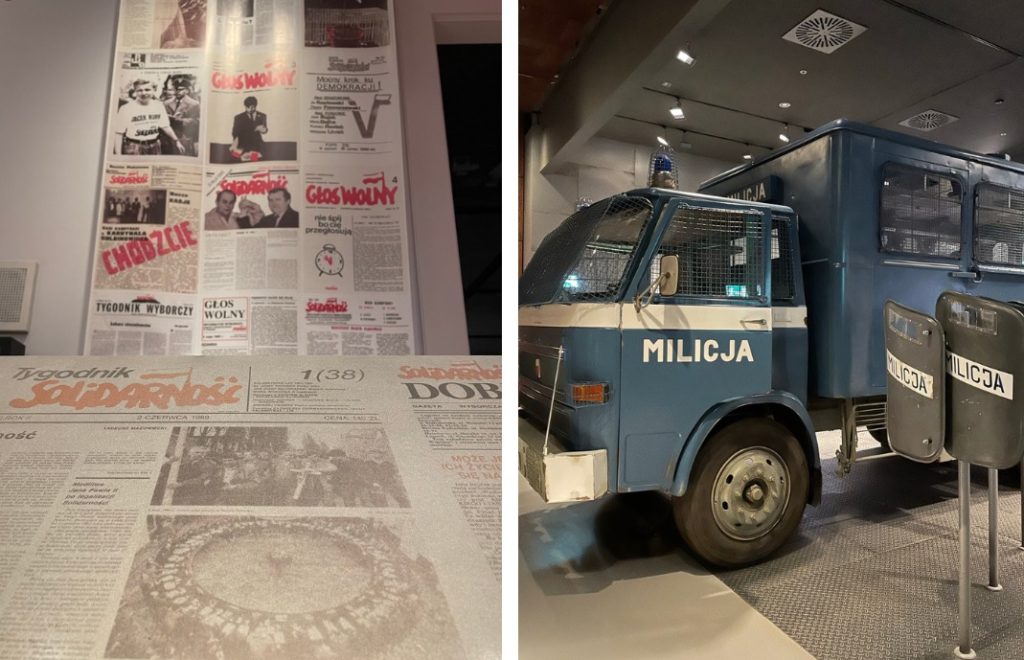
- Historic documents, photos, videos, manuscripts, and even underground newspapers that circulated despite censorship.
- Personal items from Solidarity members that give a human face to a political movement.
- An inspiring timeline that chronicles Poland’s road from totalitarianism to democracy.
- A space that also acts as a forum for education, dialogue, and civic engagement.
Whether you’re passionate about political history or simply intrigued by Poland’s journey, the European Solidarity Center is a moving and insightful experience. It leaves you with renewed appreciation for freedom hard-won and courage hard-kept.
Location: Gdansk
More inspiration: A quick guide to the European Solidarity Center
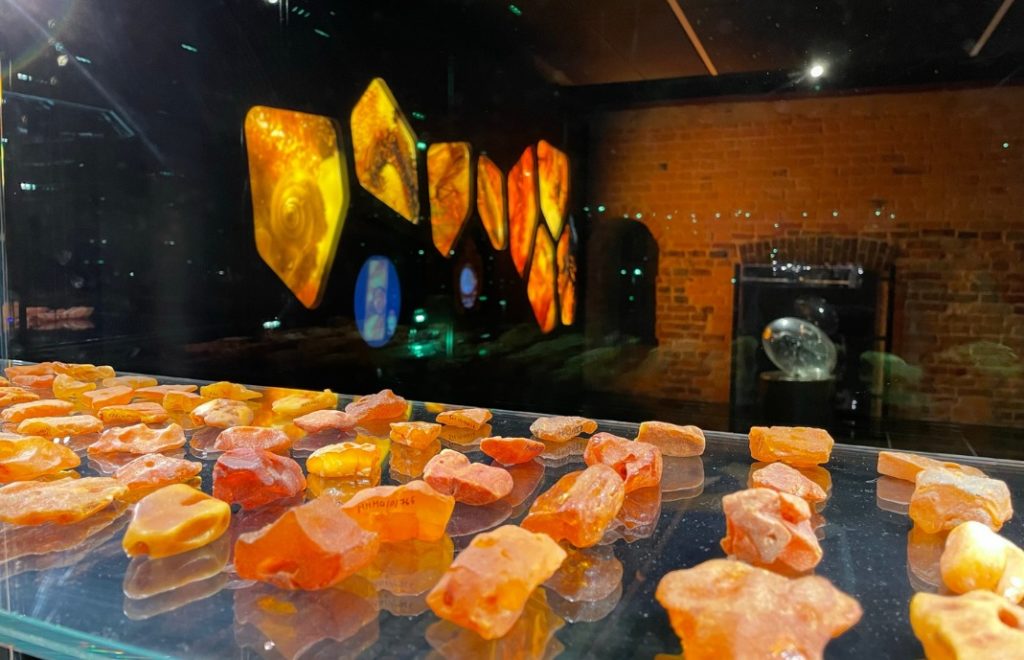
Museum of Amber – the golden heart of Gdańsk
In Gdańsk – the world’s undisputed amber capital – you’ll find a gem of a museum that brings this ancient treasure to life: the Museum of Amber, beautifully housed in the atmospheric Grand Mill, a Gothic marvel in the heart of the city.
Step inside and enter a world where Baltic gold isn’t just admired, but celebrated as art, history, and nature fused into one.
What to expect:
- A modern, moody museum experience with interactive multimedia exhibits.
- Fascinating displays of amber pieces with trapped insects and prehistoric plants, revealing secrets frozen in time.
- Artistic masterpieces: amber-carved guitars, jewelry, and decorative works that blur the line between nature and craftsmanship.
- Stories of amber’s role in trade, mythology, and medicine throughout the centuries.
The museum shop offers some of the finest amber products in Europe – perfect for a unique souvenir or an elegant gift.
Whether you’re a curious traveler or a history buff, the Museum of Amber is an unexpected delight – where science, art, and mystery intertwine under the warm glow of fossilized sunshine.
Location: Gdansk
DeJa Vu Museum – a kaleidoscope of illusion
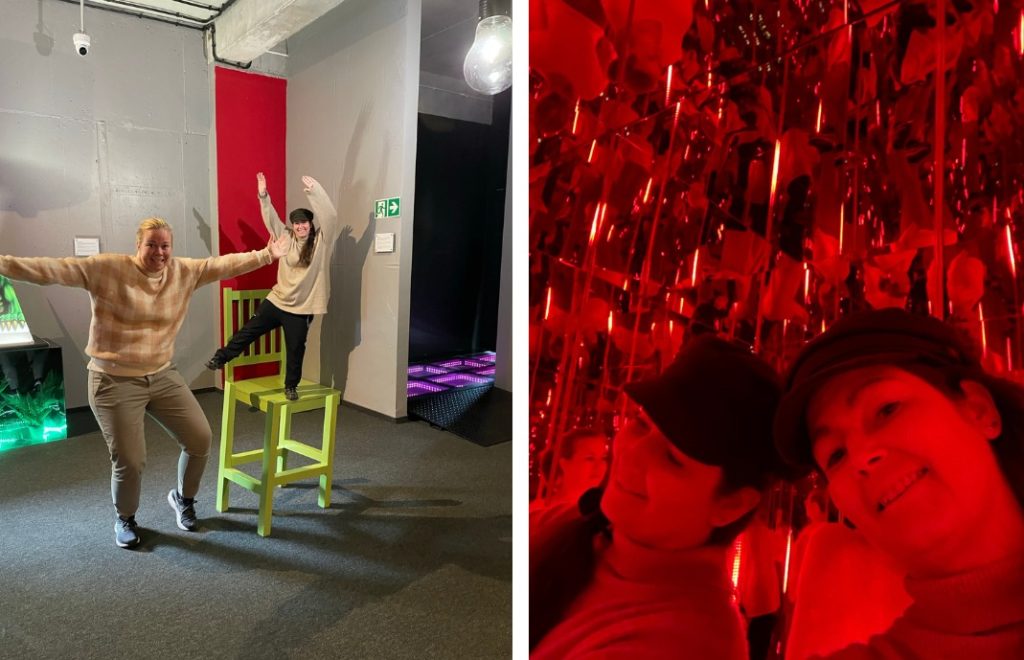
Step into a world where nothing is quite as it seems – and prepare to be amazed. The DeJa Vu Museum in Gdańsk invites you on an exhilarating journey through optical illusions, digital artistry, and vibrant visual trickery that delights visitors of all ages.
Opened in 2021, this compact yet endlessly entertaining museum is a treasure trove of playful confusion. As you wander through its colorful halls, you’ll be fooled, baffled, and delighted – again and again. Expect to question your senses at least a hundred times as your brain is gleefully misled by shifting perspectives, impossible shapes, and gravity-defying displays.
Interactive and immersive, the museum goes far beyond simple illusion. Peer through peepholes to uncover hidden videos and images, listen to whispering walls, and explore tunnels that twist your sense of direction.
It’s as much an educational experience as it is pure fun, offering insights into how we perceive the world – and how easily that perception can be deceived.
Whether you’re a curious child, an art-loving adult, or just someone in need of a good laugh and a few “how-is-this-possible?” moments, DeJa Vu Museum is the perfect place to indulge your imagination.
This museum is a must-visit for travelers seeking a dose of wonder, whimsy, and wildly good fun.
Location: Gdansk
Warsaw Rising Museum – step into the heart of a city’s struggle
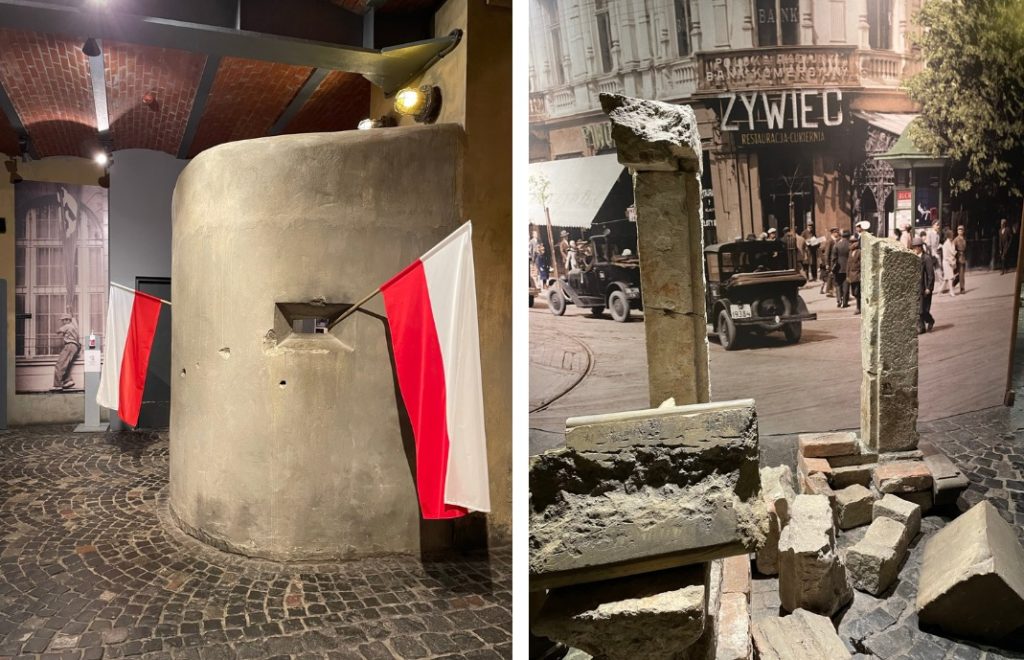
Inaugurated in 2004, the Warsaw Rising Museum is more than just a historical archive – it’s an immersive tribute to the courage, defiance, and sacrifice of those who took part in the 1944 Warsaw Uprising.
Located in Poland’s capital, this powerful museum invites you to experience the uprising, rather than simply read about it.
From the very first step inside, visitors are drawn into the atmosphere of wartime Warsaw. Lift vintage telephone receivers to hear gripping personal stories from those who lived through the resistance. Peer through wall openings to watch archival footage, and even crawl through shadowy tunnels that simulate the hidden routes used by insurgents.
Through photographs, handwritten letters, flags, and personal artifacts, the museum paints an intimate and vivid picture of the uprising. Not only the battle itself but the immense suffering and destruction that followed. It powerfully conveys the human cost, especially for the city’s civilians, during and after the rebellion’s brutal suppression.
Be sure not to miss the short film chronicling the events of the uprising, as well as the stunning 3D film City of Ruins. From a haunting aerial perspective, it shows the war-torn remnants of Warsaw – a city nearly reduced to rubble, yet unbroken in spirit.
Whether you’re a history enthusiast or a curious traveler, the Warsaw Rising Museum is an unforgettable experience. One that brings you face-to-face with the resilience of a city and the indomitable will of its people.
Location: Warsaw
More inspiration: Warsaw Rising Museum
Life Under Communism Museum – a journey into everyday life behind the Iron Curtain
Step through the doors of Warsaw’s Life Under Communism Museum and be transported to a different era. One defined by ration cards, rotary phones, and a tightly controlled Soviet regime.
Though modest in size, this museum offers a richly detailed glimpse into the daily life of ordinary Poles during the communist years.
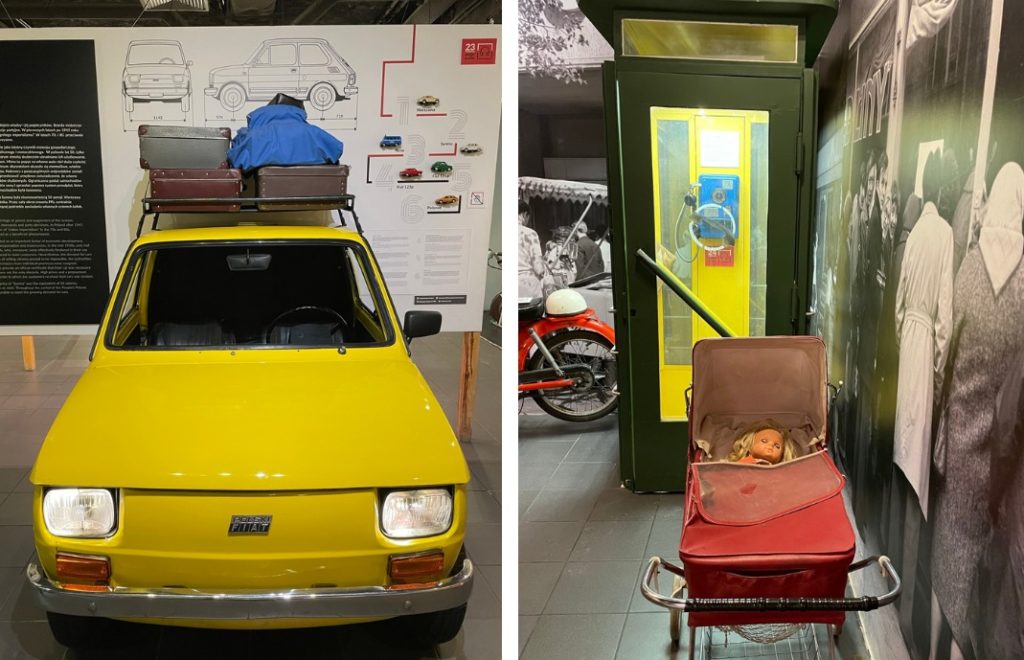
Every corner of the exhibit is a carefully curated time capsule. You’ll find shelves stocked with period food packaging, rows of household products, and fully reconstructed spaces – including a vintage bedroom, a local shop, a classic café, and even a public phone booth. Each scene offers a fascinating look at how people lived, worked, and made do under state control.
One of the museum’s standout features is the iconic little yellow car – a compact symbol of Polish resilience. It’s almost hard to believe that entire families, luggage and all, would squeeze into this tiny vehicle for weekend getaways and road trips.
Far from being a dry historical exhibit, Life Under Communism Museum tells a very human story – one of ingenuity, adaptation, and daily life under a regime that shaped a generation.
Tucked away in Warsaw, this museum is a hidden gem for travelers eager to understand Poland’s complex past – and to witness, firsthand, what life was really like behind the Iron Curtain.
Location: Warsaw
Polish Vodka Museum – a spirited journey through Poland’s liquid heritage
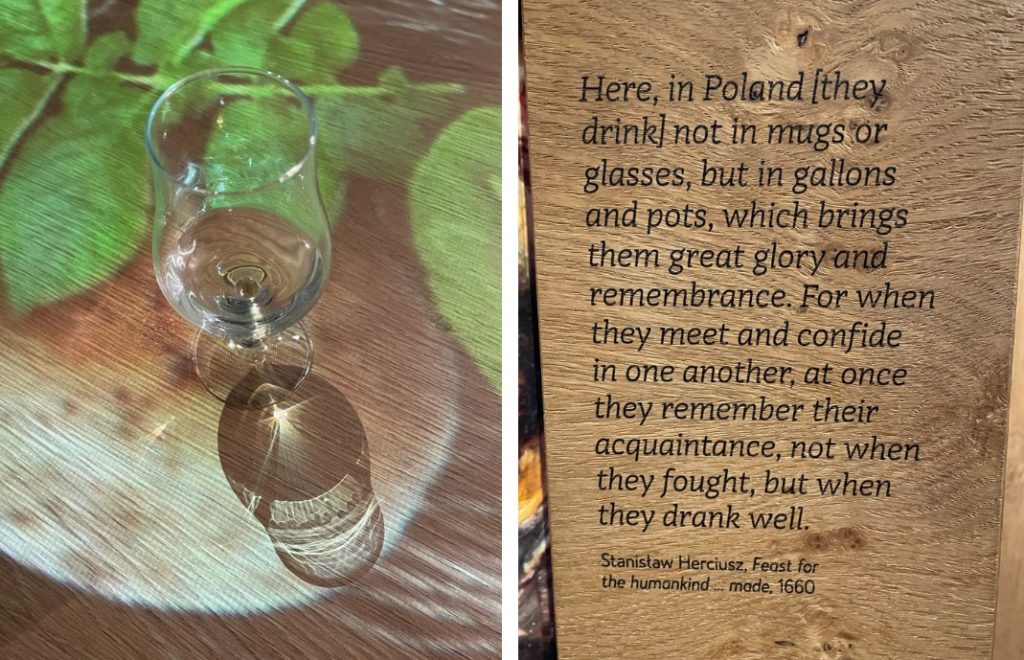
Did you know that Poland is considered the birthplace of vodka? Historical records show that the word “vodka” was first officially documented right here – making this iconic spirit as Polish as pierogi and Chopin.
Nestled in Warsaw’s atmospheric Praga district, the Polish Vodka Museum is a sleek, modern tribute to the country’s centuries-old relationship with this beloved drink. Far more than just a collection of bottles, the museum offers an engaging, interactive experience that takes you deep into the story of aqua vitae – the original name for vodka, meaning “the water of life.”
Visitors are guided through the origins, evolution, and cultural impact of Polish vodka, from ancient alchemy to refined distillation techniques. You’ll explore the full production process and discover how vodka became an essential part of Polish tradition – woven into rituals, celebrations, and everyday life.
The tour concludes, fittingly, with a curated vodka tasting. You’ll sample four distinct varieties, learning how to nose, sip, and appreciate the nuances of flavor that distinguish true Polish vodka from the rest.
Whether you’re a spirits enthusiast or simply curious about Poland’s national drink, the Polish Vodka Museum offers an unforgettable dive into one of the country’s proudest exports. Here, history is told not just through words, but through every smooth, crystalline drop.
Location: Warsaw
More inspiration: The history of Polish Vodka
Neon Museum – where forgotten lights illuminate Poland’s past
Looking to brighten up your day – literally? Step into one of Europe’s most unique cultural treasures: the Neon Museum, tucked inside Warsaw’s creative Soho Factory complex.
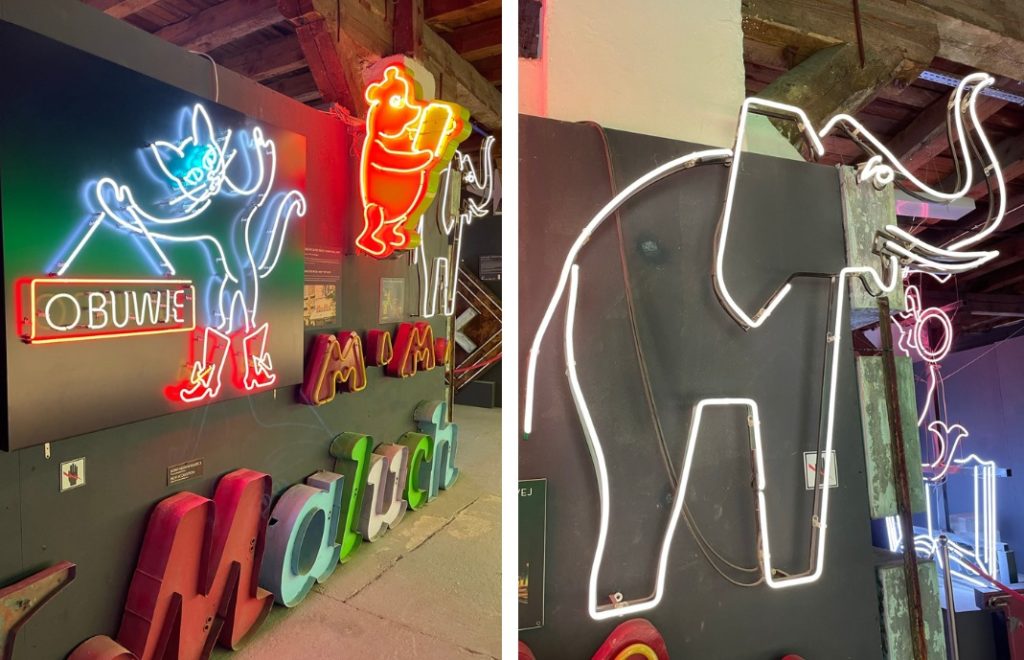
It may be modest in size, but this former factory space houses a glowing collection of over 200 neon signs, iconic inscriptions, and captivating stories from Poland’s not-so-distant past.
As the only museum of its kind in Europe, it offers a rare glimpse into the artistic and ideological glow that once lit up Poland’s urban landscape during the communist era. While some signs are weathered with age, their charm lies not in polished perfection, but in the stories they carry – tales of a time when neon was used to inject color and optimism into grey socialist cityscapes.
Each flickering letter, curved tube, and retro font tells a story – of design, propaganda, commerce, and the attempt to modernize a nation under the weight of Soviet influence.
These signs once illuminated cinemas, shops, restaurants, and public buildings. Today, they illuminate memory, culture, and the enduring beauty of light in the darkness.
More than a museum, it’s a nostalgic glow through history – and a bold reminder of how even the most ephemeral forms of art can become cultural icons.
Neon Museum is a must-see for design lovers, photographers, history buffs – and anyone curious about the surprising ways in which light can reflect a nation’s soul.
Location: Warsaw
Emigration Museum – tracing Poland’s journey beyond its borders
Poland holds one of the largest emigration stories in the world – with an estimated 20 million people having left the country over the centuries in search of safety, freedom, and opportunity.
Opened in 2015, the Emigration Museum in Gdynia offers a moving, richly detailed exploration of this sweeping diaspora.
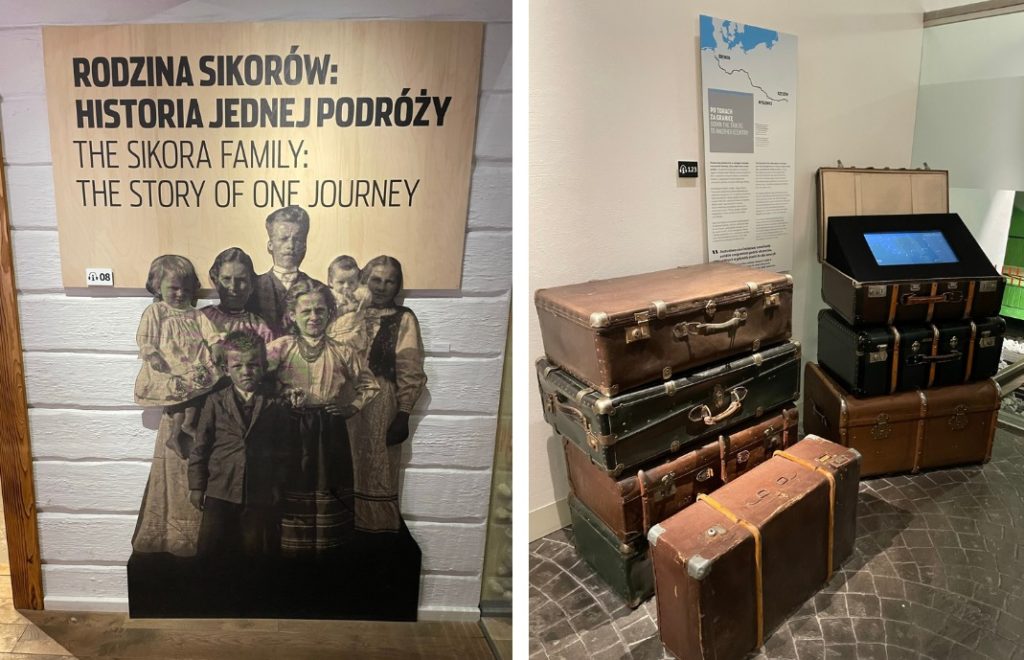
Housed in a striking historical building on French Quay, right at the port where countless Poles once said their last goodbyes, the museum stands as a symbolic gateway – the very edge of the homeland – from which dreams set sail.
Originally built in the 1930s, the structure is a beautiful example of postwar Gdańsk architecture and now serves as a powerful tribute to the millions who departed from this shore.
Inside, visitors embark on a deeply personal and immersive journey through Poland’s migration history – spanning political upheavals, economic struggles, wars, and the enduring hope for a better life. Exhibits unfold through letters, documents, photographs, and treasured personal items – each telling the story of someone who once made the choice to leave everything behind.
You’ll walk through moments of joy and sorrow, witness tales of departure and arrival, and discover how Polish culture took root in distant lands while still holding tight to its origins. These artifacts are more than relics – they are whispers from the past, carrying the weight of memory, resilience, and belonging.
Whether you have Polish roots or are simply fascinated by the human stories that shape nations, the Emigration Museum offers an unforgettable, emotional, and beautifully curated experience.
Location: Gdynia
1956 Uprising Museum – echoes of rebellion beneath Poznań
On June 28th, 1956, the communist world trembled. In a defiant act that would shake the foundations of the regime, workers from the Cegielski locomotive factory in Poznań refused to report for duty. Instead, they poured into the streets, carrying signs that read “Bread and Freedom.”
What began as a labor protest quickly swelled into a mass uprising – and before long, the first shots rang out.
The rebellion was brutally suppressed, but it left an indelible mark on Poland’s path toward freedom.
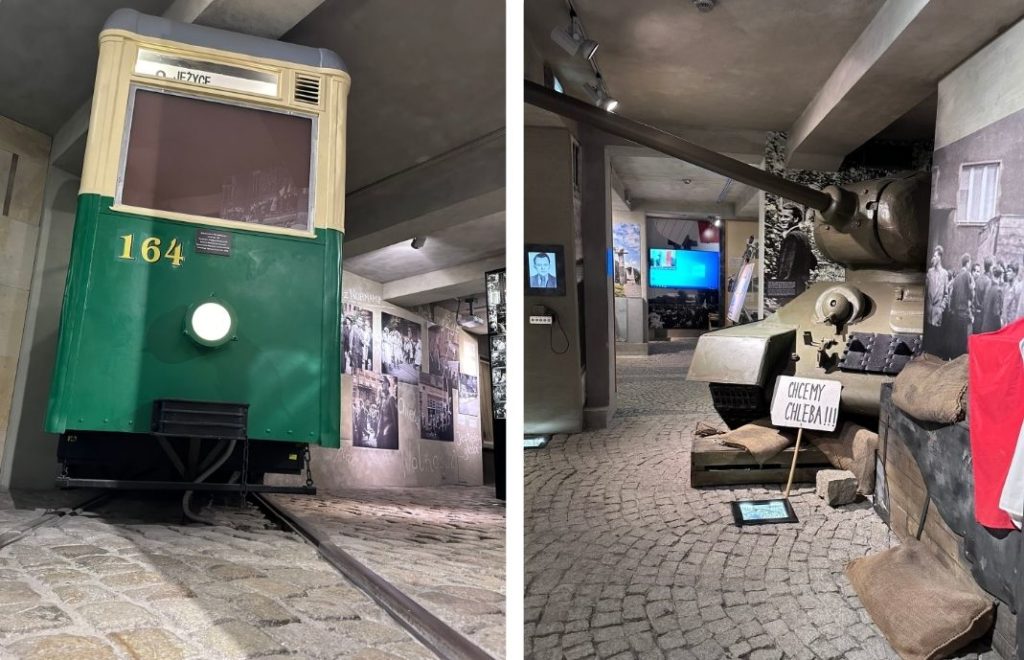
Today, the 1956 Uprising Museum in Poznań brings those pivotal events to life with powerful immediacy. Tucked beneath the city’s Imperial Castle, the museum invites visitors to begin their journey seated on a bench inside a vintage tram – watching black-and-white footage from the very day the uprising began. It’s an immersive experience that places you right in the heart of the unfolding drama.
As you move through the museum, stories of courage, loss, and resistance are told through a compelling mix of artifacts and interactive installations. One unforgettable feature? Sound recordings of eyewitness testimonies that emerge from the cobblestones themselves – gently lift one to your ear and listen as history speaks directly to you.
The exhibition includes tanks, stretchers used to carry the wounded and dead, weapons, socialist propaganda posters, and even a fully reconstructed Polish apartment from the 1950s – a glimpse into everyday life during the height of state control.
This museum doesn’t just document a moment in time; it invites reflection on the cost of freedom and the strength of a city that stood up when it mattered most.
Location: Poznań
Schindler’s Factory – a haunting journey through Ooccupied Kraków
The story of Oskar Schindler and the lives he saved during World War II is known across the globe – immortalized in Steven Spielberg’s Schindler’s List, filmed almost entirely in Kraków. But at the heart of that story lies a place both ordinary and extraordinary: Schindler’s Factory.
Opened in 2010, this powerful museum goes far beyond Schindler himself. It offers a deeply immersive experience into life in Kraków under Nazi occupation from 1939 to 1945 – a time of fear, resistance, and unimaginable loss.
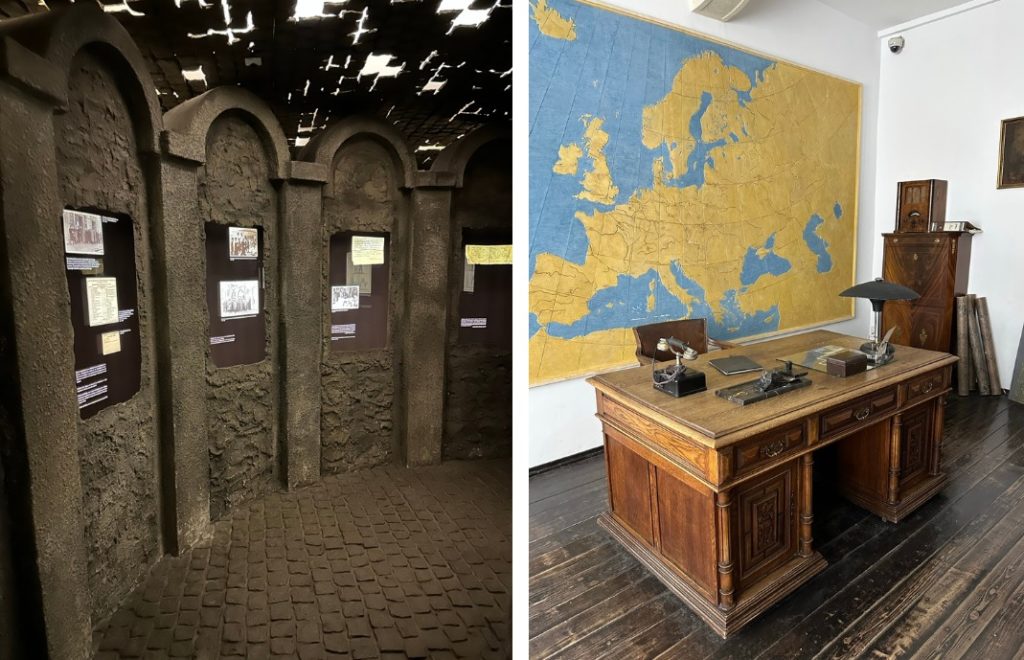
Step inside and find yourself transported back in time. Through evocative photographs, original documents, radio broadcasts, personal testimonies, films, and immersive multimedia installations, visitors come face to face with the harsh realities of war.
You’ll walk cobbled streets recreated within the museum, pass through rooms echoing with whispers of history, and uncover the stories of both the Jewish community and the Polish resistance – much of which operated in secret, beneath the city’s surface.
This is not just the story of Schindler, but of an entire city caught in the grip of occupation. The museum brings to light the fate of Kraków’s civilian population, the cruelty of the Nazi regime, and the flickers of courage that refused to be extinguished.
Located in the very building where Oskar Schindler employed – and protected – hundreds of Jewish workers, Schindler’s Factory is a place of memory, humanity, and reflection. It is a must-visit for anyone seeking to understand the true cost of war and the enduring power of compassion.
Location: Kraków
More inspiration: Oskar Schindler’s Factory
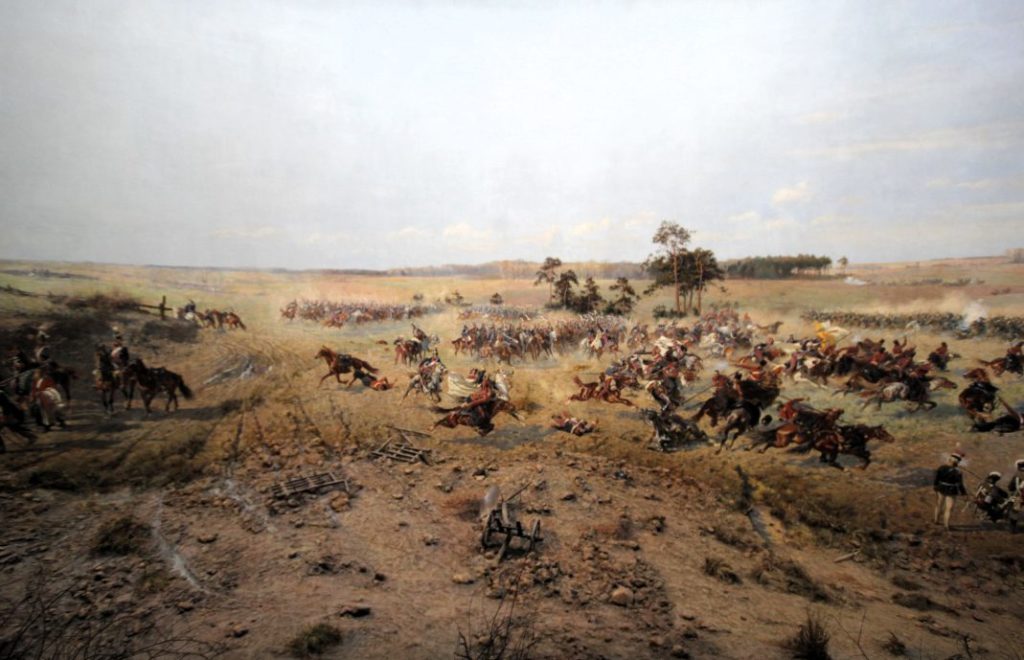
Panorama of the Battle of Racławice – a monumental masterpiece of Polish patriotism
Step into one of Wrocław’s most iconic cultural treasures and be transported straight to the battlefield – not through film or reenactment, but through the astonishing visual drama of the Panorama of the Battle of Racławice.
Housed in a purpose-built rotunda, this monumental 360-degree painting immerses visitors in one of the most celebrated moments in Polish history: the 1794 Battle of Racławice.
Led by national hero Tadeusz Kościuszko, Polish insurgents rose up against Russian forces in a bold stand for independence. Though the battle was won, the uprising was ultimately lost – and just a year later, in 1795, the final partition of Poland erased the nation from the map.
Measuring a staggering 140 meters in length and 15 meters in height, the panorama is more than a painting – it’s an experience. Enhanced by a carefully constructed foreground of bushes, muddy wagon tracks, and lifelike terrain leading right up to the viewing platform, the scene creates a seamless, almost cinematic 3D illusion. It’s as if you’re standing in the midst of the battlefield, surrounded by the thunder of history.
With an audio guide in hand, you’ll be guided around the artwork in a slow, sweeping arc, as each phase of the battle unfolds before your eyes – from the charge of scythe-wielding peasants to Kościuszko himself leading the fight in his iconic uniform.
Originally painted in the late 19th century to celebrate Polish resilience, the panorama was relocated to Wrocław after World War II. Today, it stands as one of the city’s most visited and emotionally resonant attractions – a stirring tribute to the spirit of a nation that refused to surrender its identity.
Location: Wrocław
More inspiration to museums in Poland:
7 must-visit museums in Warsaw
