
Often overlooked in favor of the world-famous Masai Mara, Samburu National Reserve remains one of Kenya’s best-kept safari secrets. While the Mara draws the crowds (and for good reason), Samburu offers something different. A wilder, more intimate, and arguably more rewarding experience, especially for those seeking something beyond the well-trodden path.
If you’re a second-time visitor to Kenya, or a traveler hungry for authentic wildlife encounters away from the crowds, Samburu is the perfect choice.
Though smaller in size compared to Kenya’s major reserves, Samburu punches well above its weight in terms of biodiversity and safari magic. The park is a favorite among seasoned safari-goers, thanks to its low visitor numbers, stunning landscapes, and rare animal sightings.
In fact, CNN Travel named Samburu the second most beautiful place in the world in 2019 – a testament to its raw, untamed allure.
Samburu might not have the fame, but it delivers quiet moments of awe, incredible photographic opportunities, and a chance to feel like you’ve discovered a slice of Africa all your own.
Whether it’s your first time venturing off the beaten path or your fifth safari, Samburu will surprise, inspire, and stay with you long after the dust has settled.

Where is Samburu National Reserve?
Samburu National Reserve is located in northern Kenya, in a remote and rugged region that feels worlds away from the more trafficked southern parks.
The park lies along the southern banks of the Ewaso Ng’iro River, a life-giving artery that slices through the dry, sunbaked landscape. On the opposite side of the river lies Buffalo Springs National Reserve, to which Samburu is directly connected – together forming a vast, shared ecosystem.
This river border not only separates the two parks but also attracts a wide variety of wildlife, especially during the dry season, making it an ideal area for game viewing.
Though off the beaten tourist trail, Samburu’s remote location is part of its charm, offering a truly immersive safari experience in one of Kenya’s most spectacular and untamed landscapes.
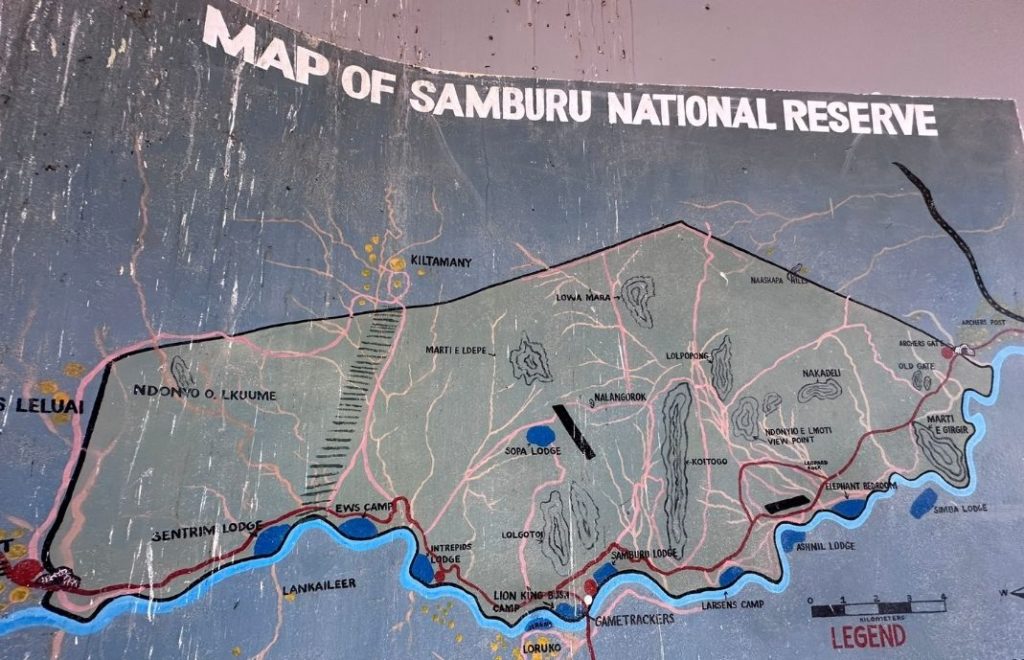
How to get to Samburu National Reserve
Samburu National Reserve lies approximately 310 kilometers north of Nairobi, and getting there can be an adventure in itself.
By road
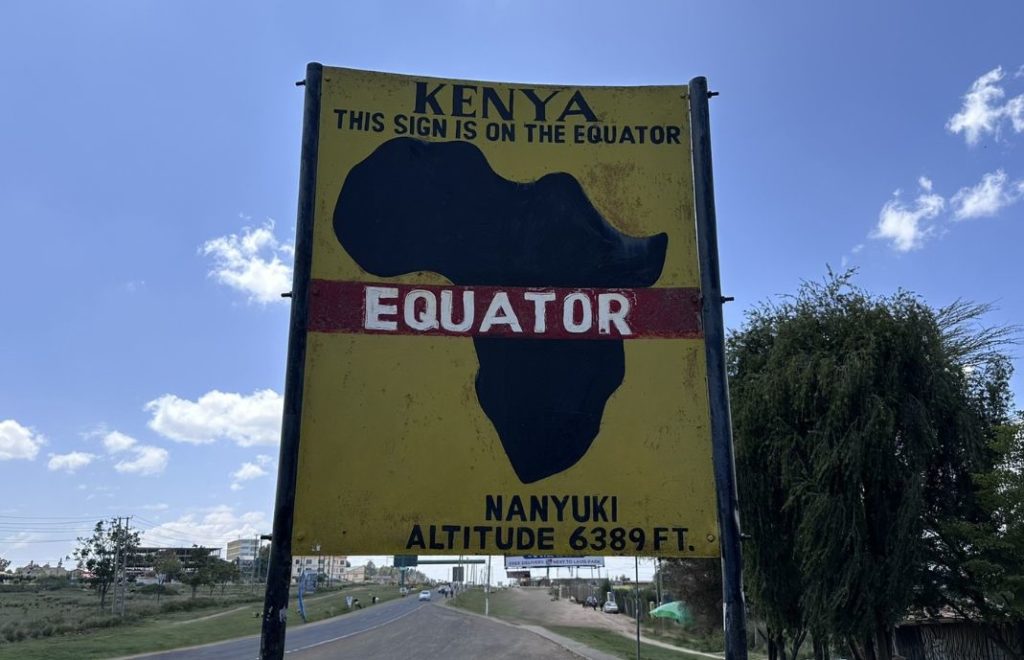
Driving from Nairobi takes about five to six hours, depending on road and traffic conditions. The journey takes you through the scenic Kenyan highlands and gives you the perfect excuse to make a stop at the Equator – where you can snap that iconic photo with one foot in each hemisphere.
By air
If time is of the essence (or you simply prefer a more comfortable option), flying is your best bet.
From Wilson Airport in Nairobi, it’s a 1.5-hour flight to Samburu.
There are three airstrips serving the area:
- Kalama Airstrip
- Buffalo Springs Airstrip
- Samburu Oryx Airstrip
The drive from the airstrip to your lodge will vary depending on your arrival point and where you’re staying, but it’s typically a scenic game drive in itself.
Pro tip: Luggage allowance on these domestic flights is usually limited to 15 kg (combined checked and carry-on) in soft-sided bags – so pack light and smart.
Which animals can you spot in Samburu National Reserve?
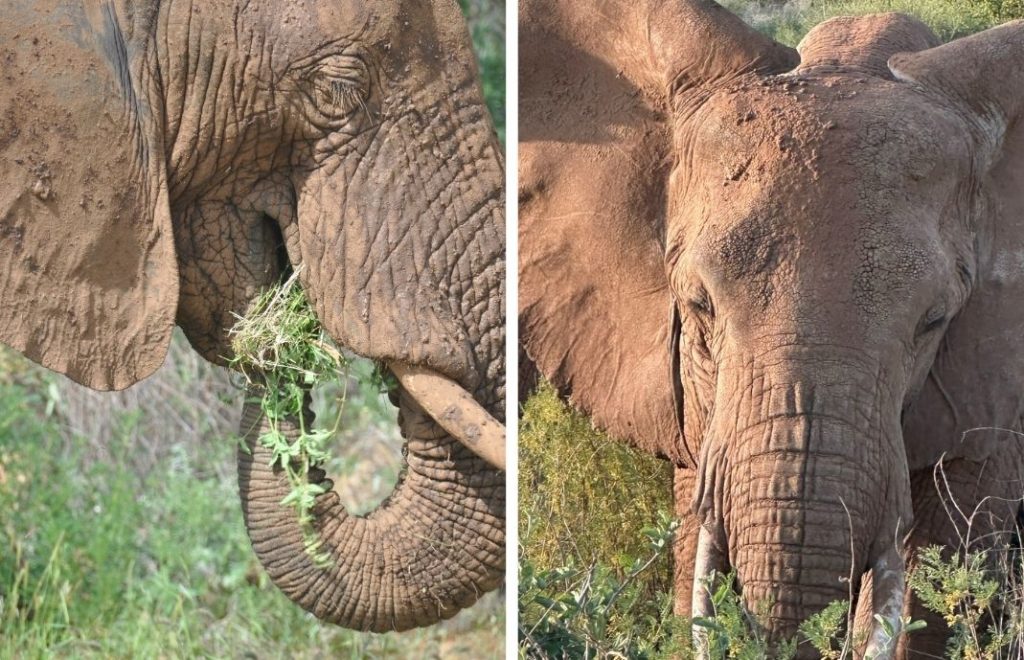
Samburu is home to four of Africa’s iconic Big Five: elephant, lion, leopard, and buffalo. Only the elusive rhinoceros is absent from this otherwise majestic lineup.
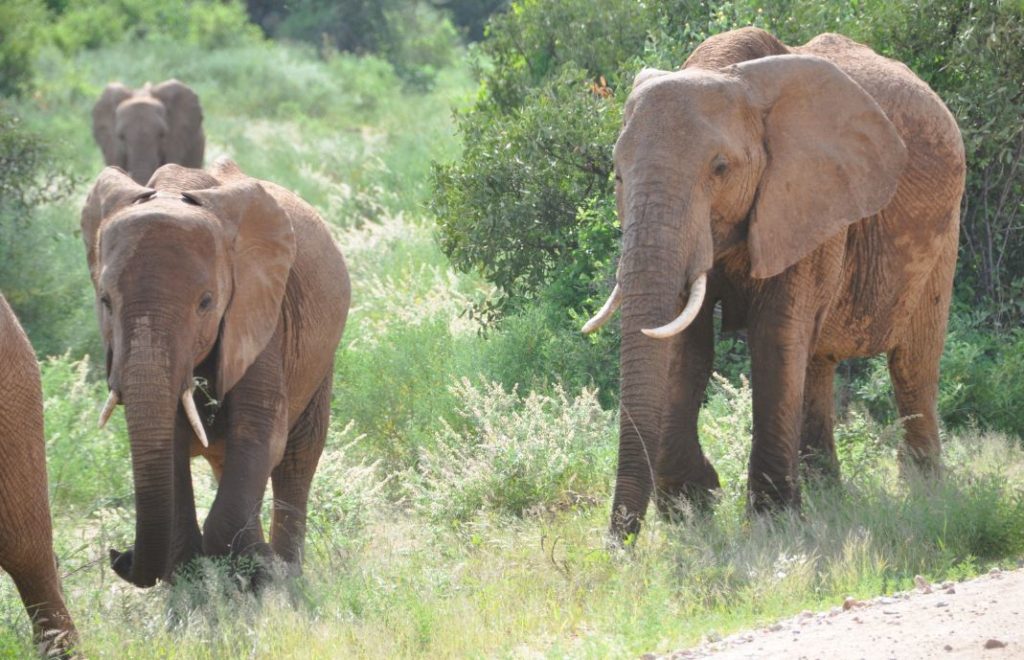
That said, Samburu is nothing short of paradise for elephant enthusiasts. Towering herds of these gentle giants roam the landscape, and encountering them in great numbers is far from rare.
Other wildlife that graces the park includes graceful giraffes, stealthy cheetahs, various species of antelope, playful baboons, and the occasional hippo basking by the riverbanks.
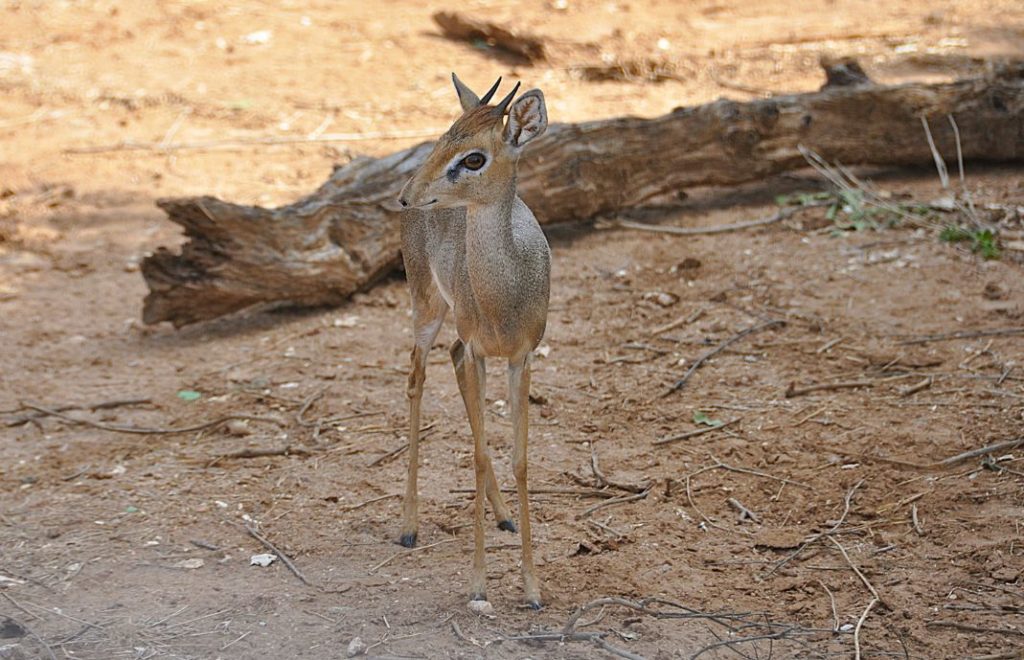
You’ll also (almost always) spot the dainty dik-dik – one of the smallest antelopes in the world. Interestingly, in a twist of nature, the female is slightly larger than the male.
As for birdlife, the park dazzles with over 450 species, making it a vibrant haven for birdwatchers. Expect an ever-changing palette of color and song in the trees and skies above Samburu.
Samburu’s Special Five
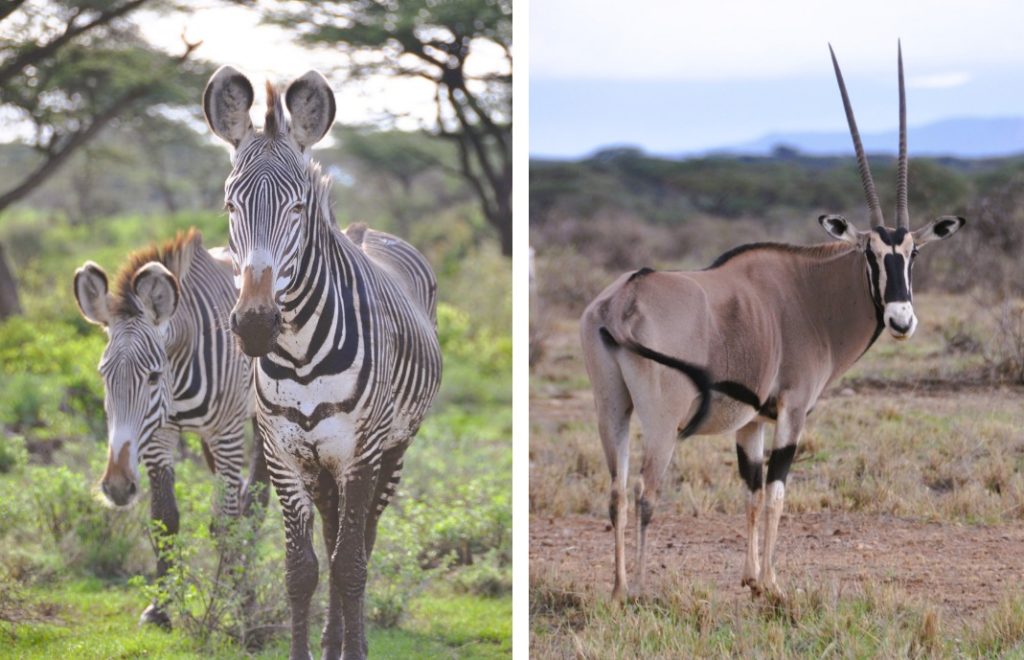
The national park is also renowned for what’s known as Samburu’s Special Five – a unique collection of animals you won’t find together in any other Kenyan national park.
Each of these rare creatures is listed as either vulnerable or endangered on the IUCN Red List, making sightings all the more meaningful.
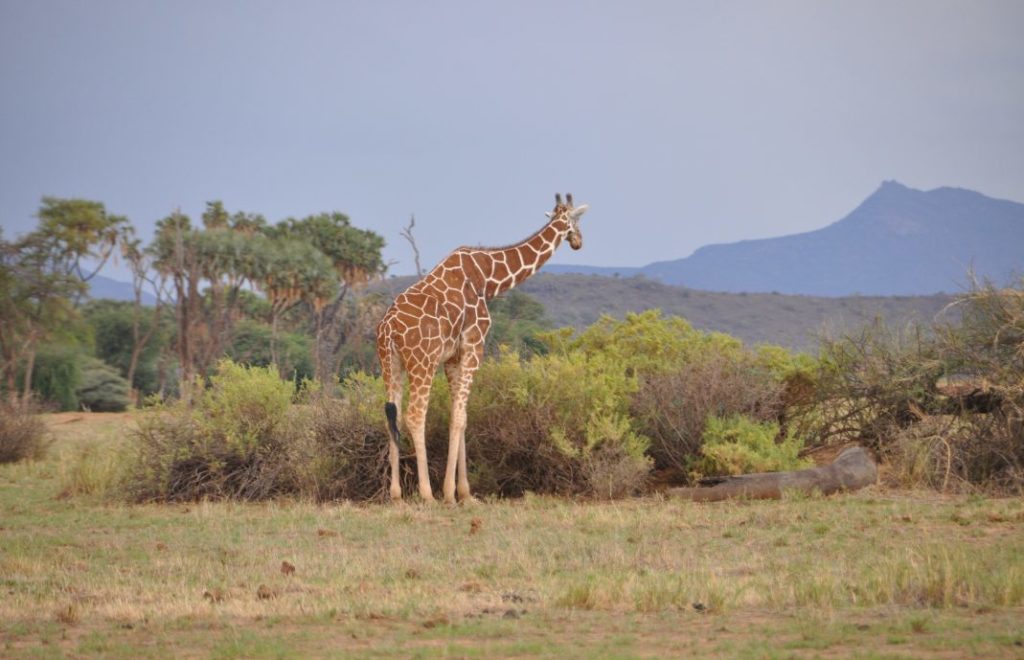
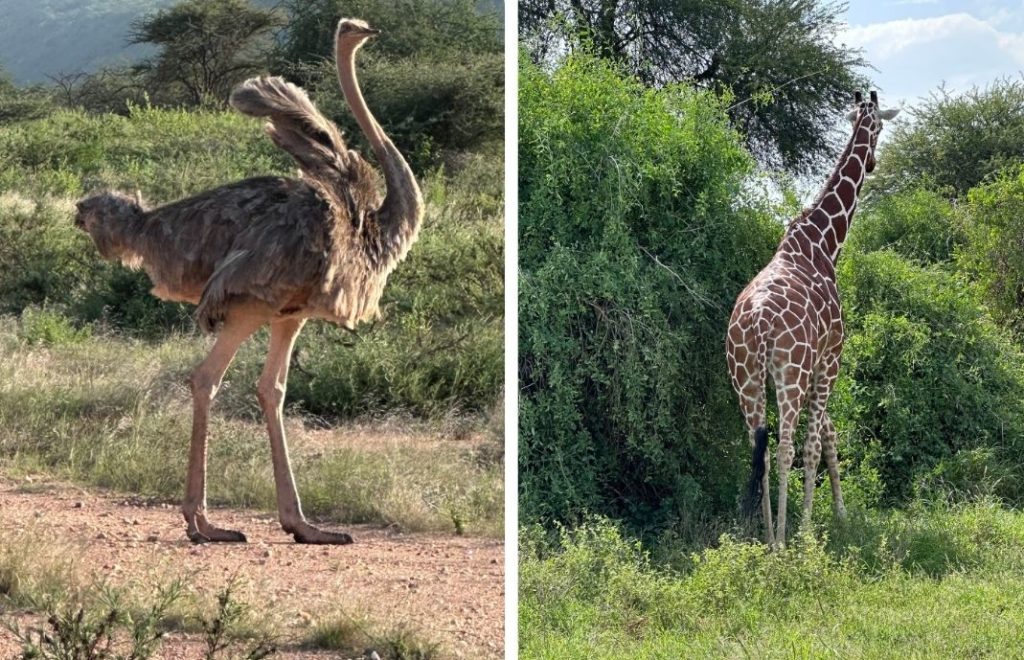
The elusive lineup includes the Grevy’s zebra, the striking Somali ostrich, the beautifully patterned reticulated giraffe, the long-necked and peculiar gerenuk, and the sturdy Beisa oryx.
If fortune favors you on your safari, you just might tick off all five – an unforgettable achievement for any wildlife enthusiast.
More inspiration: Samburu’s Special Five
The landscape of Samburu National Reserve
A striking blend of palm groves and woodland, interwoven with arid and semi-arid ecosystems, sets the stage for Samburu National Park’s breathtaking scenery.
You’ll almost certainly fall in love with this remote, untamed wilderness – an unspoiled realm teeming with iconic wildlife and enveloped in a serene, timeless atmosphere.
Though the reserve spans just 165 square kilometers, its topography is far from modest, ranging in elevation from 800 to 1,230 meters.
To the south, the life-giving Ewaso Nyiro River marks the park’s boundary, flowing gracefully between Samburu and the adjacent Buffalo Springs National Park.
And don’t overlook the majestic acacia trees that stand proudly throughout the landscape – nature’s own sculptures rising from the savannah.
Best time to visit Samburu National Reserve
Samburu is a year-round safari destination, but the most rewarding wildlife experiences typically occur between June and October, and again from December to March.
These months mark the dry season, when animals are drawn to the riverbanks for water, and the sparse vegetation makes wildlife spotting significantly easier.
The wet season – primarily November, April, and May – is best avoided by most safari-goers, as lush, dense vegetation can make it more challenging to spot animals.
However, if you’re a birding enthusiast, the green season offers its own magic. During these months, migratory birds flock to Samburu, adding a splash of color and song to the wilderness.
Keep in mind: days tend to be hot, while nights can turn cool or even cold – so be sure to pack some warm layers for those crisp safari mornings and evenings under the stars.
What can you do in Samburu National Reserve?
The number one activity in Samburu is, of course, safari – with game drives taking place in the early morning and late afternoon, when the wildlife is at its most active.
Between safari outings, you’ll unwind at your lodge – ideally one with a refreshing pool where you can relax and soak in the wilderness views.
For the more adventurous, the rugged, arid landscape of Samburu can also be explored on foot or by mountain bike. These excursions must be accompanied by a knowledgeable local guide to ensure both safety and deeper insight into the ecosystem.
A visit to a traditional Samburu village offers a fascinating glimpse into the community’s rich culture and time-honored traditions – an authentic experience that adds a human dimension to your African adventure.
For a unique safari: Explore Kenya’s wilderness by camelback
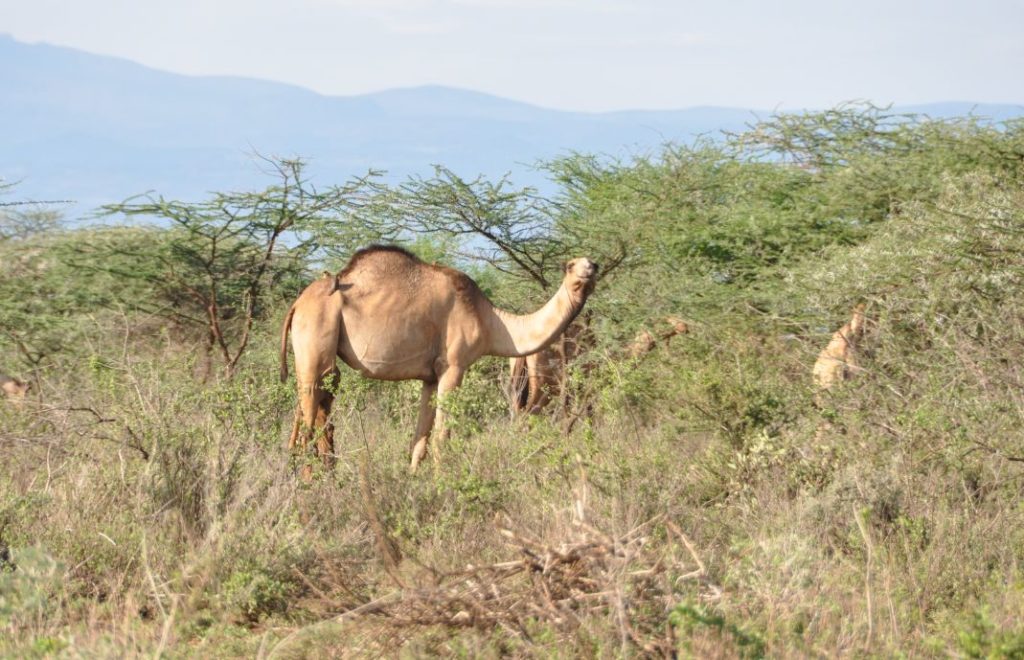
If you’re seeking a truly unique and off-the-beaten-path adventure, consider exploring Kenya’s wild heart from the back of a camel. This extraordinary experience allows you to get up close to wildlife such as zebra, giraffe, and ostrich – all while journeying through landscapes few travelers ever reach.
Not keen on riding the whole way? No problem. You can simply walk alongside the camels at your own pace.
Samburu tribesmen, along with their sure-footed camels, transport all the gear to your next campsite, making the journey feel like a timeless expedition.
These camel safaris vary in length and often include overnight stays in mobile camps, where you’ll move from one location to another. Accommodations range from simple tents to more luxurious setups, and all meals – freshly prepared in the bush – are included.
While no prior riding experience is required, a basic familiarity with horseback or camel riding will help you make the most of this immersive and unforgettable wilderness trek.
The Samburu People
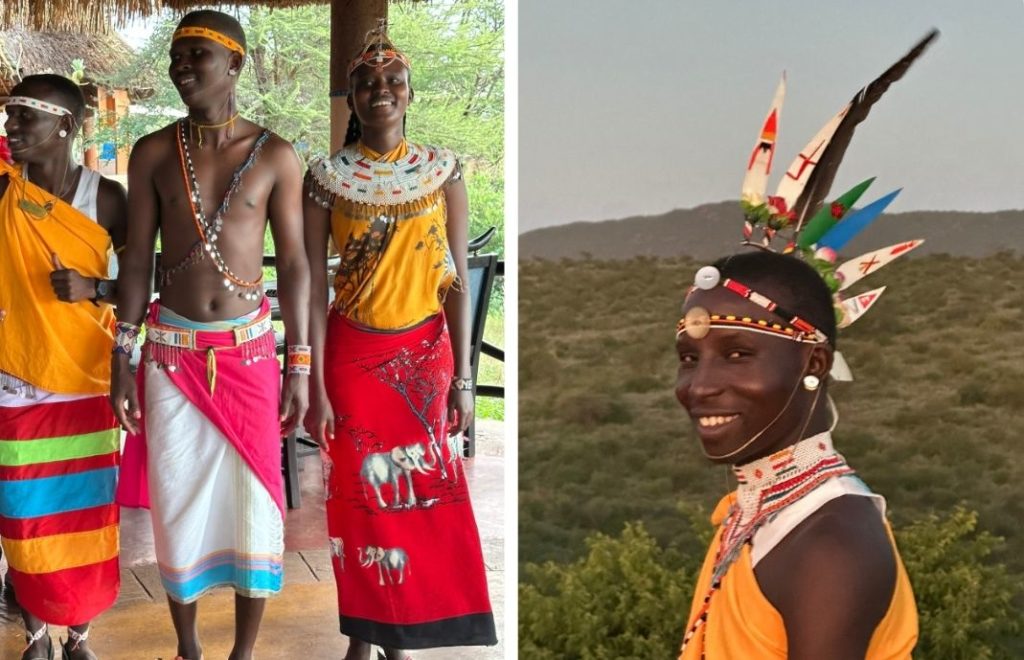
During your visit, you’re bound to encounter the Samburu people – renowned for being among the friendliest and most welcoming communities in Kenya. Many work as guides or staff at the lodges, and you’re warmly encouraged to sit down and chat with them; their stories offer a rich window into local life and tradition.
The Samburu’s traditional attire is unmistakable: vivid red cloth, worn either as a skirt or draped elegantly over the shoulder. Their style is both bold and beautiful, standing out against the muted tones of the savannah.
You’ll also notice their ornate beadwork – colorful earrings, bracelets (even on their ankles), and intricate necklaces that aren’t just decorative, but symbols of identity and warrior status.
Some Samburu men carry a slender wooden stick, a gift from an elder and a powerful sign of respect. It’s important to note that these sticks are deeply symbolic – never touch them, as doing so is considered highly disrespectful.
Engaging with the Samburu is a cultural experience that adds depth and authenticity to your safari – one that stays with you long after the journey ends.
More inspiration: Samburu people: The legend of the elephant
Kamunyak the Lioness
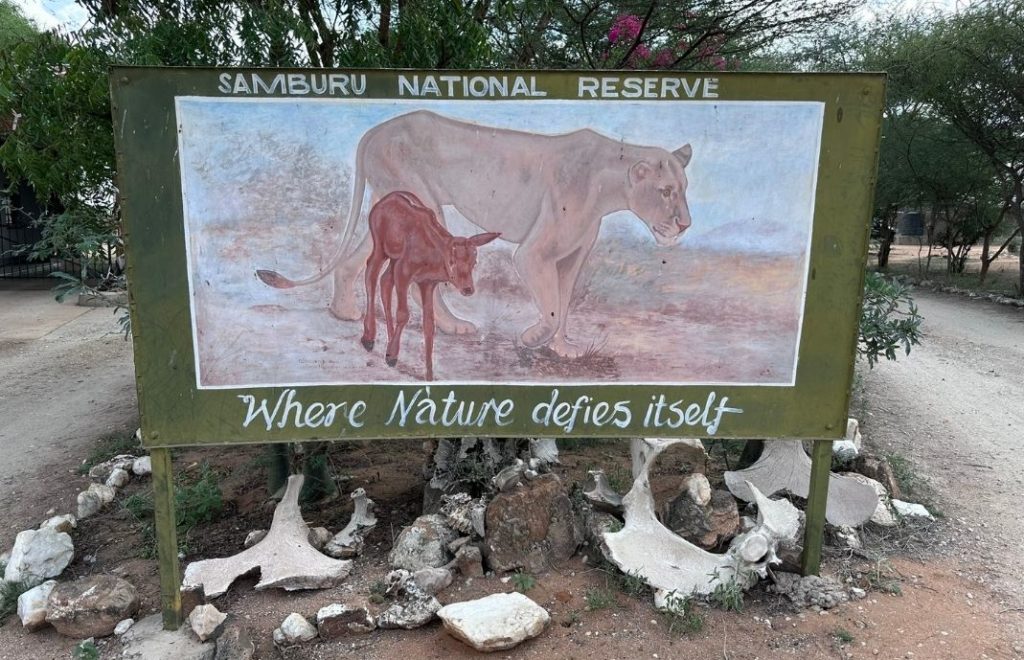
Samburu was once home to the extraordinary Kamunyak, a lioness who captured the world’s attention after adopting six oryx calves – an astonishing act of compassion that defied the laws of the wild. She fiercely protected the young antelopes, even standing her ground against predators and rival lion prides.
Her name, Kamunyak, means “The Blessed One”, and her story is both heartwarming and heartbreaking. Despite her devotion, Kamunyak struggled with hunger, as the oryx calves didn’t behave like lion cubs -they didn’t follow her on hunts or provide the stimulation young lions would, leaving her torn between survival and guardianship.
Kamunyak’s incredible journey was documented by Saba Douglas-Hamilton and her sister Dudu, who followed her between January 2002 and August 2003. Their film, Heart of a Lioness, offers a moving glimpse into this rare tale of cross-species affection – and is well worth watching.
Kamunyak was last seen in February 2004, but her story continues to inspire and her name lives on, etched into the legend of Samburu.
Highlights of Samburu National Reserve
There are so many reasons to fall in love with Samburu, but here are just a few of the park’s standout highlights:
- Small in size, big on wildlife -Though one of Kenya’s smallest national parks, Samburu boasts an astonishing abundance of animals.
- Home of the big cats – Lions, cheetahs, and leopards all prowl these wild lands.
- Sanctuary for the endangered African wild dog – Samburu is one of the best places in Kenya to spot these rare and elusive predators.
- A chance to see Samburu’s Special Five – With luck, you might tick off all five of the park’s unique and rare species.
- A birder’s paradise – With over 450 recorded bird species, it’s a haven for bird lovers and photographers alike.
- Adventure beyond the vehicle – Join a walking safari or explore the terrain on a mountain bike for a deeper connection with the land.
- Cultural encounters – Visit a traditional Samburu village and experience the warmth, heritage, and hospitality of the local people.
Samburu may be remote, but that’s part of its magic – offering an authentic, uncrowded safari that’s as wild as it is unforgettable.
Where to stay in Samburu National Reserve?
Check-in: Samburu Sopa Lodge
Kenya is a mind-blowing country – and every park will amaze and delight you.
Here you can read more about Kenya – and all it has to offer
