
Masai Mara is the crown jewel of Kenya’s national parks – a protected Eden brimming with wildlife and famed across the globe for its breathtaking diversity of animal life.
It’s the thunderous rhythm of hundreds of thousands of hooves pounding across the golden savannah. A place where the roar of lions, the eerie whoops of hyenas, and the low grunts of buffalo echo through the African night.
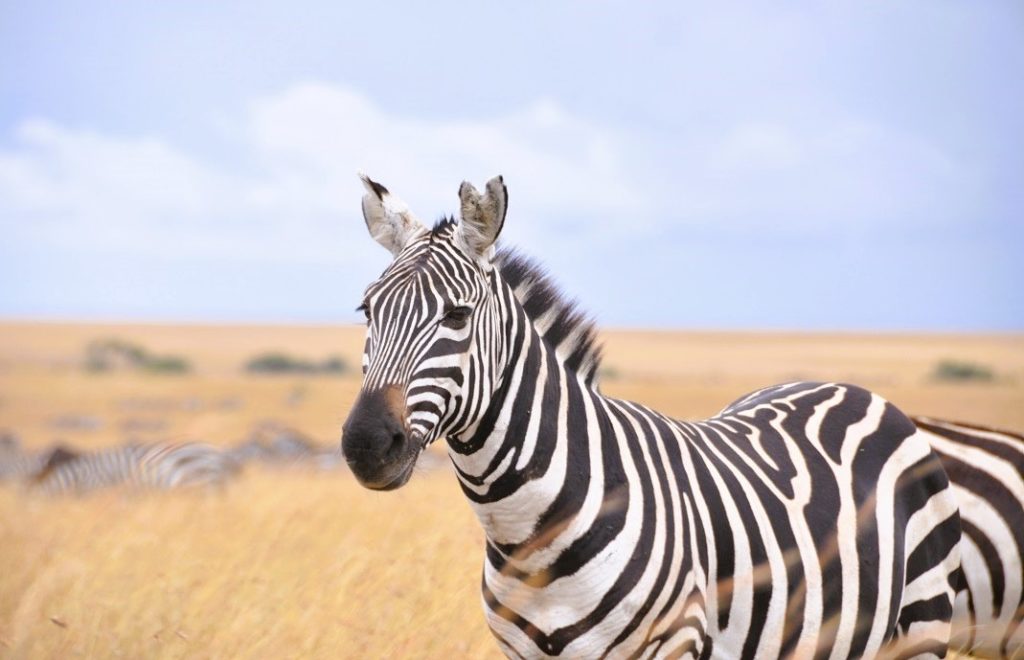
Masai Mara is also home to the greatest wildlife spectacle on Earth: The Great Migration – a pulse-pounding, dust-churning journey of nearly two million wildebeest and zebras in search of greener pastures.
This is Africa, exactly as you’ve imagined it – wild, raw, and utterly unforgettable.
How to get to Masai Mara National Reserve
Tucked away in southwestern Kenya along the breathtaking Great Rift Valley, Masai Mara lies in the Narok region, sharing a seamless border with Tanzania’s legendary Serengeti National Park.
Despite its remote, rugged allure, Masai Mara is surprisingly accessible. You can arrive either by road or opt for the quicker, more effortless route – via bush plane, landing just a short drive from your lodge.
No matter how you arrive, the moment you step into Masai Mara, you’ll feel it: that pulse of untamed Africa, just waiting to be explored.
By road
If you’re up for a road trip, the drive from Nairobi to Masai Mara takes about five hours. But don’t worry – this is no dull journey. The route winds through captivating scenery, local towns, and open countryside, and you might even spot wildlife along the way.
While a self-drive may sound adventurous, it’s highly recommended to book your safari with a reputable operator. In Kenya, self-driving is generally discouraged due to road conditions and logistical challenges.
By air
For a faster and more comfortable journey, a fly-in safari is the way to go. There are daily flights from Nairobi’s Wilson Airport, and in just about one hour, you’ll touch down on one of the small airstrips within the reserve.
Several airstrips serve the Mara, so be sure to choose the one closest to your lodge. Upon landing, a driver will be waiting to whisk you away into the wild.
Keep in mind that these flights have a strict 15 kg (33 lb) baggage limit per person, including hand luggage.
You can also fly into Masai Mara from Kilimanjaro Airport in Tanzania, or from Kenya’s coast – Mombasa and Diani Beach – as well as from other national parks like Amboseli and Samburu.
Whether your flight is direct or includes a short stopover will depend on the time of year and your chosen route.
The history of Masai Mara National Reserve
Masai Mara’s story began in 1961, when it was first established as a protected area spanning just 520 square kilometers, including the iconic Mara Triangle. Over time, it expanded eastward to cover 1,821 square kilometers, and was eventually designated as a wildlife reserve.
In 1974, parts of the reserve were reclassified as a national park, while 159 square kilometers were returned to local communities. Two years later, in 1976, another 162 square kilometers were removed from the reserve’s boundaries.
Today, Masai Mara National Reserve stretches across an impressive 1,510 square kilometers of untamed African wilderness.
The reserve takes its name from the Maasai people, the proud and semi-nomadic community who have lived in harmony with this land for generations. Their deep cultural ties and traditional stewardship remain an essential part of the Mara’s identity – making a visit here not only a journey through nature, but through history itself.
Safari in Masai Mara National Reserve
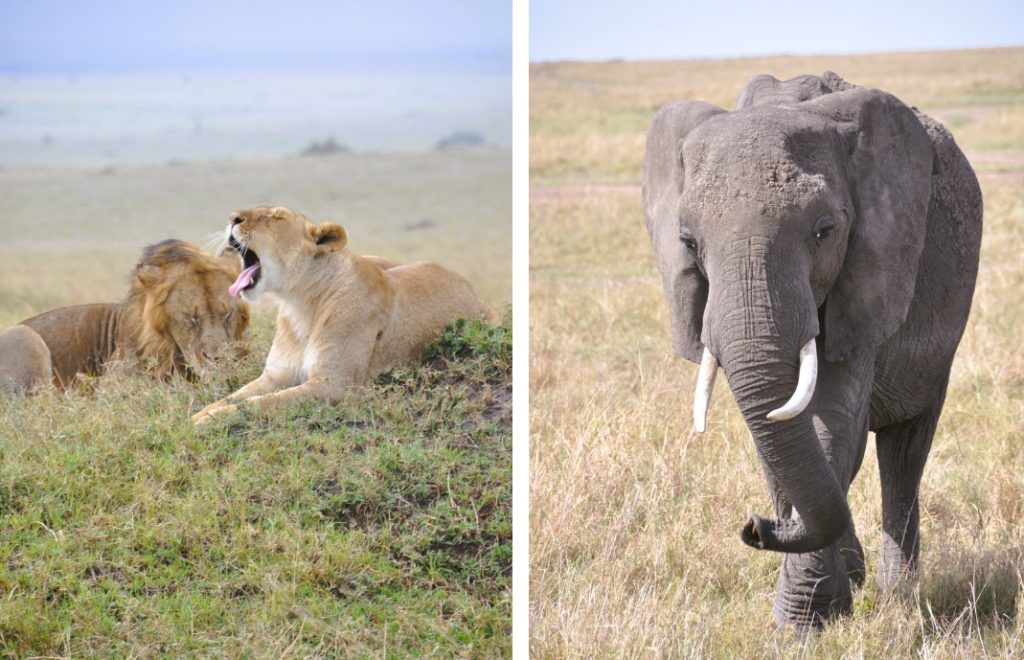
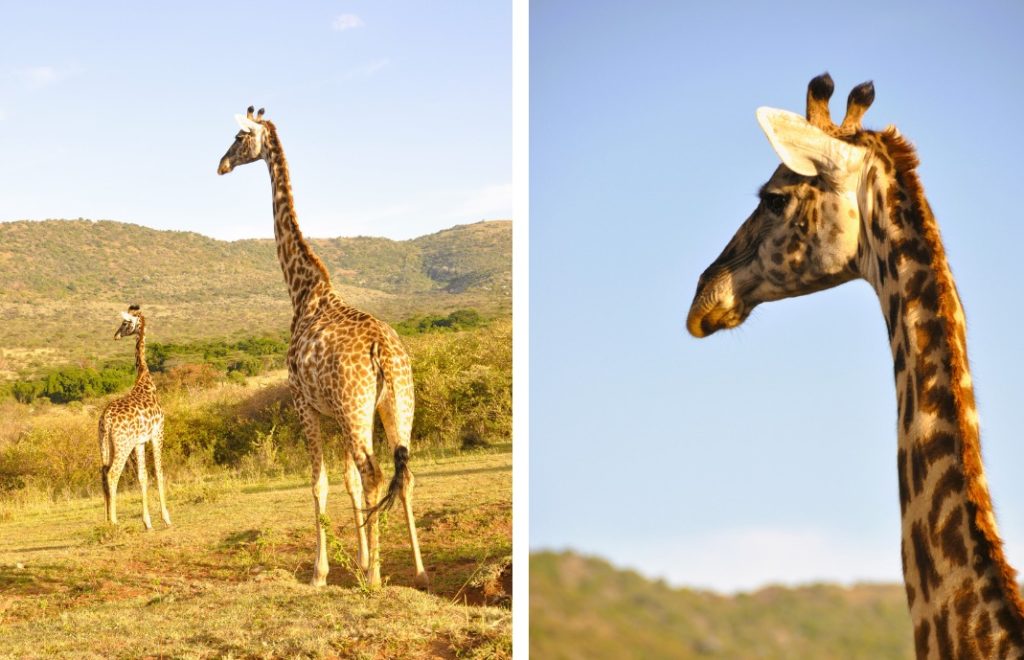
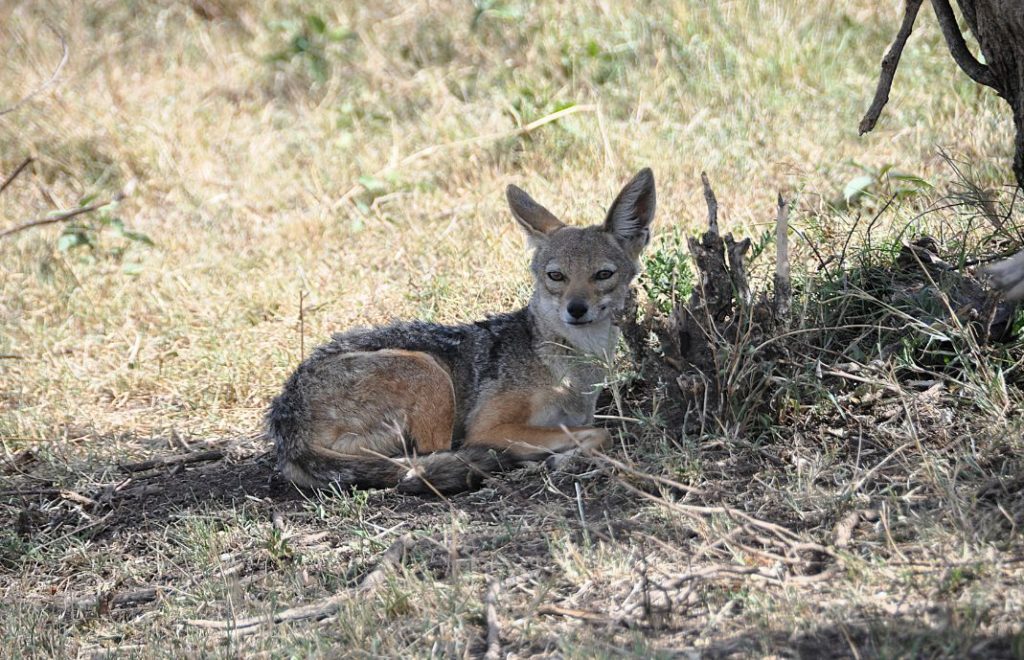
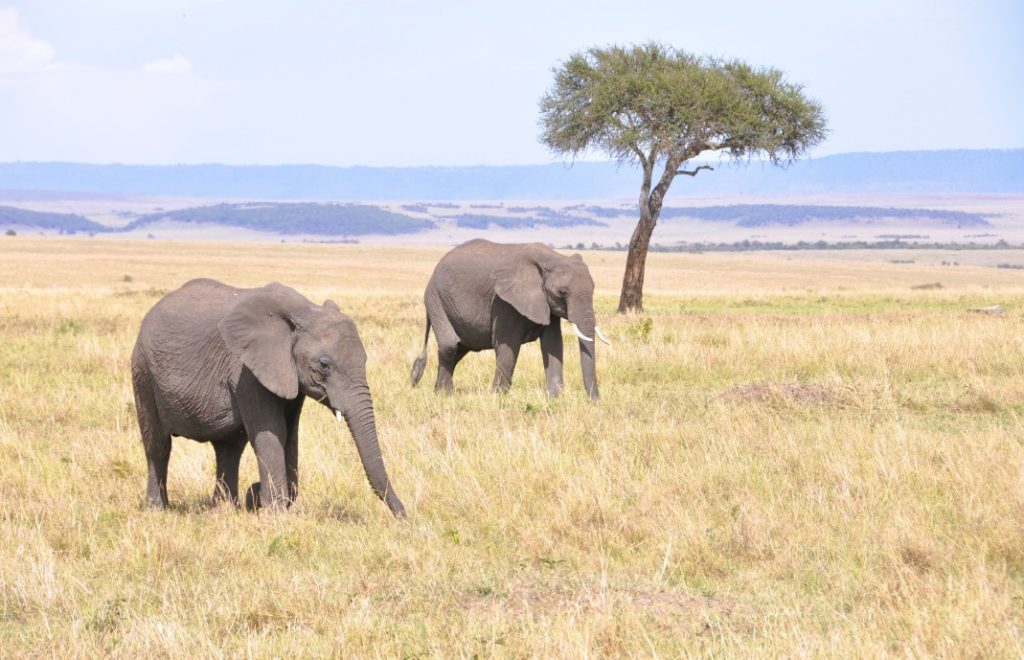
The stage is set for one of the most spectacular wildlife performances on Earth – and the cast is nothing short of legendary. Picture this: The Big Five – elephant, lion, leopard, rhino, and buffalo – joined by hippos wallowing in rivers, graceful giraffes gliding across the plains, cheetahs in full sprint, zebra herds zigzagging through the grasslands, and baboons and monkeys keeping a cheeky eye on it all. Overhead and all around, an astonishing variety of birdlife adds color and song to the scene.
For safari lovers, Masai Mara delivers a show of pure magic and wild unpredictability. You never know what you’ll encounter – or where. And that’s precisely what makes it so thrilling.
To get the most out of your safari, you’ll need to take a cue from the animals: rise early. Most wildlife is active at dawn, well before the sun crests the horizon.
A typical safari day in Masai Mara includes two game drives: one in the early morning, and another in the late afternoon, each lasting two to three hours. Between drives, you’ll return to your lodge or camp to relax, dine, or simply sit in stillness, soaking in the wilderness.
Every drive is a fresh journey across the savannah – a chance to witness life in its rawest, most majestic form. In Masai Mara, no two safaris are ever the same.
More inspiration: Safari in Masai Mara National Reserve
Rules in Masai Mara National Reserve
You’re not just visiting a national park – you’re stepping into a wildlife sanctuary, where the animals rule. You are the guest here. They are the rightful residents.
The rules in Masai Mara exist for good reason – to protect you, and more importantly, the animals.
Stay in the vehicle
It is strictly forbidden to exit your vehicle while inside the reserve – unless you’re accompanied by an armed ranger or certified guide.
Wondering if anyone’s broken that rule before? Sadly, yes – and let’s just say the wilderness doesn’t offer second chances.
Safety briefings matter
Upon arrival at your lodge or camp, you’ll be greeted by staff or a park ranger who will walk you through essential safety guidelines. Pay close attention. These people know what they’re talking about, with years of experience and firsthand knowledge of the local wildlife. Their advice is not optional – it’s essential.
No fences, just freedom
Many lodges and camps in Masai Mara are unfenced. That’s part of the charm – and the thrill. You’re in the animals’ world, and yes, they often stroll through.
Instead of fear, embrace the wonder. Imagine sipping your morning coffee while elephants wander by in the mist. These are the stories you’ll tell for a lifetime.
Never walk alone after dark
Once the sun sets, never walk around the lodge grounds alone. If you need to move from your room to the main area – or vice versa – simply call the front desk. A staff member will escort you safely.
In Masai Mara, nature isn’t tamed – and that’s the magic. Respecting the rules means keeping that magic alive – for you, for others, and for the wild heart of Africa itself.
When is the best time to visit Masai Mara National Reserve?
The best time to visit Masai Mara? Right now.
This incredible reserve is a year-round destination, with each season offering its own unique rhythm of life on the savannah. But depending on what you’re hoping to experience, some periods might suit your safari dreams better than others.
July to October – The Great Migration
This is by far the most popular time to visit Masai Mara – and for good reason. From July to October, the park becomes the stage for the Great Migration, one of nature’s most jaw-dropping spectacles. Nearly two million wildebeest and zebras thunder across the plains in search of fresh grazing land, braving crocodile-infested rivers and ambushes from predators.
It’s raw. It’s dramatic. It’s unforgettable.
But it’s also the busiest season. Don’t be surprised to find yourself in a wildlife traffic jam, with dozens of safari vehicles jockeying for the perfect view of the action.
Other times of year
Outside of migration season, the park is quieter, but no less magical. Predator sightings are often better, as tall grasses die down and visibility improves. You’ll also enjoy more peaceful game drives and less competition for prime wildlife sightings.
So when’s the best time to go? That depends on what you seek:
- For heart-pounding drama and sheer spectacle, July to October is ideal.
- For intimate, less-crowded encounters with the Mara’s residents, consider the shoulder or off-peak months.
No matter when you go, Masai Mara never disappoints. The wild is always waiting.
Baby season and lion season
While the Great Migration may steal the spotlight, another unforgettable time to visit Masai Mara is during the so-called baby boom – a season of new life and tender moments on the savannah.
Baby Boom – just after the rains
When the rainy season ends and the plains burst into lush, green life, the Mara becomes a nursery. This is baby season.
Everywhere you look, the grasslands are dotted with newborns – tiny zebra foals, wobbly wildebeest calves, and a parade of other endearing herbivore youngsters finding their feet in a world full of wonder (and danger).
The park feels softer, more serene, and intensely photogenic. And where there are baby animals… predators are never far behind.
Lion season – January to March
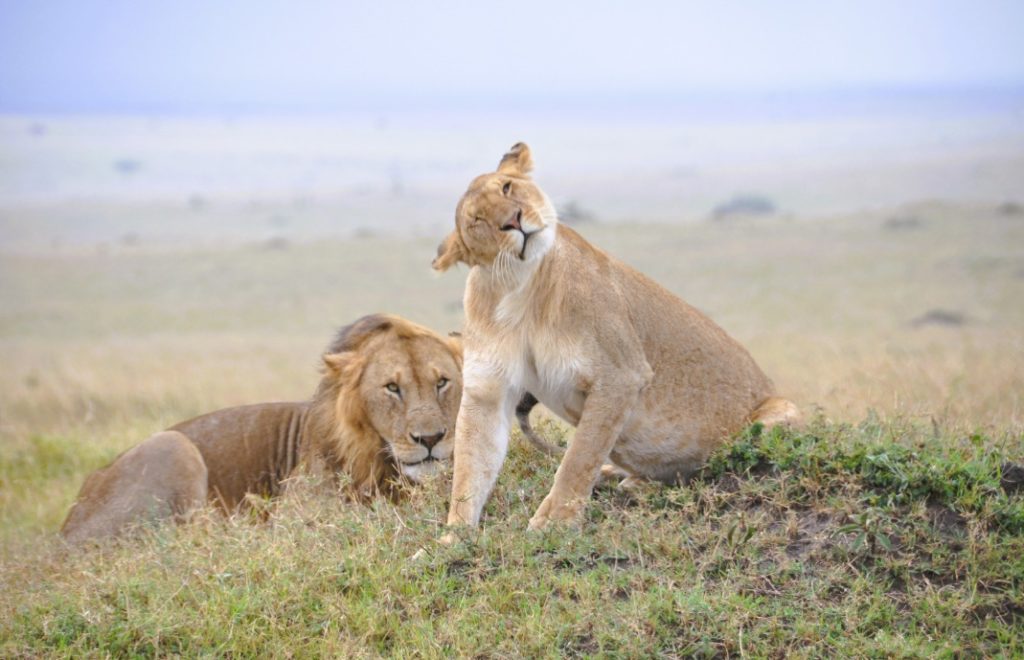
From January through March, the rains subside, and the tall grass gives way to clearer sightlines – perfect conditions for spotting wildlife. This period is often dubbed “lion season,” as the sparse vegetation makes it easier not just for safari-goers to spot big cats, but for lions themselves to hunt.
While sightings are never guaranteed, this season often rewards visitors with dramatic views of lions – sometimes solitary, sometimes lounging in impressive prides.
Whether you’re drawn by the grandeur of the migration, the charm of newborns dancing through the grass, or the regal presence of lions on the hunt, Masai Mara offers magic in every season – you just have to decide what kind of adventure you’re after.
The year in Masai Mara: What to expect month by month
Masai Mara is a destination that evolves beautifully with the seasons. From sun-drenched plains to lush, rain-soaked savannahs, each time of year offers its own unique atmosphere, wildlife activity, and photographic charm. Here’s how the year unfolds in Kenya’s most iconic reserve:
January – February: Warm and dry
These months bring plenty of sunshine and minimal rainfall, making it an excellent time for wildlife viewing.
With dry conditions prevailing, animals gather around waterholes, offering fantastic chances to spot a variety of species in close quarters. It’s also part of the so-called “lion season”, when thinner vegetation makes big cats easier to find.
March – May: The long rains
This period marks the long rainy season, with April being the wettest month of the year. While heavy rains can sometimes affect game drives, the rewards are plenty:
The landscape transforms into a lush, emerald paradise, and the park bursts with life. It’s a quieter time in terms of tourism, which means more intimate safari experiences – and it’s baby season for many herbivores.
June – October: Peak safari season
Widely considered the best time to visit, this is the dry season with mild temperatures, clear skies, and prime conditions for safaris.
From July onward, the Great Migration arrives in full force, bringing with it dramatic river crossings, intense predator action, and crowds of safari vehicles hoping to catch the spectacle. It’s a thrilling time – but also the busiest.
November – December: The short rains
As the short rains arrive, expect occasional afternoon showers and more overcast skies. Mornings and evenings can be cool, so pack warm layers for early game drives.
Wildlife remains abundant, the park is beautifully green again, and visitor numbers drop slightly – making it a great window for those seeking a balance of beauty, accessibility, and relative solitude.
In Masai Mara, there’s no “bad” time to go – only different shades of wild. Whether you chase the thunder of hooves in high season or the misty magic of the rains, the Mara always rewards those who venture into its timeless terrain.
Pros and Cons: When should you travel to Masai Mara?
Still undecided about the best time to experience the wonders of Masai Mara? Here’s a clear breakdown of the advantages and disadvantages of visiting during the dry season (June through October) – often considered the prime time for a safari in this iconic reserve.
Why you should visit during the dry season (June – October):
- The Great Migration:
Witnessing nearly two million wildebeest and zebras thunder across the plains is a bucket-list experience – and it only happens during these months. - Excellent wildlife visibility:
With little rain, the vegetation is sparse, making it easier to spot animals – even elusive predators like leopards and cheetahs. - Animals gather at water sources:
In the dry heat, wildlife congregates near rivers and waterholes, offering concentrated and dramatic viewing opportunities. - Pleasant weather:
Expect comfortable daytime temperatures and clear skies—ideal for game drives and photography. - Fewer mosquitoes:
Dry weather means fewer breeding grounds for mosquitoes, lowering the risk of bites and mosquito-borne illness.
Why you might not want to visit during the dry season:
- Crowded park:
The Great Migration draws a lot of people. Don’t be surprised to find a dozen safari vehicles parked side by side at popular sightings. - Higher prices:
This is peak season, which means premium pricing on lodges, camps, and tours. Availability can be limited unless you book well in advance. - Chilly mornings and evenings:
While days are warm, early game drives can be quite brisk. Pack layers to stay comfortable during those golden-hour safaris.
Final thoughts
If you’re chasing the iconic, high-drama safari experience – the kind you’ve seen in nature documentaries – the dry season is unbeatable.
But if you’re seeking peace, greenery, and fewer crowds, you might consider the shoulder months or green season, when the Mara takes on a quieter, more intimate character.
Either way, Masai Mara will take your breath away. The question is simply: what kind of magic are you looking for?
Pros and Cons: Visiting Masai Mara during the rainy season
The rainy season in Masai Mara may not be the most obvious choice for a safari – but for the right traveler, it can be a lush and rewarding experience. Here’s what to consider before booking your green season adventure:
Why you should visit during the rainy season (November – May):
- Lower prices:
Accommodation and tour costs are significantly reduced compared to the high season – ideal for travelers seeking a luxury safari on a smaller budget. - More availability:
With fewer tourists in the park, it’s easier to book your preferred lodge or camp, often with more flexible travel dates. - Fewer crowds:
Enjoy a more intimate and serene safari experience, without clusters of vehicles crowding animal sightings. - Breathtaking landscapes:
After the rains, Masai Mara bursts into life – lush, green, and in full bloom. Trees flower, plains shimmer with new growth, and the backdrop is perfect for photography. - Dust-free and cooler drives:
Rain keeps the dust down and naturally cools the air, making for more comfortable game drives. - Birdwatching paradise:
If you’re into birds, this is your time. Migratory species arrive, and the birdlife is at its most diverse and colorful.
Why you might not want to visit during the rainy season (especially March – May):
- Challenging road conditions:
Heavy rains can turn dirt tracks into mud pits, making some areas difficult – or impossible – to access. - Seasonal lodge closures:
Several camps and lodges close for maintenance during April and May, limiting your accommodation options. - Flooding:
Rivers often swell during April and May, and flash floods can disrupt safaris or force route changes. - Mood and comfort:
Constant rain can dampen more than the landscape. If you’re not one to embrace wet weather, the idea of being soggy in a safari tent may not be your dream vacation.
Final verdict
Traveling during the rainy season is for those who seek solitude, vibrant landscapes, and a different kind of safari magic. If you’re flexible, weather-tolerant, and eager to avoid the crowds, this might just be your perfect window into the wild.
But if comfort and ease are your priorities – or if it’s your once-in-a-lifetime trip – the dry season may be the safer bet.
In the end, Masai Mara is always extraordinary. The choice is yours: dramatic spectacle or quiet beauty?
Things to do in Masai Mara National Reserve
While safari game drives are the main draw to Masai Mara, there are other unforgettable experiences that elevate your adventure far beyond the ordinary. One of the most magical? A hot air balloon safari.
Hot Air Balloon Safari
What could be more enchanting than drifting silently over the savannah at sunrise, watching wildlife awaken beneath you?
The balloon lifts off just as the first light spills across the horizon. For about an hour, you’ll float above the plains, scanning the golden grasslands for elephants, giraffes, wildebeest, lions, and more – from a perspective few ever experience.
From above, the Mara reveals itself in a whole new way: winding rivers, scattered herds, and vast open skies stretching to infinity.
When you land, the adventure continues with a champagne breakfast in the wild – an elegant and surreal way to celebrate the moment.
Is it worth It?
Absolutely. This isn’t just an activity – it’s a once-in-a-lifetime experience, and there are few places on Earth more perfect for a hot air balloon ride than Masai Mara.
Just be prepared: This is one of the priciest activities you can book in the park. But for those who do it, the memories are priceless.
Whether on foot, by vehicle, or floating high above it all, Masai Mara invites you to see the wild through every lens – and this one, quite literally, offers the view of a lifetime.
Get to know the Maasai People
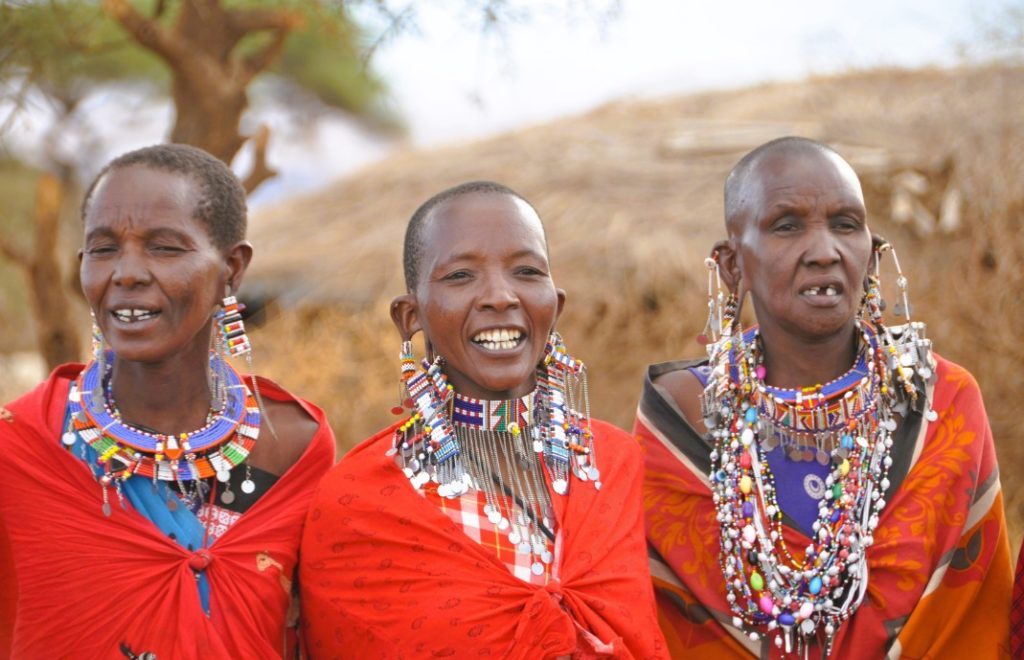
No tribe in Africa is more iconic – or more instantly recognizable – than the Maasai. Proud, tall, and draped in striking red shúkàs, the Maasai have become living symbols of East Africa’s cultural heritage.
They inhabit vast stretches of southern Kenya, with many communities living near and around Masai Mara National Reserve.
Visit a Maasai Village
One of the most enriching cultural experiences during your time in Masai Mara is a village visit, where you’re welcomed into a traditional Maasai homestead.
In the span of about an hour, you’ll get a glimpse into their daily lives, rituals, beliefs, and ancestral traditions – from how they build their homes to how they herd livestock, dance, and pass down stories through generations.
You’ll likely be invited to join in a traditional song or dance, speak with village elders, and learn about the deep connection the Maasai have with the land and wildlife.
A cultural encounter with purpose
Beyond the photographs and colorful memories, this experience is a reminder that the Maasai are not performers – they are proud stewards of their heritage, navigating the modern world while preserving the essence of who they are.
Visiting a Maasai village is more than a cultural stop – it’s a chance to honor the human story woven into the wild beauty of the Mara.
The Great Migration: Nature’s greatest show on Earth
Welcome to the greatest wildlife spectacle on the planet – where millions of animals take center stage in a drama of survival, instinct, and sheer endurance.
If wildebeest and zebras could talk, they’d probably tell you: yes, the grass really is greener on the other side. And so, every year, over two million wildebeest, zebras, and other grazers embark on a perilous journey from the southern Serengeti in Tanzania to the lush, green plains of Masai Mara in Kenya.
A journey of survival
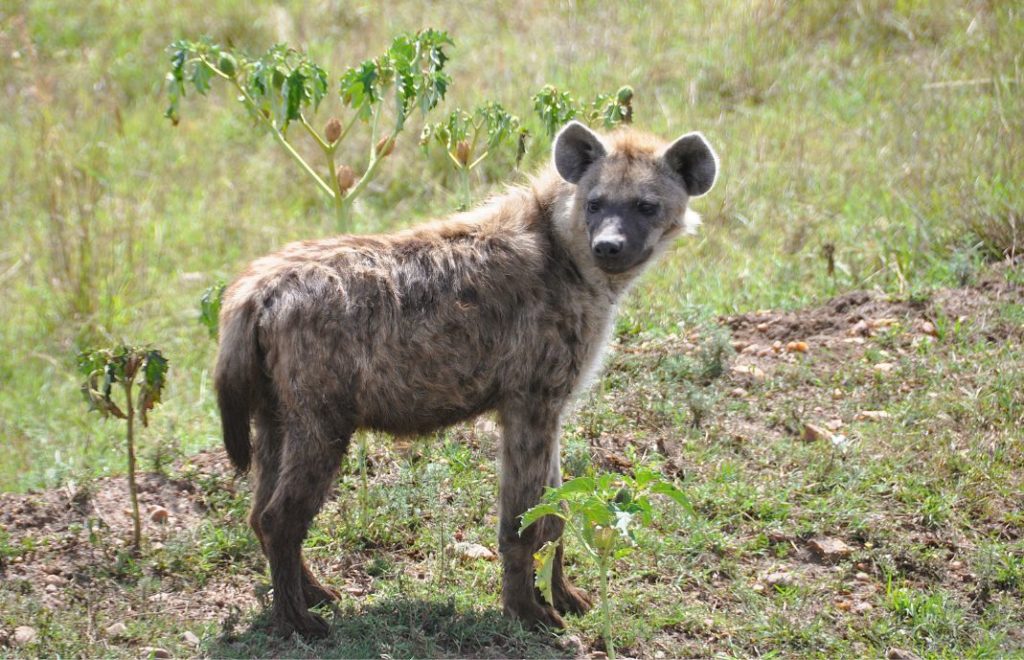
This isn’t just a migration – it’s a test of life itself. And where there are prey, predators are never far behind. Lions, leopards, cheetahs, and hyenas follow the herds closely, waiting for the right moment to strike.
But the biggest obstacle of all? The Mara River.
At the height of the migration, herds gather at the riverbanks, eyes wide with uncertainty, as over 3,000 crocodiles lie in wait. Then, in a burst of courage (or desperation), they leap – one by one – into the churning, muddy waters. The river crossings are chaotic, heart-pounding, and awe-inspiring to witness.
A Natural Wonder
The Great Migration is often called one of the Seven Natural Wonders of Africa, and it’s easy to see why. It’s a safari moment unlike any other – where you don’t just see wildlife, you feel the raw pulse of the wild.
For many, this is the defining safari experience – the one they’ll remember for the rest of their lives.
And if you’re lucky enough to witness it? You’ll never look at nature the same way again.
More inspiration: The Great Migration

There are so many reasons to travel to Kenya!
Click here for a full overview of the country’s national parks, experiences and accommodations
