
An elderly couple sits beside me on the flight to Cairo. The woman, gripping a thick guidebook, beams with anticipation. It’s their first time in Egypt, she tells me, and they can hardly wait. She asks if I’ve ever been. I nod and smile.
“I’ve actually lived in the land of the pharaohs for two years,” I say. “I know Cairo – and Egypt – pretty well.”
Her eyes widen. “What’s it like?”
“Well…” I pause, half amused.
“Cairo is a glittering illusion cloaked in dust. The streets tangle like spaghetti, the drivers are certifiably mad, and peace and quiet is something you’ll have to search long and hard for.”
She looks a bit taken aback, flipping through her guidebook, clearly disappointed by my less-than-glowing review – and no doubt puzzled as to why I’m returning.
“But Cairo,” I continue, softening, “is also wrapped in a cloak of excitement, wonder, and mystery. It’s a city pulsing with ancient secrets and dazzling celebrations. It’s maddening, magnetic, and magnificent – if you’re willing to dig a little deeper.”
She closes the guidebook slowly. Her husband leans in, curiosity piqued.
And so I begin to tell them the real story…
A city that has it all
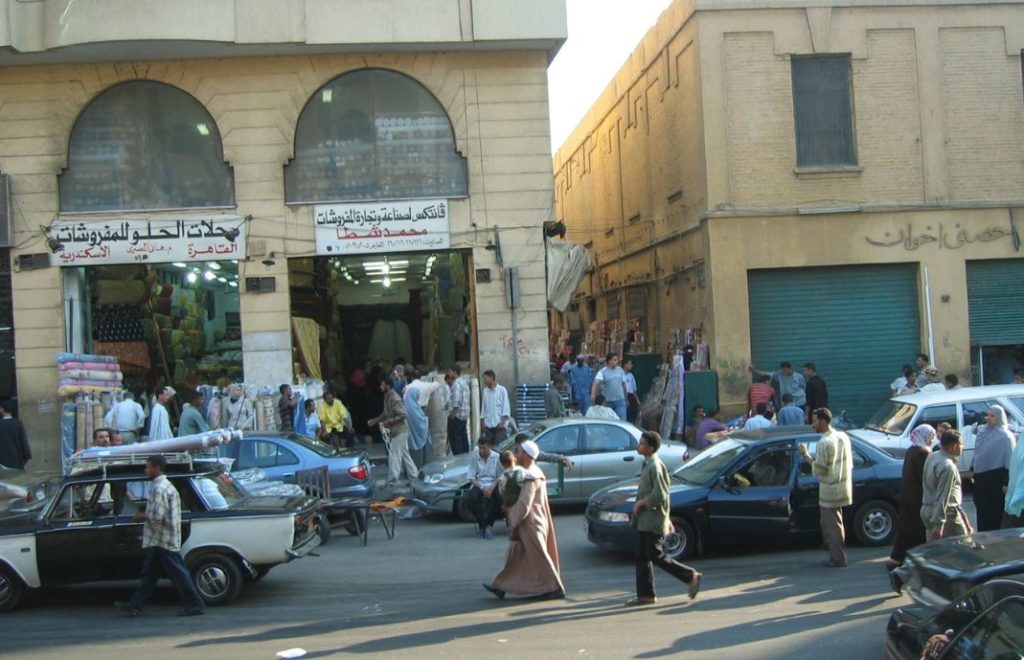
Founded in 969, Cairo is a city steeped in history and bursting with life. A sprawling metropolis where visitors can expect just about anything. It’s a place of contrasts: wealth and poverty, sleek modern towers and crumbling relics of the past, all existing side by side in a pulsing urban symphony.
Here, donkeys share the roads with honking taxis, and traffic laws are more like suggestions – often ignored in favor of brute determination or horn-blaring bravado. The markets are a vibrant maze where you can find everything from miniature statues of ancient gods to hand-blended perfumes and cups of sweet, minty tea. Friendly, inquisitive locals call out, offering their wares with a smile and a spark of curiosity.
Along the banks of the Nile, this hypermodern megacity hums with energy, but much of its soul lies just beneath the surface. Beneath the haze of dust, diesel, and concrete lies a city of depth, spirit, and astonishing complexity.
The Egyptians themselves call it Umm el-Dunya – “Mother of the World.”
Cairo is chaotic, exhilarating, and endlessly fascinating. It truly is a city that has it all.
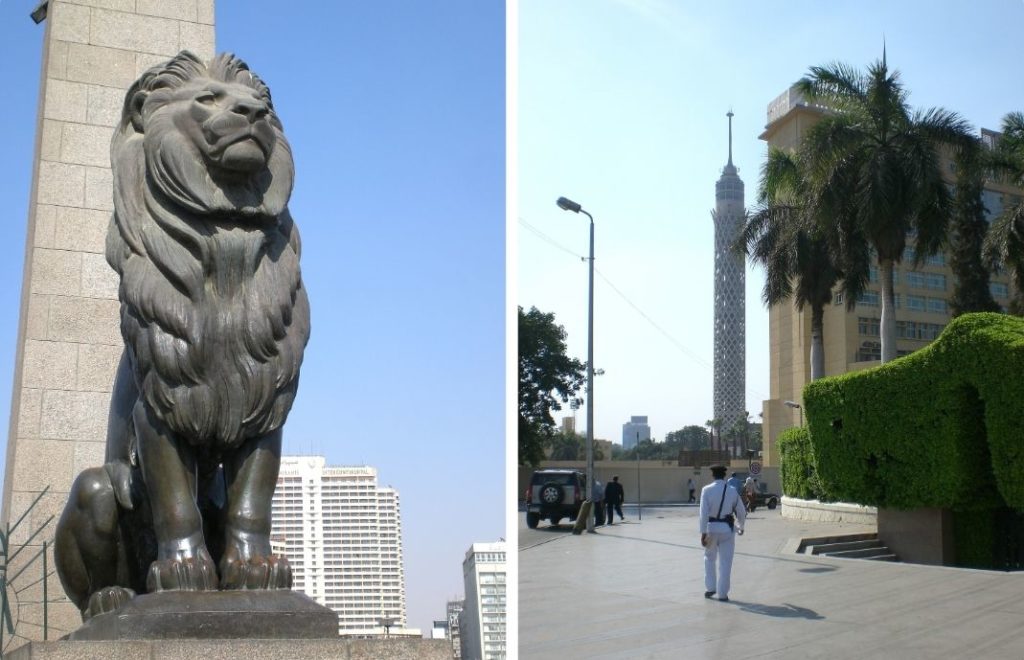
Cairo – A colorful collision of everything
With a population somewhere between 15 and 20 million, Egypt’s capital often feels like the entire city is coming straight at you – all at once. Everyone seems to be waiting for the perfect moment to cross the street. The problem? That moment never comes. Instead, you dodge, weave, and slip between speeding cars, honking relentlessly at pedestrians. It’s here the tourist is separated from the true Cairene.
And yet, amid the chaos, there’s calm. People take life as it comes, guided by a relaxed philosophy and an unshakable belief that everything will happen insha’ Allah – if God wills it.
Cairo is a patchwork of neighborhoods, each with its own rhythm, charm, and unique set of attractions. Whether your passion lies in ancient history, vibrant markets, or buzzing nightlife, you’ll find your place here – if not several.
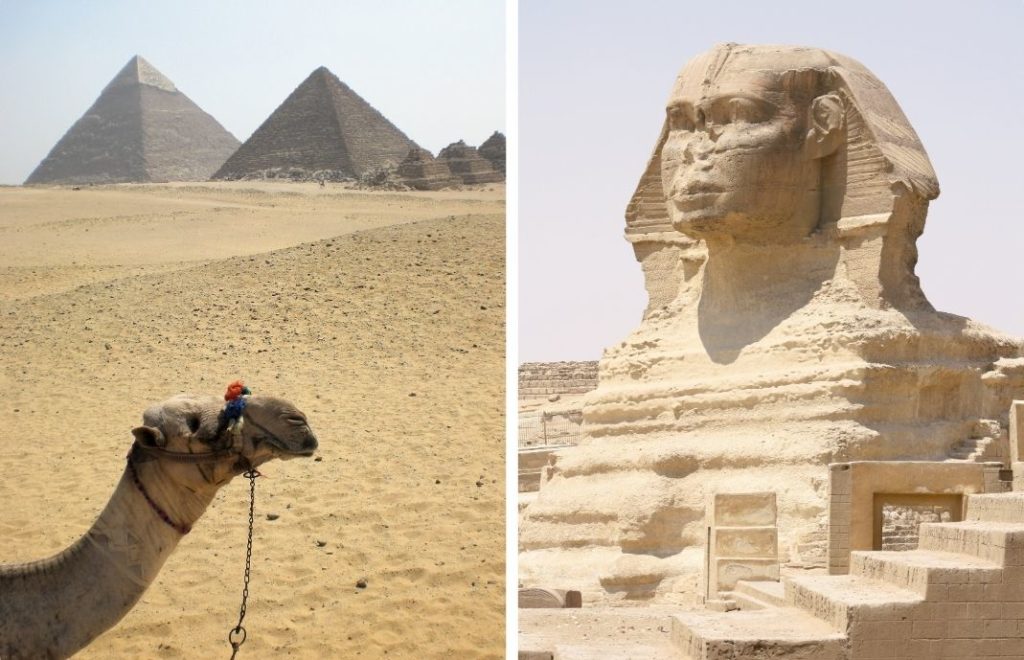
No visit to Cairo is complete without a pilgrimage to Giza, just southwest of the city on the Nile’s west bank. Here, the vast plateau is crowned by the iconic pyramids – grander, more majestic, and more moving than any photograph can prepare you for.
Step inside one of the ancient tombs if you dare, but be warned: the descent is narrow, the air stifling, and the climb intense. Still, it’s a once-in-a-lifetime experience, a journey into the soul of an ancient civilization.
And there, ever watchful, stands the Sphinx – silent guardian of the pyramids for over 4,500 years. Imagine the stories it could tell, if only it could speak…
In Cairo, the ancient and the modern don’t just coexist – they dance in the dust and sunlight of a city that never stops moving.
One of the oldest marketplaces on Earth
Islamic Cairo is the spiritual heart of the city – a place where minarets pierce the skyline, ancient mausoleums whisper stories of the past, and the air is alive with the rhythm of market banter and the call to prayer. It’s vibrant, sacred, and wonderfully chaotic.
One of my personal favorites? The legendary Khan el-Khalili bazaar.
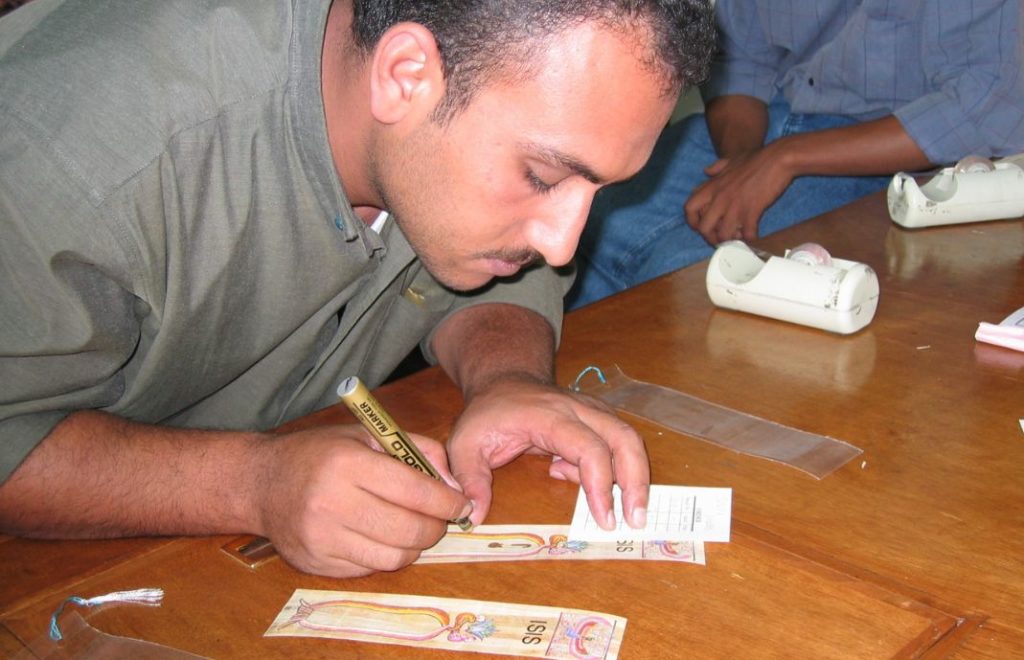
Dating back to the 14th century, this sprawling market is among the oldest and largest in the world. If you’re eager to test your bargaining skills, the narrow alleyways of Khan el-Khalili are your arena. Here, haggling isn’t just accepted – it’s expected. The merchants, ever persuasive, will insist that their goods (read: souvenirs) are of unmatched quality. Agree to the first price and you might even disappoint them – so settle in and enjoy the dance of negotiation. It’s all part of the charm.
Once you’ve picked up your pharaoh statues, goddess figurines, a shiny new gold trinket, a few bottles of fragrant Egyptian perfume, and perhaps a shisha pipe or two, it’s time to unwind.
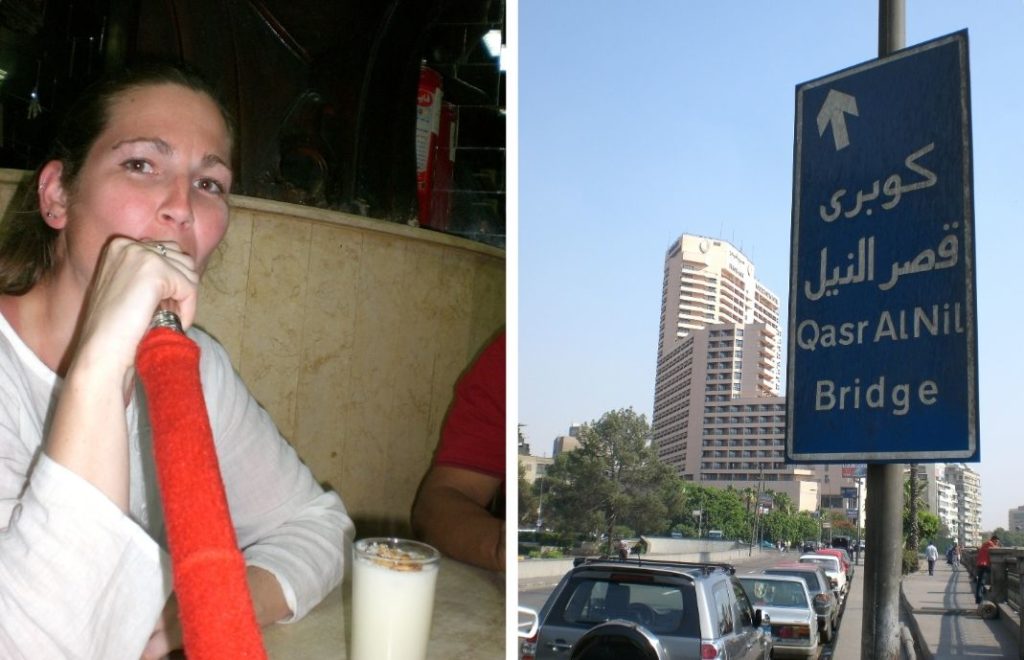
Head to one of the many cafés lining Hussein Square, where the buzz of the bazaar fades into the clink of teacups and laughter. Sip on fresh mint tea, a strong Egyptian coffee, or my personal favorite – sahlab. This rich, warm, velvety drink is made from powdered wild orchid tubers, topped with a hint of cardamom, and is pure comfort in a cup.
For the full local experience, pair your drink with a shisha – flavored tobacco offered in endless varieties -and feel time slow to the leisurely pace of Cairo life.
Khan el-Khalili is more than a marketplace. It’s a living museum, a cultural crossroads, and a feast for the senses – where every turn tells a new story.
Cairo’s spiritual side
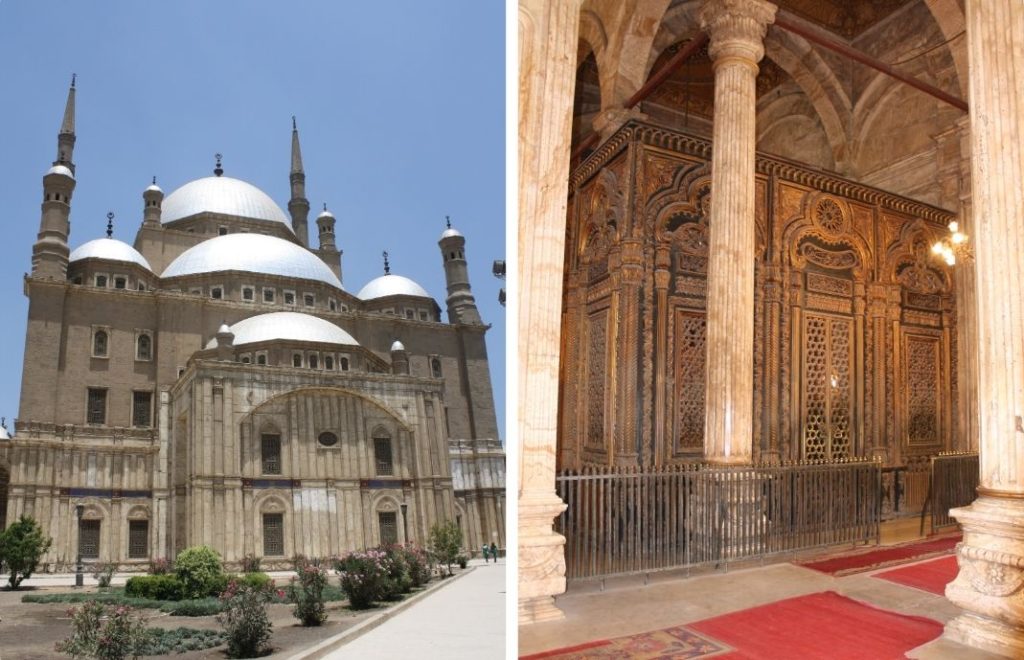
From the hustle of the souks and the chaos of traffic, your journey should next lead you to higher ground – the Citadel and the Mosque of Muhammad Ali.
Here, perched above the sprawling city, you’ll find one of Cairo’s most impressive vistas. The alabaster-covered mosque is a striking architectural gem, and the view from its courtyard is nothing short of breathtaking. As you gaze out over the endless sea of rooftops, it’s hard to grasp that nearly 20 million people call this city home. On a rare clear day, the silhouettes of the pyramids of Giza and Dahshur rise hauntingly through the haze – a reminder of just how much history surrounds you.
The mosque is the final addition to Saladin’s Citadel, the largest fortress in the Middle East. Begun in the 12th century, the Citadel was originally constructed to commemorate Saladin’s son, Tusun Pasha, and has long served as a symbol of strength and leadership.
Today, the Mosque of Muhammad Ali stands as one of Cairo’s most recognizable landmarks. With a central dome soaring 41 meters high and two slender minarets reaching 82 meters into the sky, its Ottoman-style silhouette dominates the cityscape.
And fittingly for Cairo, the mosque reflects a blend of cultures. Commissioned by Muhammad Ali – an Albanian-born ruler of Egypt – it was designed by the Greek architect Yusuf Bushnaq and modeled after the mosques of Istanbul. Unlike the simpler, older mosques of the city, its interiors are adorned with glittering chandeliers, gold leaf, and decorative flourishes that speak of a more cosmopolitan vision of Islam.
In a city layered with stories, the Citadel is where power, faith, and artistry converge – offering a quiet moment of reflection high above the roar of Cairo.
A museum of timeless treasures
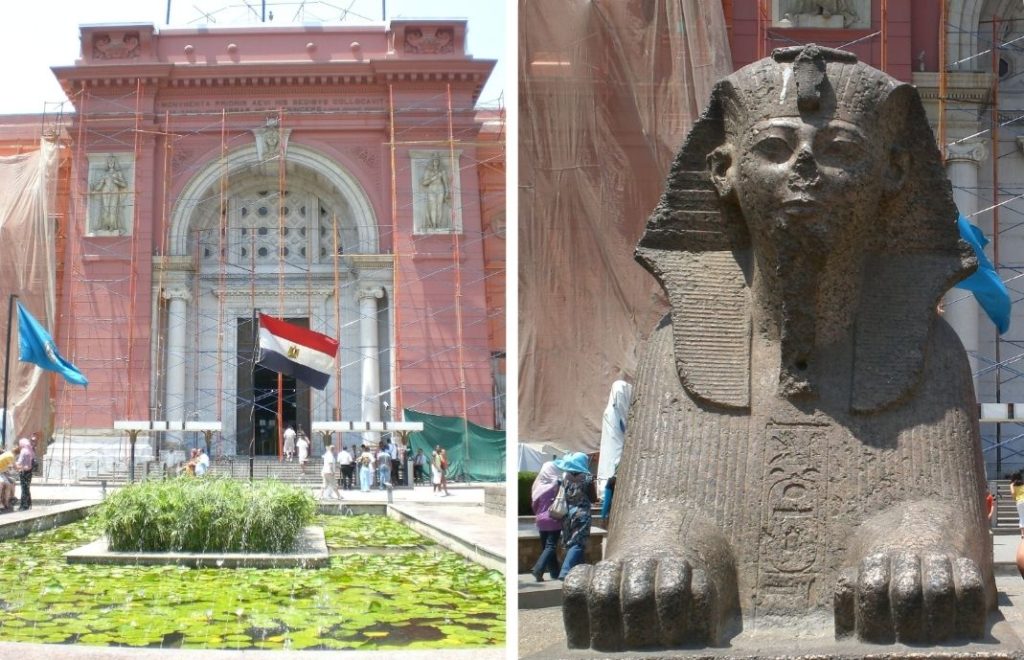
No visit to Cairo is complete without stepping into the heart of ancient splendor: The Egyptian Museum.
Within its walls, you come face to face with the great pharaohs – Ramses the Great, Seti I, and the golden boy-king Tutankhamun. His iconic death mask, gleaming with unmatched craftsmanship, is just one of countless wonders on display. The museum’s halls, corridors, and galleries are brimming with awe-inspiring relics, each whispering stories from the sands of time.
It’s easy to lose yourself in Egypt’s vast and layered history – dynasty after dynasty unfolding before your eyes. You’ll feel the pull to stop and marvel at every object, but with over 100,000 artifacts displayed across floors, walls, and glass cases, that’s simply impossible.
When I visited, the museum was located in the heart of Downtown Cairo, a historic institution buzzing with scholars, tourists, and the magic of discovery. But today, a new chapter is being written.
Rising in the shadow of the Giza pyramids is the Grand Egyptian Museum (GEM) – a state-of-the-art cultural landmark poised to become the largest museum in the world dedicated to a single civilization. Once its doors open, it promises to offer not just a collection, but a sweeping, immersive journey into the soul of ancient Egypt.
From gilded tombs to monumental statues, Cairo’s treasure troves offer a front-row seat to one of humanity’s most fascinating legacies – one you won’t soon forget.
When the Pyramids come alive at night
As evening falls, there’s no better way to end the day than with a tranquil sail on the Nile.
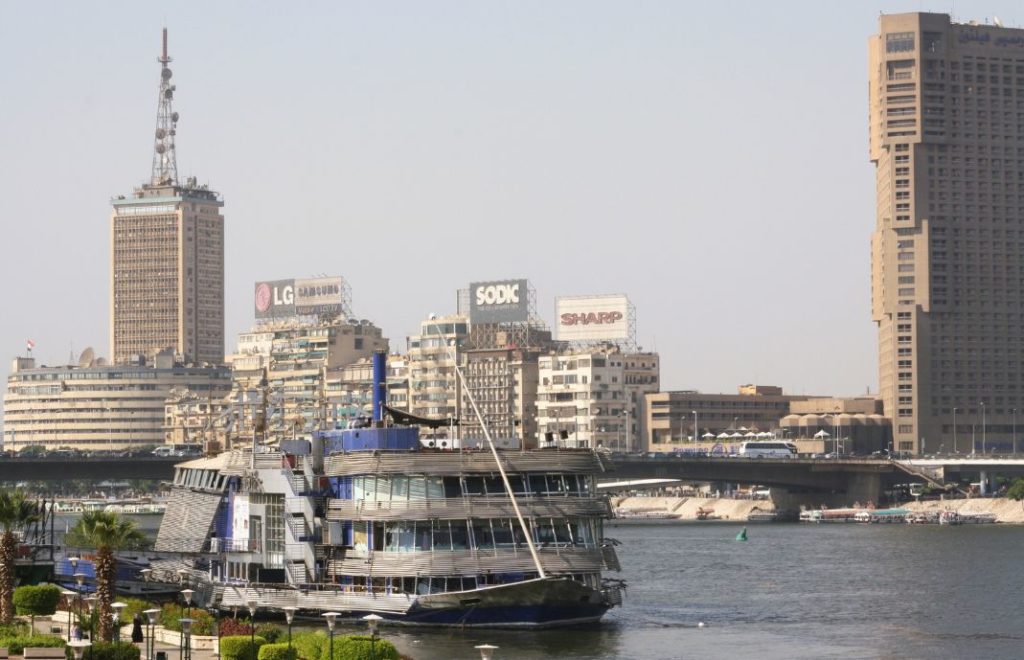
Along the riverbanks, feluccas – traditional wooden sailboats – line the docks, ready to carry you gently away from the chaos of Cairo. Gliding gracefully against the soft northern breeze, they navigate the broad stretch of the Nile between the islands of Roda and Zamalek, weaving in and out beneath the city’s bridges.
It’s a peaceful escape, a moment of stillness on Egypt’s eternal lifeline.
But the night holds one more marvel.
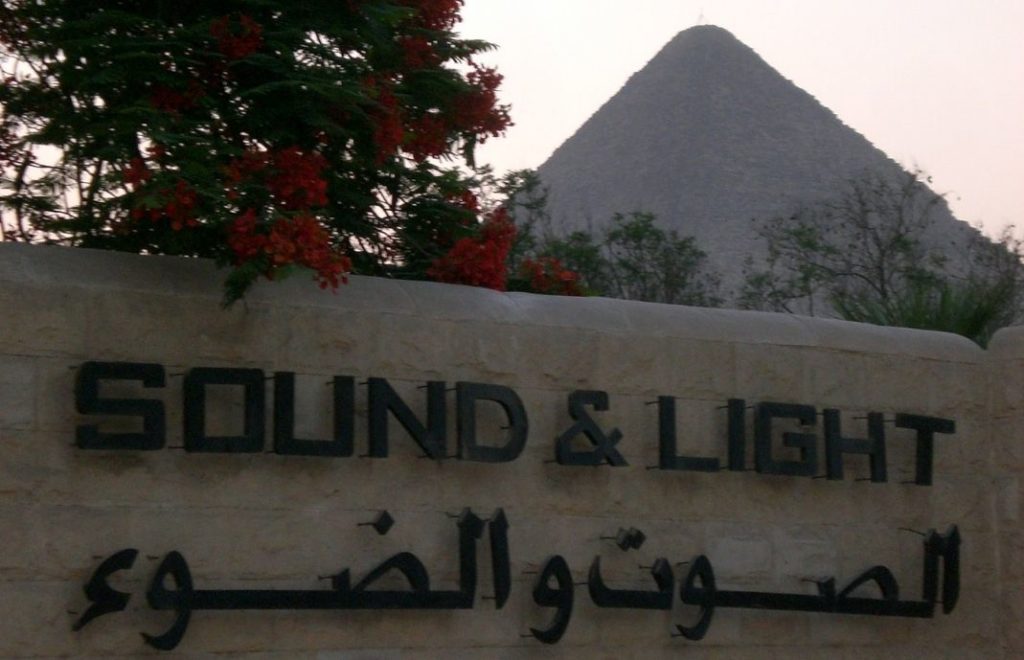
Don’t miss the Sound & Light Show at the pyramids.
If the pyramids are magical by day, they are nothing short of mesmerizing by night. As darkness cloaks the desert, the Great Sphinx awakens – its voice, provided by the legendary Egyptian actor Omar Sharif, echoes across the plateau.
Through vivid light displays and dramatic narration, you’re transported back thousands of years, as the tales of Khufu, Khafre, and Menkaure unfold against the illuminated faces of their eternal monuments.
In that moment, as the desert glows and the night air stirs with ancient voices, it feels as if you’ve stepped through a portal into pharaonic Egypt.
The pyramids don’t just stand still – they speak, shine, and live again.
The beating heart of Cairo
Cairo may not be one of the world’s most beautiful cities – but there’s something undeniably grand and deeply charming about it.
Venture out on foot and let the city unfold before you. Discover cozy local cafés tucked away in narrow alleys. Grab a shawarma or falafel sandwich for lunch, strike up a conversation with a curious shopkeeper, learn about Egypt’s Coptic Christians, and treat yourself to dinner in the rotating restaurant atop the Cairo Tower, watching the glowing city drift by beneath you.
“Cairo,” I tell the couple, “is a world of long shadows – cast by ancient greatness and cultural depth – intertwined with the glitter and bustle of the present day. It’s warm smiles and relentless street vendors, pharaohs and prophets, noise and nostalgia. Cairo is not like other cities.”
The couple exchange a smile, their eyes sparkling with anticipation.
“Would you be our guide during our three-day stay?” they ask.
Why not?
After all, I never tire of experiencing Cairo – with all its treasures – all over again.
Practical information before you visit Cairo
Cairo is a year-round destination, but be prepared – summer temperatures can soar to a scorching 40°C (104°F).
A long weekend is enough to experience the city’s highlights, though it will leave you wanting more.
Cairo International Airport lies about 20 kilometers from the city center. Depending on traffic – a wild and unpredictable beast – it can take anywhere from 15 minutes to over an hour to reach your hotel.
Taxis are black and white and do not use meters, so always agree on the fare before you get in.
Expect to spend a fair amount on entrance tickets. Most attractions require an admission fee, and the most iconic sites often charge an additional ticket for access to specific areas. For instance, at the Giza Plateau, you’ll need one ticket to enter the grounds and another if you want to venture inside one of the pyramids.
Shopping in the bazaars? Haggling is essential. Prices are never fixed, and the art of negotiation is part of the cultural experience.
The first Arabic word you should learn is “bakshish” – meaning tip. It’s expected almost everywhere, from porters and drivers to restroom attendants and helpful guides.
Photography is generally allowed at mosques, temples, and most tourist sites, though some may charge a fee. Check signs at the entrance. Museums usually forbid photography altogether. And if you want to photograph people, always ask first – it’s a simple gesture of respect.
Dress code? Technically, you can wear what you like. In practice, dressing modestly – especially in non-touristy areas – will make your experience smoother. For visits to mosques and churches, cover your shoulders and arms. Shorts are usually fine if they reach the knees. Women are often expected to cover their hair in religious spaces.
In short: pack patience, curiosity, and a light scarf. Cairo will meet you with heat, hustle – and a whole lot of heart.
More inspiration to Egypt:
The curse of the Pyramids
In the footsteps of the Pharaohs
The camel that staged a grand escape
A guide to Memphis
Saqqara – Where it all began
