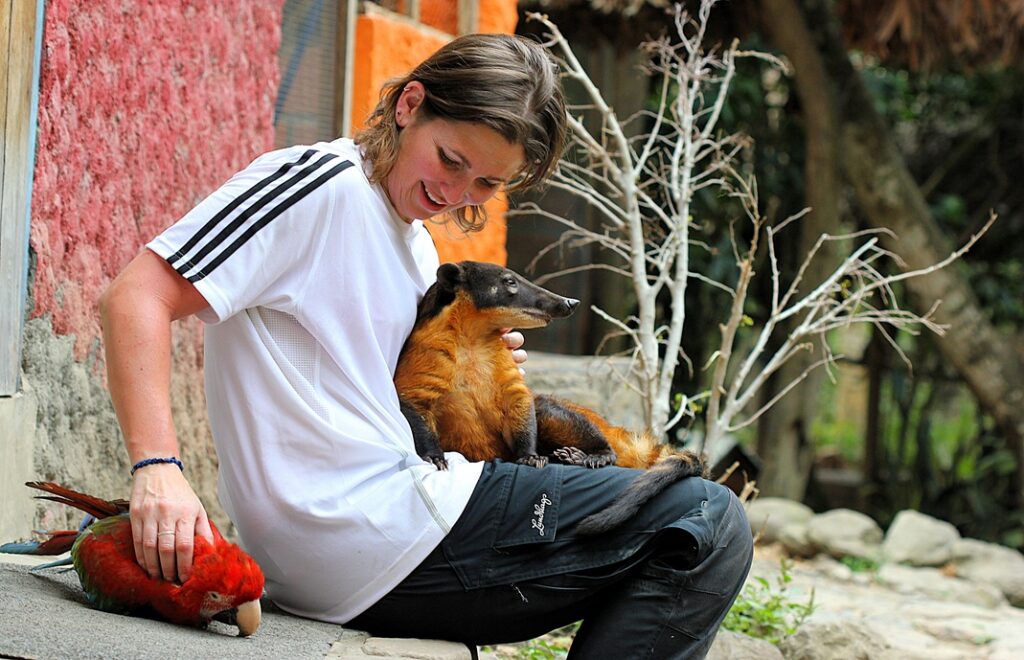
Over one million species are at the risk of extinction, with high-profile endangered animals including tigers, African wild dogs, orangutans, mountain gorilla, blue whale, Tasmanian devil, Komodo dragon and hawksbill sea turtle. Each year, new species are added to the list. That is a horrifying fact.
The future of our planet is written in the survival of the species we share it with – each one a thread in a delicate, irreplaceable web.
One of the most amazing parts of traveling is getting to enjoy the rare wildlife around the globe. Seeing these animals in their natural habitats is an incredible experience. But it is important to recognize the impact that humans have on these habitats and the creatures that call them home. From the quiet disappearance of forests to the fading calls of animals we may never see again, the loss is happening faster than we often realize.
But this story is not finished. Across the world, small, conscious choices made by individuals are helping to protect, restore, and defend what remains. Within that human influence lies the power to protect, restore, and choose a different path. A path where our presence no longer comes at the expense of wildlife.
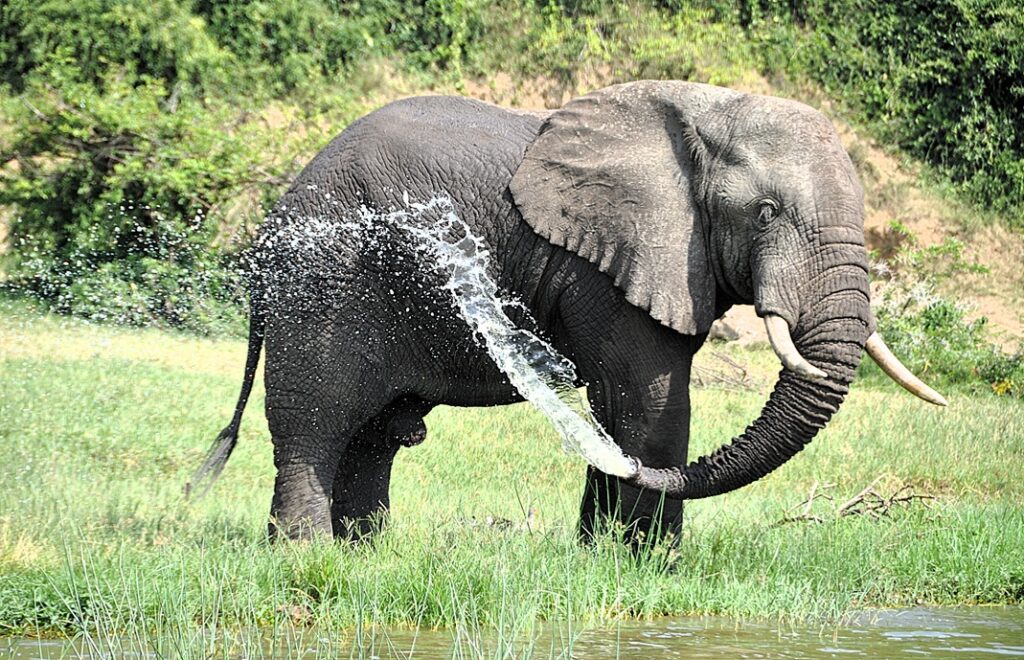
1. Get educated about the situation
Getting educated is one of the most powerful – and often underestimated – ways to protect endangered species. It goes far beyond simply knowing that certain animals are at risk. It’s about understanding why they are disappearing, how ecosystems are interconnected, and how human choices directly influence those outcomes. When you begin to see the full picture, from habitat destruction and illegal wildlife trade, the issue shifts from something distant to something personal.
Education also helps cut through misinformation. Not every “eco-friendly” product or conservation effort has a real impact. Without the right knowledge, it’s easy to support solutions that do little to help – or even cause harm. By learning from credible sources, conservation organizations, and scientific research, you become better equipped to make decisions that truly matter.
Just as importantly, being informed gives you a voice. It allows you to have meaningful conversations, raise awareness in your own circles, and advocate for better policies and protections. Change doesn’t only come from large organizations – it often starts with individuals who understand the stakes and refuse to stay silent.
In the end, education transforms concern into clarity, and clarity into action. Because once you truly understand what’s at risk, doing nothing is no longer an option.
2. Speak up for those who have no voice
Advocating for endangered species means turning awareness into influence – using your voice to stand up for those that cannot speak for themselves. While education builds understanding, awareness is also important.
Don’t be afraid to advocate for our wildlife. Push that understanding into the world. One small decision can affect wildlife on a much larger scale than you think. It can be as simple as supporting conservation organizations, signing petitions, or raising awareness through conversations and social media. But it can also extend to engaging in policies, voting for environmental protection, and holding companies and governments accountable.
What makes advocacy so powerful is its ripple effect. One informed voice can spark many others, gradually shifting public opinion and, ultimately, political will. Today our wildlife has a lot more protection because some people refuse to stay silent. They demanded change, stronger laws, and better stewardship of natural spaces.
Speaking up for wildlife is everyone’s responsibility, not solely scientists and conservationists. It is everyone’s responsibility to recognize the value of preserving life beyond our own. By speaking up, you help ensure that endangered species are not overlooked or forgotten but remain part of the future.
More inspiration: Lara Mostert – A fierce advocate for the voiceless
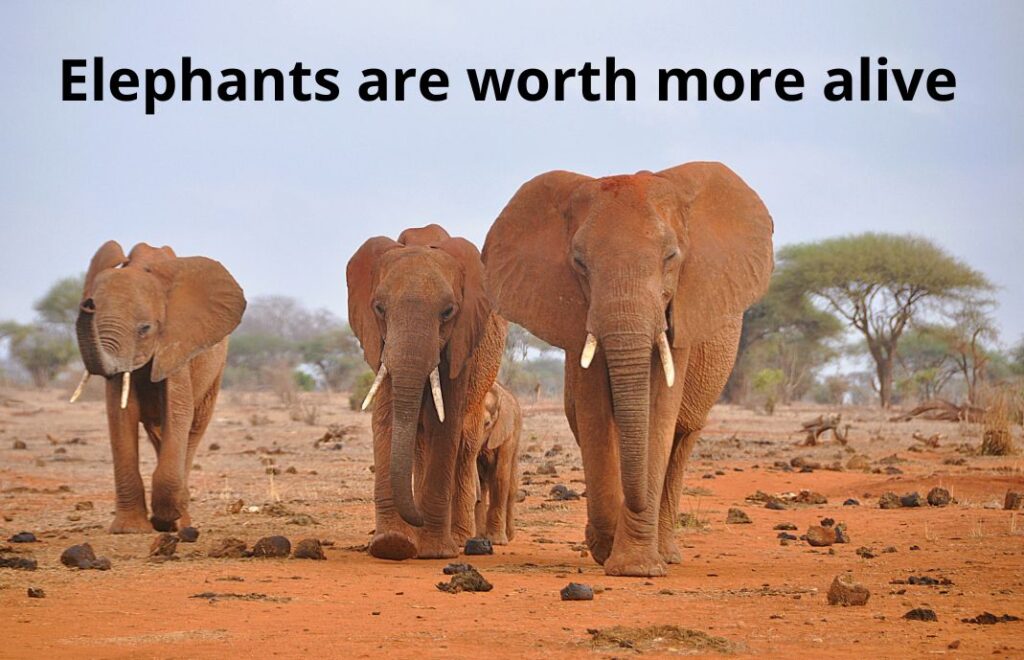
3. NEVER participate in activities that exploit animals
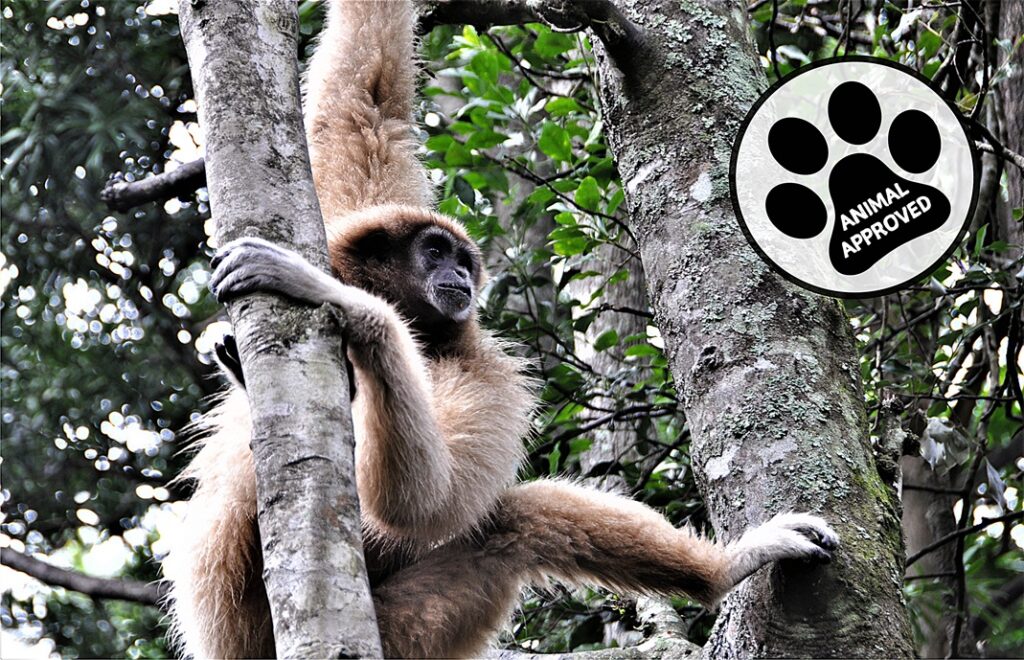
Refusing to participate in activities that exploit animals is one of the clearest ways to take a stand for endangered species. Sadly, there are still far too many operators offering close encounters with wildlife. Such activities include riding wild animals, cuddling a lion cub, walking along a full-grown lion, or posing for a photo with a monkey on your shoulder.
While they may be marked as harmless or even education, the truth is much darker. These animals have endured unimaginable suffering – beatings, starvation, and abuse – physical and mental.
By choosing NOT to support these activities, you help reduce the demand that keeps them in business. It’s a simple but powerful shift: every ticket not bought, every experience declined, sends a message about what is – and isn’t – acceptable. Instead, seek out ethical alternatives, such as responsible wildlife sanctuaries or observing animals in their natural habitats.
This also encourages a deeper respect for wildlife. Animals are not props for entertainment or social media. They are living beings with complex behavior and needs. Drawing that line, and sticking to it, is a meaningful step toward a world where wildlife is valued for what it is, not for how it can be used.
More inspiration: Animal experiences you should NEVER take part in
4. Understand the products you use
Many items we buy, from food and cosmetic to furniture and fashion, can be linked to deforestation, habitat destruction, or the exploration of wildlife. Palm oil, unsustainably sources wood, certain seafood, and even exotic animal-derived ingredients can all contribute to the pressure placed on already vulnerable species. And never use products tested on animals.
Understanding the products you use is a powerful, everyday way to protect endangered species – often without changing your routine as much as you might think.
Take the time to look a little closer at the products. Read the label, research brands, and choose certified or sustainable sourced products. It can make a real difference. It shifts your role from passive consumer to conscious participant, someone who understands that every purchase carry weight. Supporting companies that prioritize ethical practices also encourages wider change. It shows that there is demand for products that do not come at the cost of wildlife.
The more you understand what’s behind the things you use every day, the easier it becomes to make choices that align with protecting the natural world rather than quietly contributing to its loss.

5. Recycle
Recycling may seem like a small, everyday habit, but its impact reaches far beyond our homes. It plays a quiet yet important role in protecting endangered species. When waste isn’t properly managed, it often ends up in natural habitats, polluting oceans, forests, and landscapes that wildlife depends on to survive.
Plastic, in particular, poses a serious threat, harming animals through ingestion, entanglement, and the gradual destruction of ecosystems.
By recycling correctly and reducing waste where possible, you help limit the demand for raw materials. That again reduces the need for activities like mining, logging, and land clearing – major drivers of habitat loss. It also means less pollution entering the environment in the first place, creating safer spaces for wildlife to live and thrive.
Recycling isn’t a complete solution on its own, but it’s a meaningful step in a much larger picture. It’s a reminder that even simple, consistent actions can help ease the pressure we place on the natural world. And give endangered species a little more room to exist.
6. Help conserve water
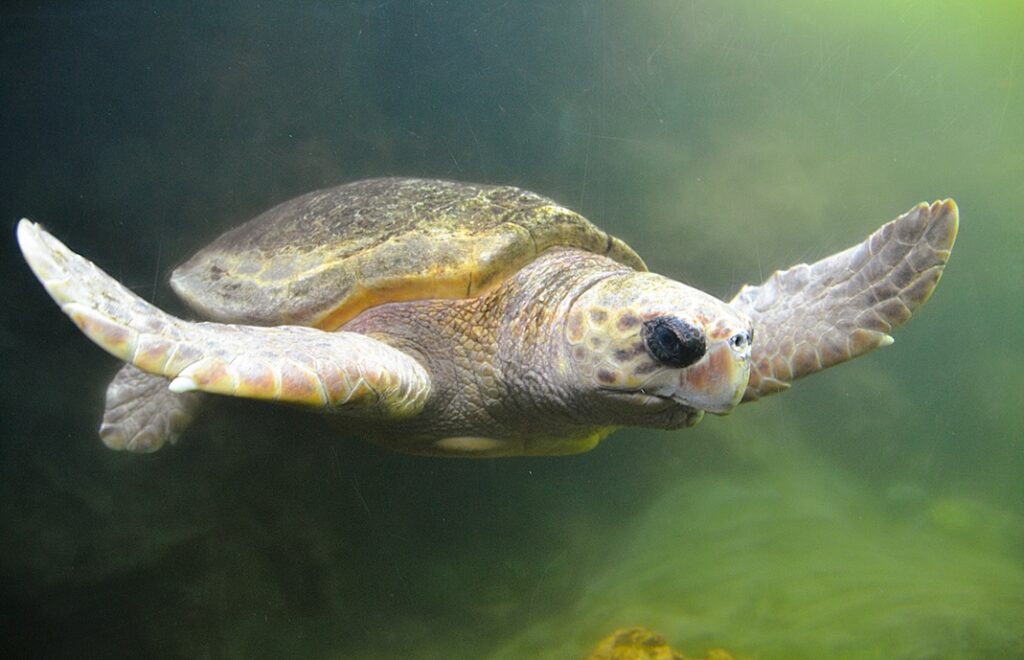
Water is one of the most vital – and most overlooked – resources when it comes to protecting endangered species. Rivers, wetlands, and oceans are not just bodies of water. They are entire ecosystems that countless species depend on for survival. When water is overused, polluted, or diverted, it disrupts these fragile environments. The consequences are often devastating for wildlife already under pressure.
By conserving water in your daily life, whether through shorter showers, mindful consumption, or reducing waste, you help ease the strain on these ecosystems. Less water use means less extraction from natural sources and less energy required for treatment and transport, both of which contribute to environmental stress.
It’s a simple shift in awareness, but one that carries real impact. Because every drop saved is a small step toward preserving the habitats that so many species call home. It helps ensure those environments remain alive and balanced.
7. Volunteer
Are you ready to go out there and make a real difference?
Volunteering is one of the most direct and meaningful ways to support endangered species, turning good intentions into tangible impact. Around the world, conservation organizations rely on people willing to give their time and get hands-on.
There are so many ways to volunteer across the globe. You can restore habitats, support wildlife rehabilitation, participate in research, or assist with community education programs. These efforts may seem small on their own, but together they form the backbone of many conservation successes.
What makes volunteering especially powerful is the connection it creates. It’s a wonderful way to get up close to some of the world’s most endangered animals. You get to help the animals. While doing so, you are transforming abstract concern into real, lived experiences. Not only do you get to see the challenges firsthand, but also the progress that comes from dedicated care and effort.
Even if you can’t travel far, local opportunities often exist, from environmental clean-ups to supporting conservation groups in your own area. In giving your time, you’re not just helping wildlife – you’re becoming part of a wider movement working to protect what cannot be replaced.
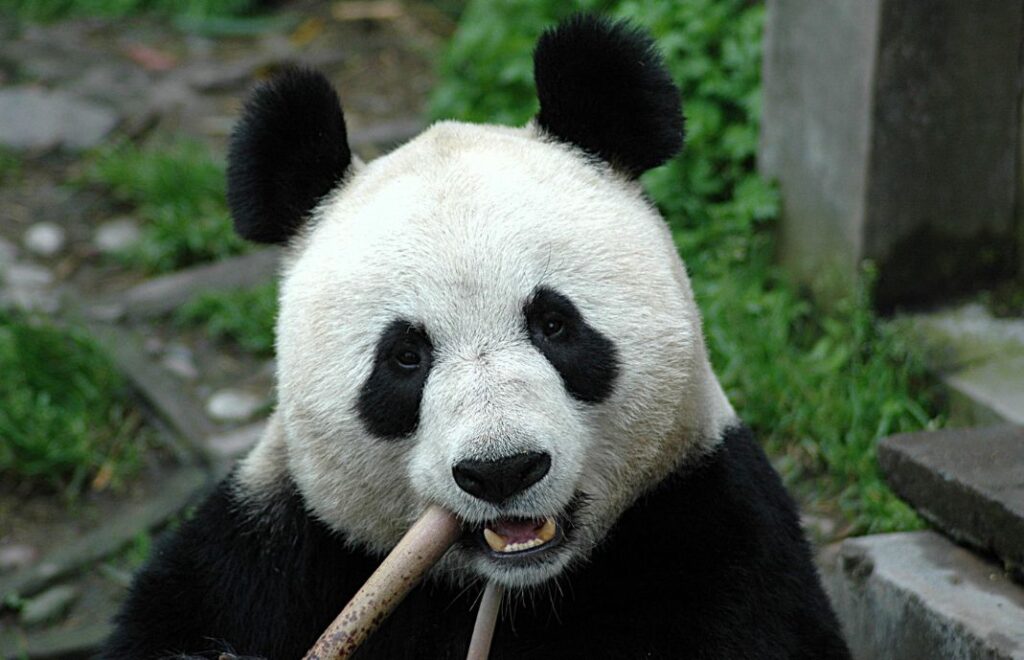
More inspiration: Volunteering with pandas
8. Support organizations
One of the most effective ways to protect endangered animals on a larger scale is supporting conservation organizations. These groups work on the front lines – protecting habitats, rescuing wildlife, conducting research, and advocating for stronger environmental laws. While individual actions matter, organizations have the reach, expertise, and resources to create lasting, systemic change.
By donating, becoming a member, or even simply raising awareness about their work, you help provide the funding and visibility they need to continue. Every contribution – no matter the size – supports efforts that would be difficult to achieve alone. This can be anything from safeguarding entire ecosystems to fighting illegal wildlife trade.
Make sure you choose reputable organizations because this ensures your support goes where it’s truly needed. In backing the people and initiatives already dedicated to this cause, you amplify their impact and help protect the most endangered species.
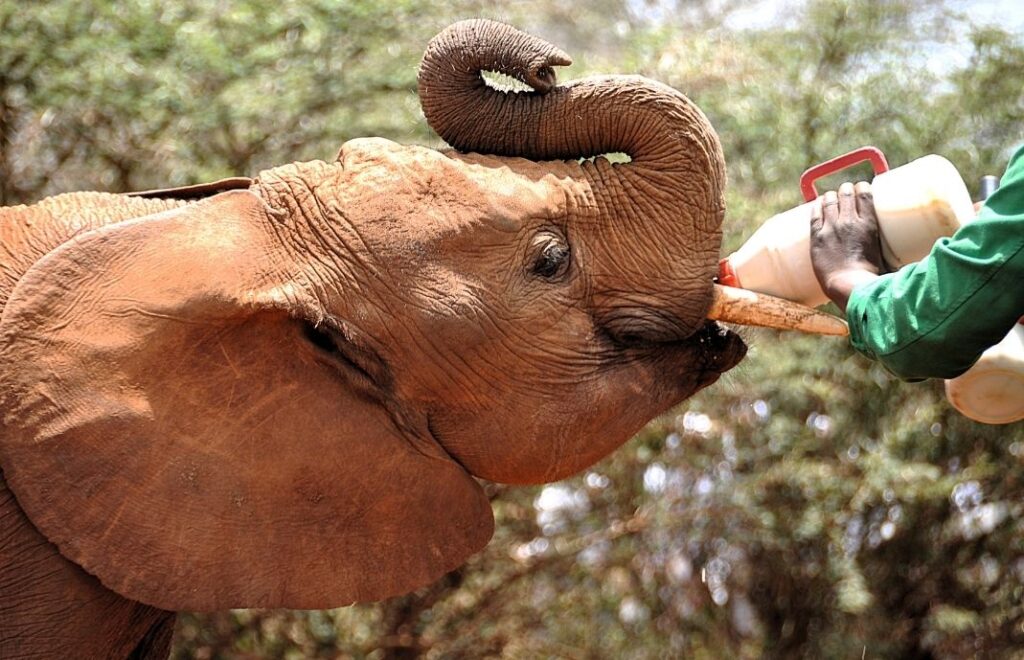
9. Be kind to animals – always
Kindness toward animals may sound simple, but it’s a mindset that shapes every interaction we have with the natural world. Whether it’s how we treat pets, wildlife, or even the smallest creatures we encounter, these everyday choices reflect a deeper respect for life beyond our own.
Being kind means avoiding harm whenever possible. It can be choosing not to disturb wildlife, not to support cruelty, feed a stray, and to act with awareness in spaces we share with other species. It’s about recognizing that animals are not resources or inconveniences but living beings with their own place in the world.
When kindness becomes a constant, not an exception, it naturally guides better decisions. And in a world where human impact is so often the cause of harm, choosing compassion – every time – is one of the most powerful ways to begin changing that story.