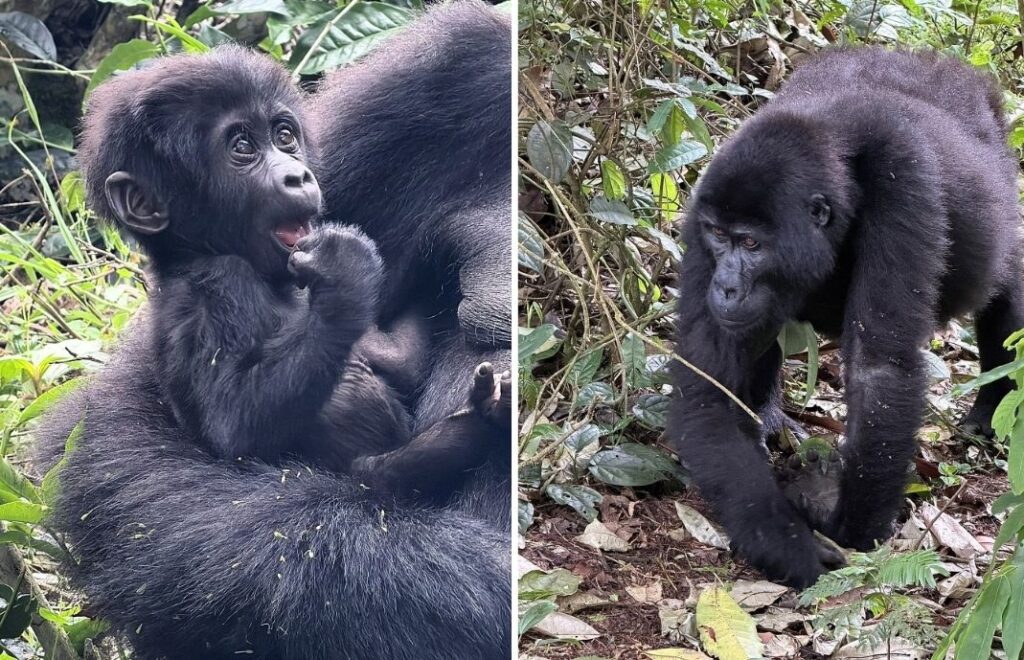
Do you know that mountain gorillas are one of the animals that face a constant threat of extinction?
Mountain gorillas are among the most powerful and unforgettable animals on Earth, yet they are also among the most vulnerable. Found only in the forested mountains of Central and East Africa, these gentle giants live in a fragile world where every acre of habitat matters.
Even though mountain gorillas have seen a rise in population over the past 20 years, the International Union for Conservation of Nature (IUCN) still considers them an endangered species. Their endangered status is not caused by one single threat, but by a combination of pressures. Because they live in such a limited range, even small changes to their environment can have serious consequences.
At the same time, the story of the mountain gorilla is also one of hope. Thanks to conservation work, protected parks, responsible tourism, and local communities, mountain gorilla numbers have slowly increased in recent years. Their future is still delicate, but their survival shows what can happen when people choose to protect the wild places we share.
Why are mountain gorillas endangered?
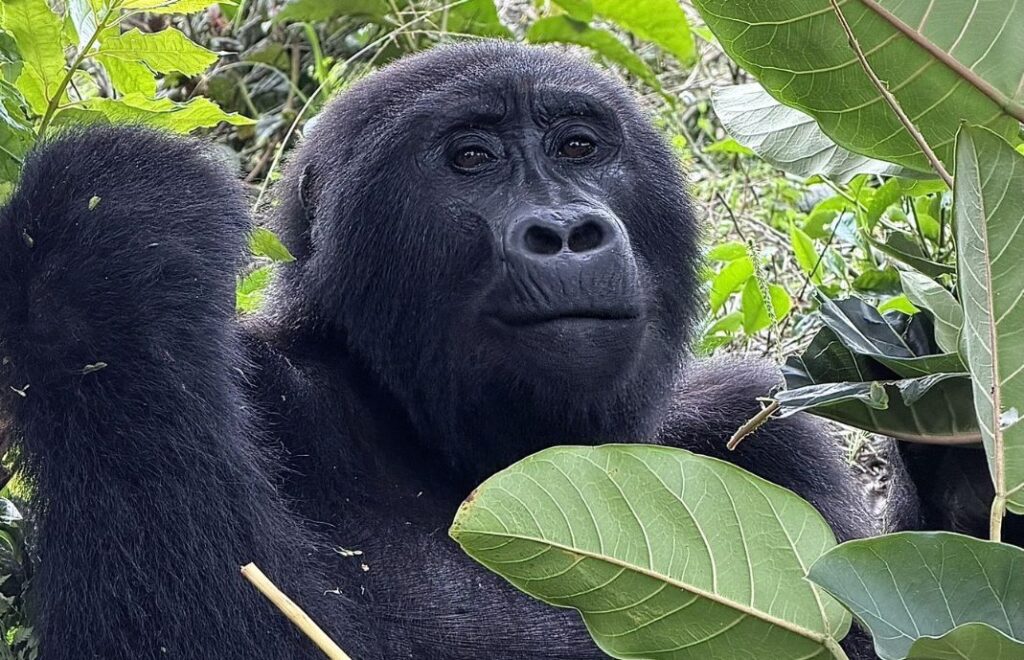
1. Habitat loss
One of the biggest reasons mountain gorillas are endangered is habitat loss. These gorillas live in a very small part of the world, mainly in the forests of the Virunga Mountains and Bwindi Impenetrable National Park. Because their natural range is so limited, they have very little space to move if their habitat is damaged or disturbed.
This is even more serious because mountain gorillas cannot survive in the captive environments of zoos. This was tried in the 1970s and it failed at every turn. What this means is that, without their habitat, gorillas will become extinct.
As human populations grow around these protected areas, land is needed for farming, settlements, roads, and daily resources such as firewood. This puts pressure on the forests that mountain gorillas depend on for food, shelter, and safety.
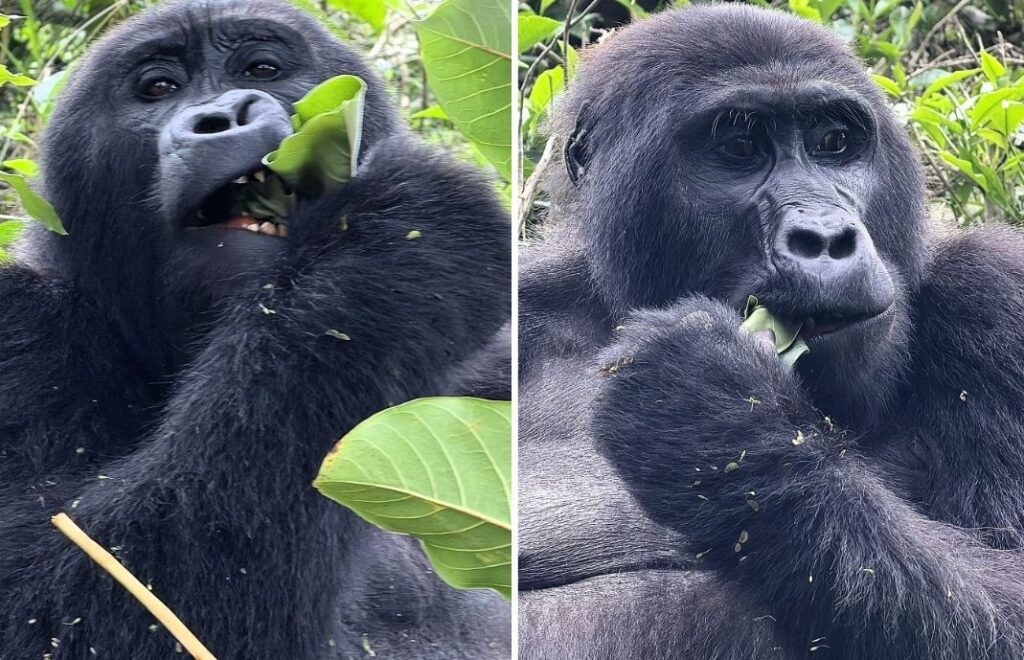
Unlike some animals that can adapt easily to new environments, mountain gorillas need dense, healthy forests to survive. They feed on leaves, shoots, stems, fruit, and other vegetation found in these mountain habitats. When forest areas shrink or become fragmented, gorilla groups may have less food and less room to roam.
Habitat loss also increases the chances of contact between gorillas and people. This can lead to crop raiding, conflict, disease transmission, and stress for both wildlife and local communities. Protecting the forests is therefore not only important for mountain gorillas, but also for the people living nearby.
The survival of mountain gorillas depends on keeping their habitat intact. Every protected forest, restored area, and conservation effort helps give these remarkable animals the space they need.
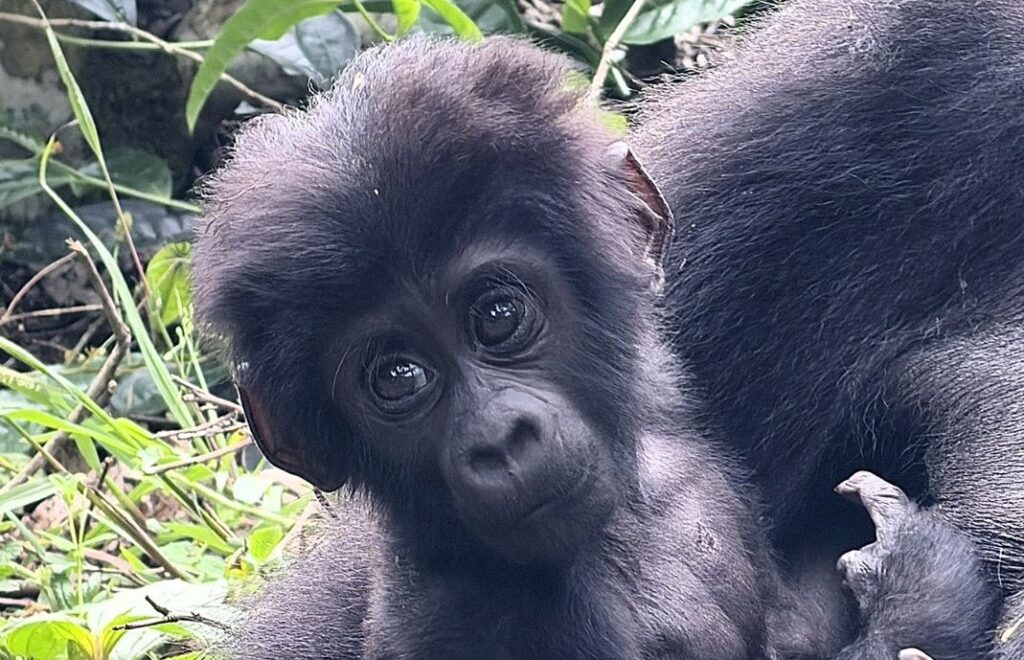
2. War and instability
War and political instability have also played a serious role in the struggle to protect mountain gorillas. These gorillas live in a region where human conflict has, at times, affected national parks, conservation work, and the communities living around protected forests.
When conflict reaches gorilla habitat, the risks increase quickly. Park rangers may not be able to patrol safely, conservation projects can be interrupted, and protected areas may become harder to manage. In times of instability, forests may also face more pressure from illegal hunting, logging, mining, or people entering the park in search of safety and resources.
Mountain gorillas are not usually hunted for food, but they can still suffer indirectly from conflict. They may be caught in snares set for other animals, disturbed by human movement, or pushed into stressful situations when their habitat becomes unsafe. In some cases, rangers and conservation workers have risked their lives to protect gorilla families during difficult periods.
This makes mountain gorilla conservation about more than wildlife alone. It also depends on peace, stable communities, strong park protection, and support for the people who live near the forests. When the region is safer, both gorillas and local communities have a better chance to thrive.
The story of mountain gorillas shows how closely nature and human life are connected. Protecting them means protecting their forests, supporting conservation teams, and recognizing that wildlife can only survive when the landscapes around them are safe too.
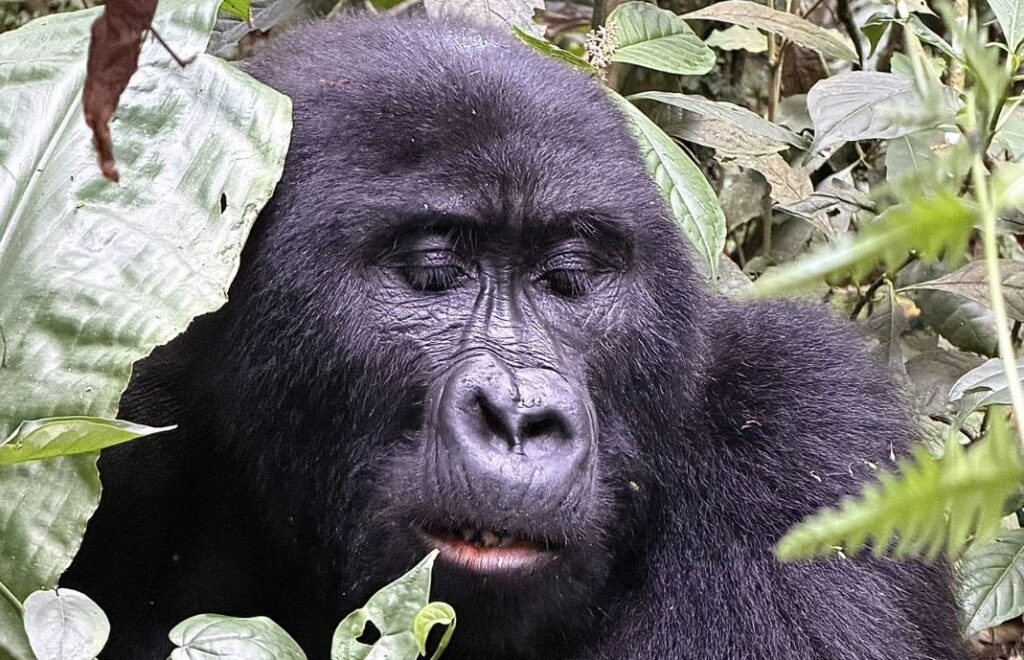
3. Poaching
Poaching is another reason mountain gorillas have been endangered, although they are not usually targeted in the same way as some other wild animals. Mountain gorillas are rarely hunted for meat today, but they can still become victims of illegal activity in the forest.
One of the biggest dangers comes from snares set for other animals, such as antelopes or bush pigs. A gorilla may accidentally step into one of these traps, causing serious injury, infection, or even death. Young gorillas are especially vulnerable, but adults can also be badly harmed while trying to free themselves.
In the past, mountain gorillas were also threatened by capture for the illegal wildlife trade. Infant gorillas were sometimes taken, often with devastating consequences for the rest of the group, as adult gorillas would defend their young fiercely.
Today, stronger protection, ranger patrols, veterinary care, and conservation efforts have reduced many of these threats, but poaching has not disappeared completely. It remains a risk wherever poverty, illegal hunting, and pressure on natural resources overlap with gorilla habitat.
Protecting mountain gorillas from poaching means protecting the entire forest ecosystem. It also means supporting local communities, so that conservation benefits the people living closest to the parks. When wildlife protection and community work together, gorillas have a much better chance of survival.
4. Diseases
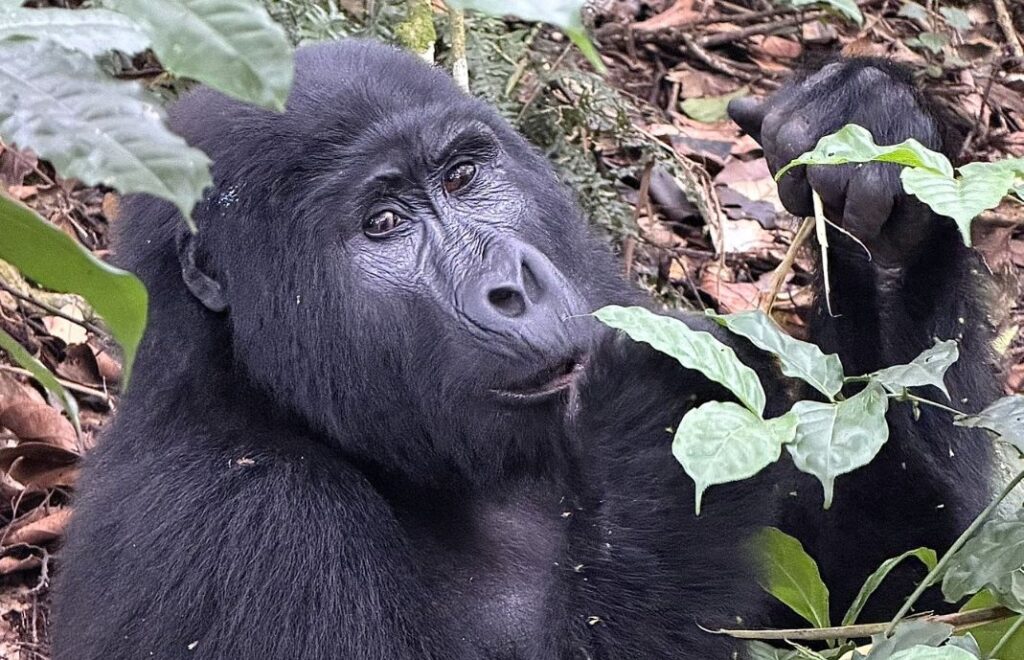
Disease is one of the most serious threats to mountain gorillas, especially because they are so closely related to humans. Many illnesses that affect people can also affect gorillas, including respiratory infections, which can spread quickly within a gorilla family.
This risk becomes greater when gorillas live near human communities or are visited by tourists, researchers, and conservation teams. Even a simple cold can be dangerous for a wild gorilla, particularly for infants, older animals, or individuals that are already weak.
Because of this, strict rules are in place during gorilla trekking. Visitors must keep a safe distance, wear a face mask, avoid trekking when sick, and follow the instructions of guides and rangers. These rules may seem simple, but they are incredibly important for protecting the health of the gorillas.
Veterinary teams also play a vital role in mountain gorilla conservation. In some cases, they monitor sick or injured gorillas and provide medical care when human-related threats are involved, such as snare injuries or disease outbreaks.
Protecting mountain gorillas from disease is about responsibility. Every visitor, ranger, researcher, and local community member has a part to play. By keeping gorillas safe from human illness, we help protect one of the world’s most remarkable and vulnerable animals.
5. Human-wildlife conflict
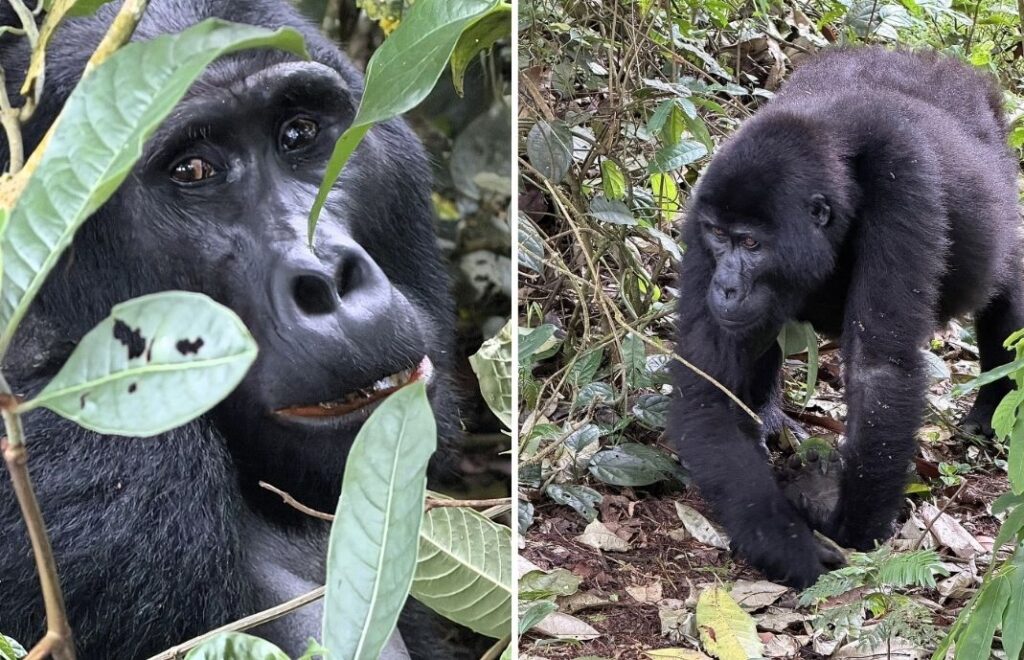
Human-wildlife conflict is another challenge for mountain gorilla conservation. As people live and farm close to protected forests, the boundary between human land and gorilla habitat can become very narrow. In some areas, gorillas may move near farms in search of food, especially when their natural habitat is under pressure.
When wildlife damages crops, it can create frustration and financial stress for local communities. For families who depend on small farms, losing crops is not a small inconvenience – it can affect food, income, and daily life. This is why conservation must also consider the needs of the people living near gorilla habitats.
Human-wildlife conflict can also put gorillas at risk. More contact with people increases the chance of stress, disease transmission, and negative encounters. Even when gorillas are not aggressive, their size and strength can make close contact dangerous for both humans and animals.
The best solutions are those that protect gorillas while supporting local communities. Buffer zones, crop protection methods, tourism income, education, and community-led conservation can all help reduce conflict. When people benefit from protecting gorillas, the relationship between wildlife and nearby communities becomes much stronger.
Mountain gorillas cannot survive without safe forests, but conservation cannot succeed without the support of local people. Finding that balance is one of the most important parts of protecting these gentle giants for the future.
Conservation of mountain gorillas
Although Mountain gorillas are endangered, their story also carries real hope. Thanks to decades of dedicated conservation work, their population has slowly increased, proving that protection can make a difference.
The survival of the mountain gorilla is one of Africa’s most inspiring conservation stories. It shows that even highly threatened animals can recover when people, parks, and communities work together with a shared purpose.
1. Extensive research and monitoring
One of the most important reasons mountain gorilla conservations has seen progress is the close research and monitoring carried out by scientists, rangers, and conservation teams. Gorilla families are carefully observed over time, allowing experts to understand their behavior, health, movements, births, and group dynamics.
This long-term monitoring helps conservationists respond quickly when problems appear, such as illness, injury, snare wounds, or changes in habitat use. It also provides valuable knowledge about what mountain gorillas need to survive and how best to protect them.
Research has turned mountain gorilla conservation into a highly informed effort rather than guesswork. By knowing individual gorillas, following family groups, and tracking population trends, conservation teams can make better decisions for the future of these remarkable animals.
2. Community tourism programs
Community tourism programs are a vital part of mountain gorilla conservation. When local people benefit from protecting gorillas, conservation becomes more than a rule from outside. It becomes something that supports daily life.
Gorilla tourism creates jobs for guides, rangers, porters, drivers, lodge staff, craft makers, and local businesses. In many areas, tourism income also helps support schools, health services, roads, and community projects. This gives nearby communities a stronger reason to protect the forests rather than see them only as land for farming or resources.
These programs also help reduce conflict between people and wildlife. When communities feel included, respected, and rewarded, the relationship between conservation and local life becomes much stronger.
In the end, mountain gorillas cannot be protected by fences and patrols alone. Their future depends on people living near the forests seeing value in their survival – and community tourism helps make that possible.
3. Human-wildlife buffers
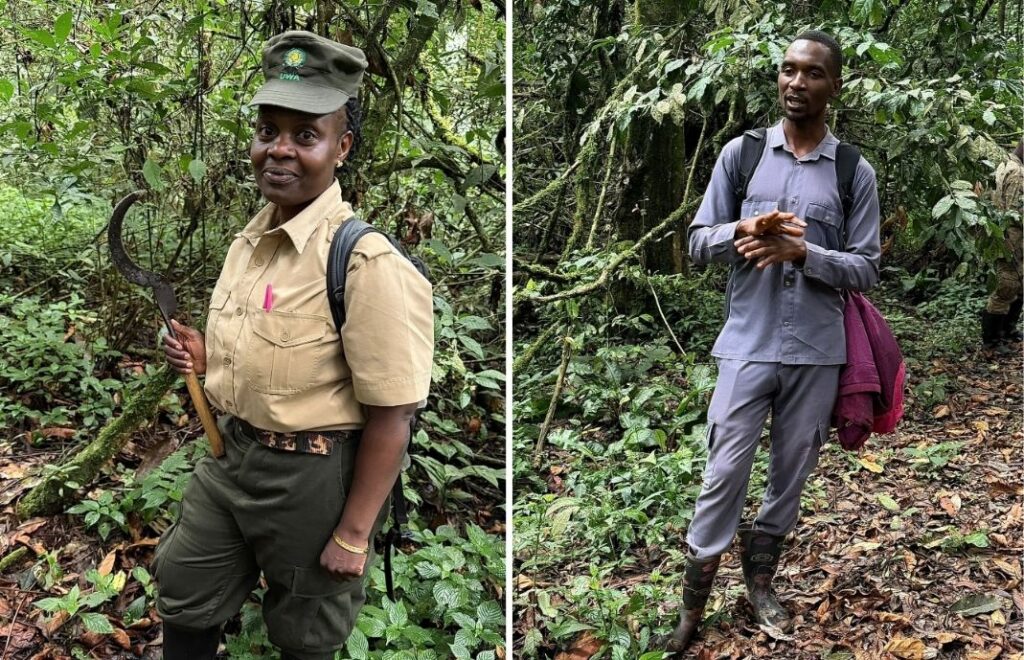
Human-wildlife buffers are an important way to protect both mountain gorillas and the people living near their habitat. In places where farms and villages border protected forests, buffer zones help create a safer space between wildlife areas and community land.
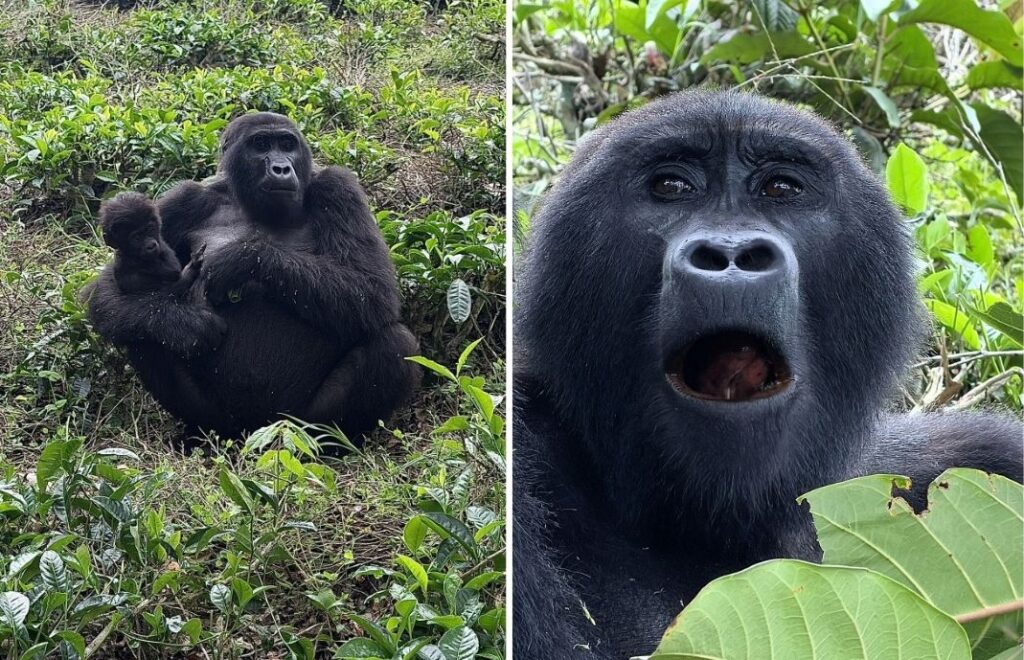
These buffers can include tea plantations, natural vegetation, trenches, fences, or other carefully planned barriers that discourage gorillas from entering farms. This helps reduce crop damage, which is one of the main causes of tension between local communities and conservation areas.
When conflict is reduced, people are less likely to see gorillas as a threat to their livelihoods. At the same time, gorillas face fewer risks from close contact with humans, including stress, injury, and disease transmission.
Human-wildlife buffers may not sound as dramatic as ranger patrols or veterinary rescues, but they are a practical and powerful part of conservation. They help protect the delicate boundary where wild forests and human lives meet.
4. Gorilla tourism
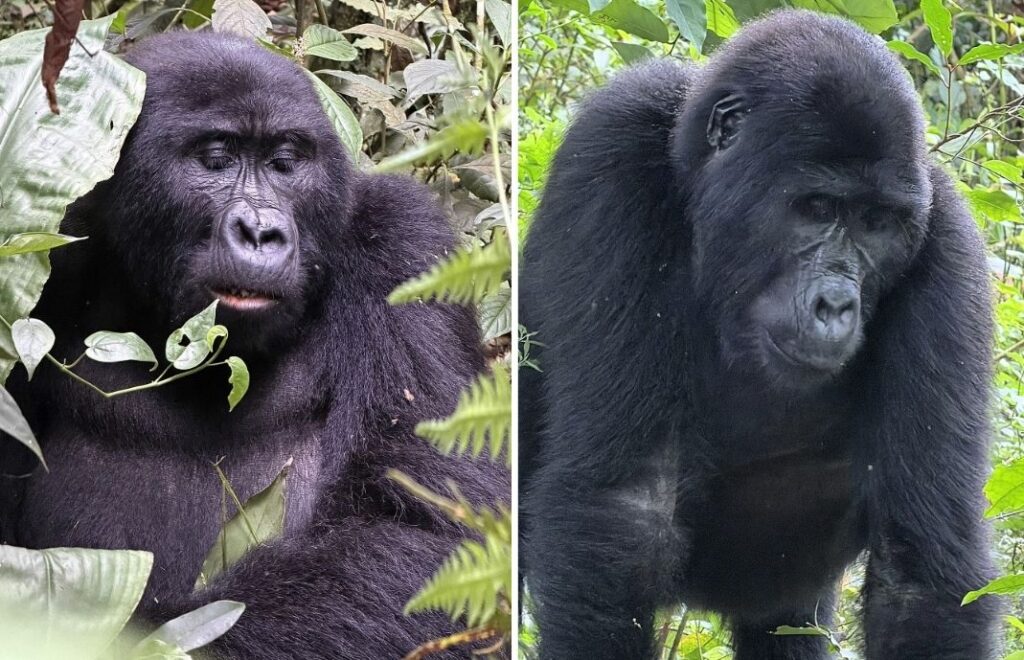
Gorilla tourism has become one of the strongest tools for protecting mountain gorillas. When carefully managed, it brings vital income to national parks, conservation projects, and nearby communities, helping turn the survival of gorillas into something with real value for people as well as wildlife.
Permit fees help fund ranger patrols, habitat protection, veterinary care, research, and anti-poaching work. At the same time, gorilla tourism creates jobs for guides, porters, lodge staff, drivers, and local businesses. This means that many people living near gorilla habitats can benefit from conservation in a direct and meaningful way.
The experience is also powerful for travelers. Spending time with mountain gorillas often creates a deep emotional connection, making people more aware of how fragile and important these animals are. Responsible tourism does not only support conservation financially – it also helps tell the story of why mountain gorillas are worth protecting.
Gorilla tourism must always be controlled, respectful, and carefully limited. But when done well, it becomes a rare example of travel helping wildlife, forests, and local communities moving toward a more hopeful future.
More inspiration
Gorilla trekking in Bwindi Impenetrable National Park
A guide to Gorilla Trekking