
South Africa is a land of magic and contrast – a country brimming with adventure, wild beauty, and cultural richness. With so many places to visit and experiences to savor, it’s easy to feel overwhelmed. That’s why careful planning is key to making the most of your journey.
The first thing to consider is: What kind of holiday do you want?
I’m the type of traveler who wants to experience as much as possible. The original plan was a 12-day road trip through the Rainbow Nation, as South Africa is affectionately known.
But once we listed everything we wanted to see and do… the itinerary grew.12 days quickly turned into 18 (not counting flight days). And even then, we had to make some tough choices and leave out several amazing experiences!
Covering 18 full days of adventures in one post would be a stretch, so this article gives you a brief overview of each day, complete with practical tips and links to detailed blog posts for those who want to dive deeper.
South Africa is like a treasure chest of discovery, and there’s no better way to explore it than behind the wheel – with the open road ahead and endless adventure around every corner.
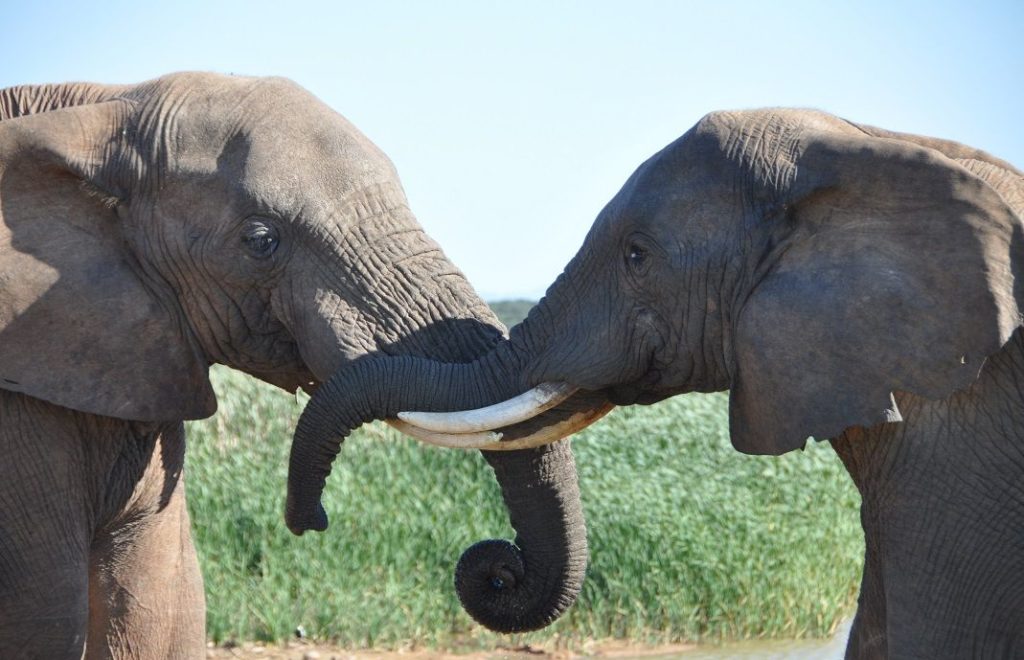
Day 1: Arrival in Cape Town – A foggy start to a Grand Adventure
As fate would have it, our flight landed in Cape Town behind schedule – of course. But passport control was a breeze. Picking up the rental car? Not so much.
We’d already booked tickets to Table Mountain, so there was no time to waste. We jumped into the car and made a beeline for Cape Town’s most iconic natural wonder, hoping to ride the famous cableway up and down before closing time at 18:00.
Towering over the city at more than 1,000 meters, Table Mountain is often referred to as South Africa’s natural masterpiece – a landmark as awe-inspiring as it is symbolic.
The skies were brilliantly blue, and optimism was sky-high. A two-to-three-minute ride in the rotating cable car promised breathtaking views at the summit.
But halfway up? Everything changed.
A thick blanket of fog swept in, fast and unforgiving. Suddenly, we were wrapped in a gray, chilly haze, with heavy raindrops and bone-deep cold. The panoramic views we had dreamed of? Gone.
The wind picked up. The rain fell harder. Shivering and soaked, we quickly realized we weren’t alone in wanting to head back down. The queue for the descent was massive, a slow-moving line of disappointed but still-determined travelers.
Eventually, back on solid ground and somewhat drier, it was time to check into our first night’s accommodation: the delightfully quirky Grand Daddy Hotel, known for its rooftop Airstream trailers and creative flair.
Good to know
Experience: Table Mountain
Driving Distance: 25 km (Cape Town Airport to Table Mountain and city center)
Accommodation: The Grand Daddy – fun, stylish, and unlike anywhere else
Even if the weather had other plans, Cape Town greeted us with drama, character, and a story we won’t soon forget.
More inspiration:
Table Mountain – When the fog comes
Check-In: The Grand Daddy
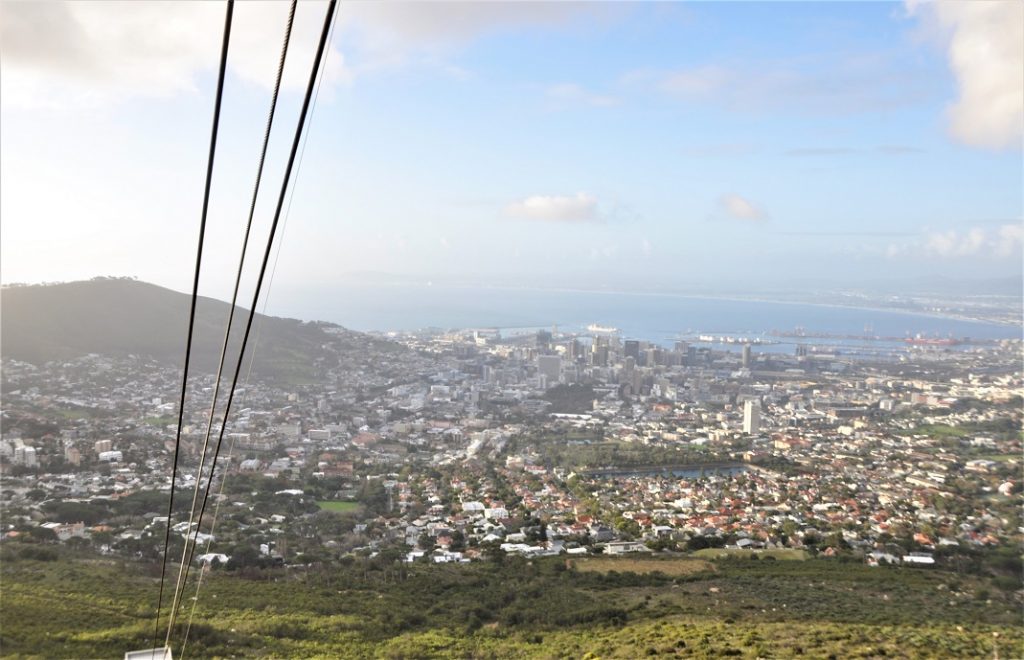
Day 2: Cape Town – Cape Peninsula – Cape Town: A day of seals, scenery, and penguins
We kicked off the day bright and early, ready to take on one of South Africa’s most scenic drives: the Cape Peninsula route. Hugging the Atlantic coast, the road to Cape Point is nothing short of spectacular – at times carved dramatically into cliffs that plunge into the ocean below.
From the sleek villas of Clifton to the palm-lined beach of Camps Bay, the drive south winds toward Hout Bay, where we paused for a boat trip to Duiker Island. Home to over 74,000 Cape fur seals, this rocky outcrop is alive with splashes, barking, and wild, wonderful chaos.
Back on shore, we climbed higher along the coast to the legendary Chapman’s Peak Drive – a feat of engineering and one of the most photogenic coastal roads in the world. The views of Hout Bay from the pass are simply jaw-dropping.
As we continued, a little roadside drama unfolded: a baboon family lounging right in the middle of the road, entirely unbothered by our presence. A quick reminder: never feed the baboons – it’s illegal and dangerous.
Further south, we arrived at Boulders Beach, near Simon’s Town – not for sunbathing, but to visit the endearing colony of African penguins. These black-and-white, flightless charmers waddle among granite boulders and boardwalks, completely stealing the show (and many hearts).
Careful to check under the car for curious penguins before departing, we finally reached our main destination: the Cape of Good Hope Nature Reserve.
This is South Africa’s second-most visited park after Kruger. Rugged, windswept, and dramatic, this is a place of raw coastal beauty and endless horizons.
Our return to Cape Town took us along the warmer, gentler waters of False Bay, providing a peaceful contrast to the morning’s wild Atlantic.
Good to know
Experiences:
- Duiker Island – Seal colony by boat
- Chapman’s Peak Drive – Iconic cliffside road
- Boulders Beach – Home to African penguins
- Cape of Good Hope Nature Reserve – A must-see South African icon
Driving Distance: 149 km round trip
Accommodation: The Commodore Hotel
This day delivers the full postcard-perfect punch of the Cape Peninsula – and it’s one you’ll remember long after the penguins have waddled out of view.
More inspiration:
A seal-icious adventure in Hout Bay
The Penguins of Boulders Beach
Cape of Good Hope
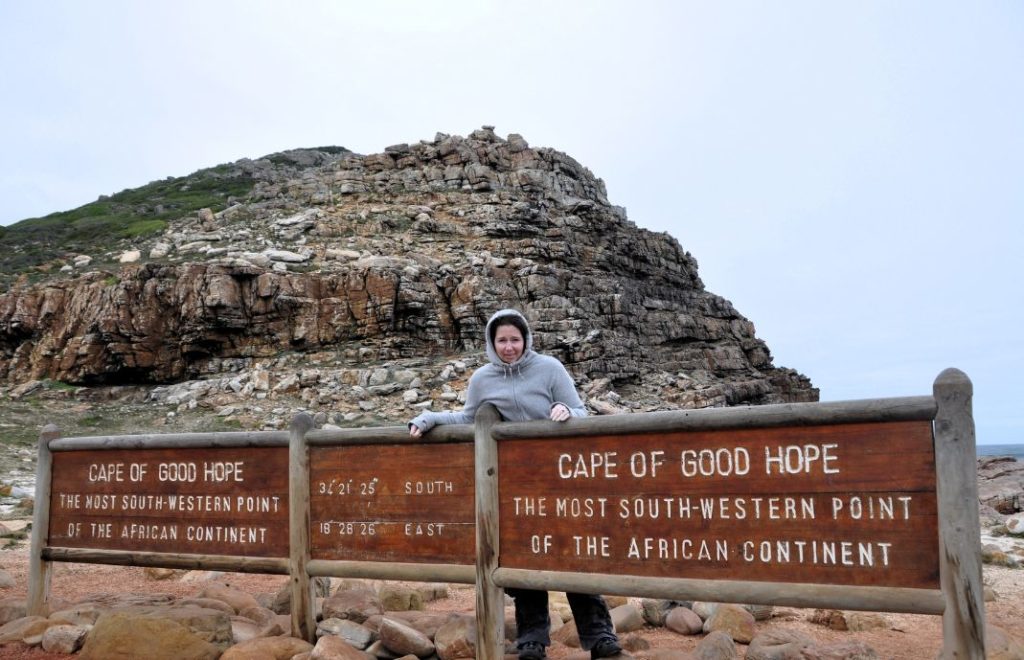
Day 3: Cape Town – The Winelands – George: A journey through wines and cheese
No visit to South Africa is complete without experiencing its world-renowned wine country. Today was all about indulgence, scenery, and a dash of history.
South Africa produces exceptional wines across the country, but it’s the Cape Winelands that steal the show. Nestled between towering mountains and the sea, the region is as breathtaking as the vintages it produces.
Our day began with a wine tasting in Stellenbosch, one of the oldest and most iconic wine regions in the country. Surrounded by oak-lined streets and Cape Dutch architecture, this charming university town blends tradition, elegance, and plenty of good wine.
Next up: a visit to the quirky Goat Tower at Fairview Wine and Cheese Estate in Paarl. Yes, an actual stone tower for goats, who climb its spiral ramps like four-legged royalty. While you’re there, don’t skip the cheese tasting, either. The pairing options are divine.
We then made our way to Franschhoek, a picturesque village with deep French Huguenot roots, rich history, and some of the most refined cuisine in the country. Cobblestone streets, art galleries, and mountain views made it the perfect stop before the long drive ahead.
As the day wound down, we hit the road and headed eastward to George, crossing spectacular mountain passes and rolling landscapes.
Good to know
Experiences:
- Wine tasting in Stellenbosch
- Goat tower & cheese shop in Paarl
- History, heritage & charm in Franschhoek
Driving distance: 500 km
Accommodation: Fancourt Golf Estate – luxury lodging at one of South Africa’s top golf destinations
From award-winning vintages to historic towns and scenic roadways, this day was a delicious blend of South African flavors and landscapes. Perfectly bottled into one unforgettable journey.
More inspiration:
Don’t miss the Goat Tower in Paarl
Discover the Cape Winelands
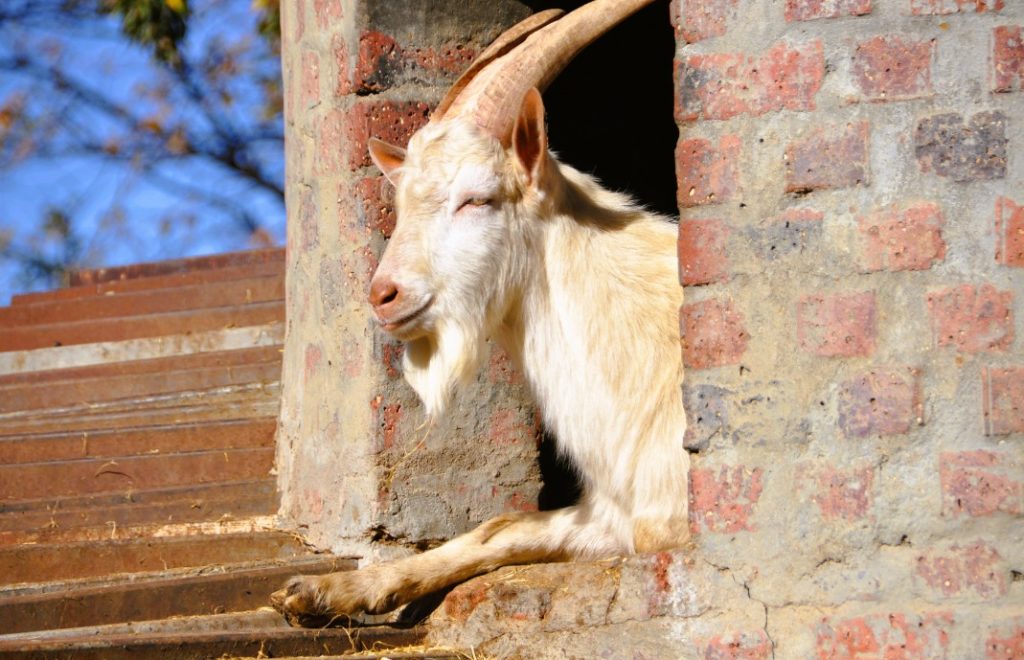
Day 4: George – Oudtshoorn – George: Golf, gourmet, and a surprise in the Klein Karoo
While South Africa is celebrated for its spectacular golf courses, today’s itinerary proved there’s plenty to enjoy off the green as well.
We stayed at the prestigious Fancourt Golf Estate – a dream destination for golfers, with three top-tier courses set against the backdrop of the Outeniqua Mountains. While my partner teed off, I had a surprise day trip lined up, thanks to our local friend.
The destination?
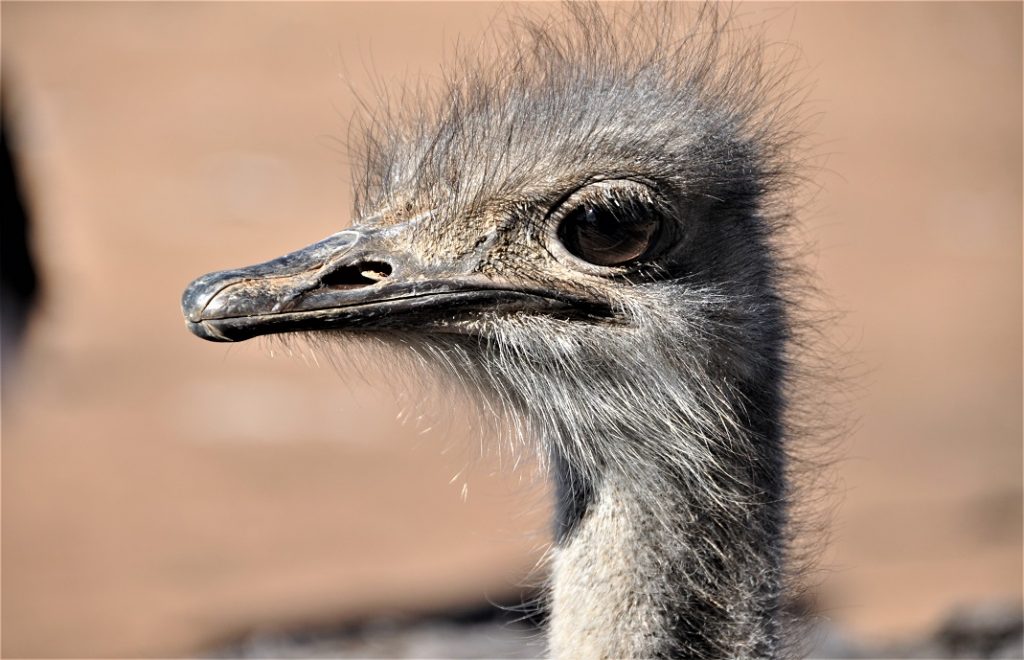
Oudtshoorn, known as the ostrich capital of the world, tucked away in the heart of the Klein Karoo.
The exact plan was kept under wraps until arrival, and the reveal did not disappoint:
A visit to a working ostrich farm, where I got up close with these quirky, powerful birds and learned about their role in local agriculture and culture.
Followed by a flavorful olive oil tasting, showcasing the region’s budding boutique olive farms – a delicious and unexpected highlight.
Back at Fancourt, my partner was all smiles after a morning on the fairway. And even for non-golfers, the estate is a destination in itself:
- Stylish rooms and suites
- A variety of restaurants, spa treatments, and boutiques
- A gym, swimming pool, pro shop, kids’ club, and peaceful gardens
- It’s a place that caters to everyone – from serious golfers to spa-lovers, families, and foodies alike.
Good to know
Experiences:
- Ostrich farm tour in Oudtshoorn
- Olive oil tasting
Driving Distance: 64 km (round trip)
Accommodation: Fancourt Golf Estate – world-class resort with something for everyone
Whether you’re swinging a club or sampling olive oil under the Karoo sun, day four proves that South Africa’s Garden Route is rich in both luxury and local flavor.
More inspiration:
Oudtshoorn – Where feathers once ruled
Day 5: George – Knysna – Plettenberg Bay: Garden Route Magic and a humbling encounter
Today we set out along the legendary Garden Route – South Africa’s most iconic road trip and a paradise for travelers in love with nature, coastlines, and culture.
As its name suggests, the Garden Route is a floral wonderland, but it’s so much more. Picture turquoise lagoons, endless beaches, sleepy seaside villages, steep cliffs plunging into the sea, and ancient forests laced with winding roads. All of it framed by the majestic Outeniqua Mountains inland.
South Africa dazzles with its natural beauty, wildlife, world-class food, renowned wine, and cosmopolitan charm – especially in places like Cape Town.
But it’s also a country of deep contrasts, and the challenges facing its people are visible even to short-term visitors.
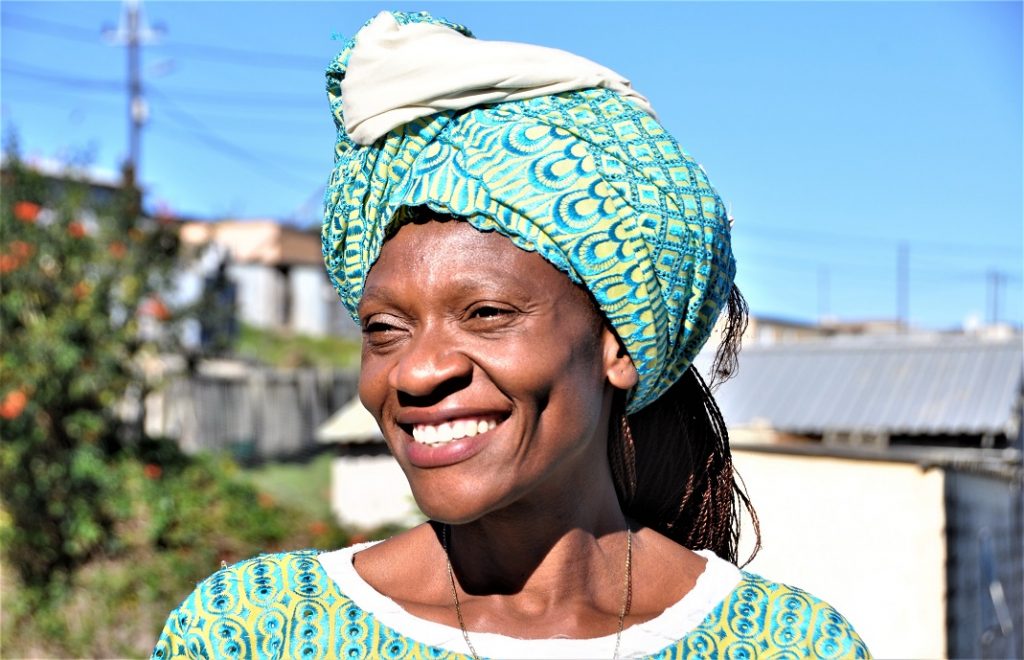
Instead of turning a blind eye, we chose to engage – and joined a guided tour of a township in Knysna. These townships, often labeled as ghettos, are a legacy of apartheid and social inequality. Yet what we found wasn’t just hardship – it was resilience, community, creativity, and hope.
The stories we heard, the people we met, and the genuine warmth we felt turned out to be one of the most moving and memorable experiences of our journey.
Filled with reflection and gratitude, we continued on to Hog Hollow Country Lodge, just outside Plettenberg Bay. Nestled in lush forest, this enchanting retreat offers peace, comfort, and views that soothe the soul – an ideal place to rest after a day rich in emotion and discovery.
Good to know
Experiences:
- Garden Route drive
- Township tour in Knysna – eye-opening and deeply rewarding
Driving distance: 112 km
Accommodation: Hog Hollow Country Lodge – tranquil, stylish, and immersed in nature
Day five was a powerful reminder: South Africa is not only beautiful – it’s complex, real, and filled with stories that deserve to be heard.
More inspiration:
Knysna’s colorful hidden side
Day 6: Plettenberg Bay – Storms River: Wildlife encounters and a Rock ’n’ Roll evening
Plettenberg Bay is often dubbed South Africa’s adventure capital, offering everything from beach lounging and wine tasting to shopping, stargazing dinners, hiking, cycling, golf, horseback riding, and watersports. But for us, today’s adventure had a different focus – one much closer to the heart.
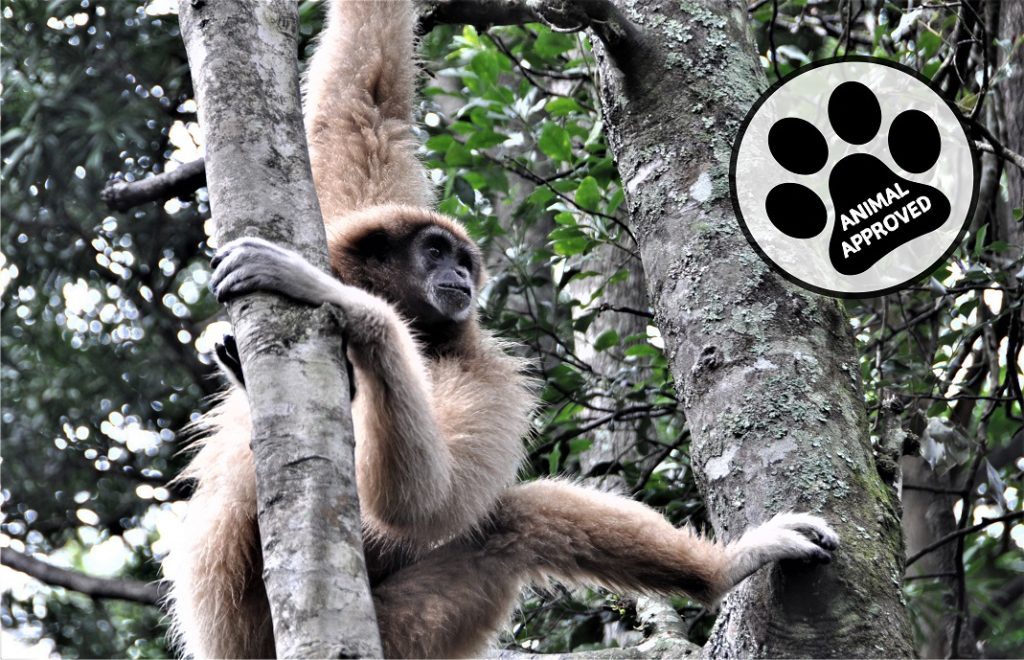
We came here for the animals – not in cages, not for selfies, but in carefully managed sanctuaries where rescued creatures live in peace, away from exploitation.
We visited three remarkable sanctuaries, each offering a respectful, educational, and moving encounter:
- Monkeyland – A free-roaming primate sanctuary where previously captive monkeys, lemurs, and gibbons rediscover life in the trees.
- Birds of Eden – The world’s largest free-flight aviary, home to hundreds of birds from around the globe, all living freely under a soaring net canopy.
- Jukani Wildlife Sanctuary – A refuge for big cats and other predators who can’t return to the wild but now live safely, away from chains and cub-petting.
These sanctuaries are a shining example of ethical wildlife tourism, reminding us that admiration doesn’t require interference – and that true care respects boundaries.
After our animal encounters, we cruised east along the Garden Route to Storms River, a village tucked in the Tsitsikamma region, where we checked in at the Tsitsikamma Village Inn – a charming collection of colonial-style cottages clustered around a central village square.
And for dinner? We went delightfully off-script. Instead of South African flavors, we stepped into a full-blown retro time warp at Marilyn’s 60s Diner – chrome booths, jukebox tunes, classic milkshakes, towering burgers, and onion rings galore.
With Elvis and Marilyn gazing down from the walls, and a collection of vintage cars and motorcycles on display in the adjacent mini-museum, it was a fun, kitschy break from the ordinary.
Good to know
Experiences:
- Monkeyland, Birds of Eden, and Jukani Wildlife Sanctuary – ethical animal encounters
- Marilyn’s 60s Diner – all-American nostalgia with a South African twist
Driving distance: 45 km
Accommodation: Tsitsikamma Village Inn – cozy, character-filled, and perfectly placed for adventures
From heartfelt wildlife encounters to milkshakes and jukeboxes, day six was a joyful mix of conservation, charm, and retro flair.
More inspiration:
Where the monkeys are in charge
A sanctuary in the sky
Where Big Cats are safe
Lara Mostert – A fierce advocate for the voiceless
Check-In: Tsitsikamma Village Inn
Day 7: Storms River – Addo Elephant National Park: Stormy skies, wild coastlines, and a change of plans
Storms River certainly lived up to its name today. With dark clouds swirling overhead and a definite winter chill in the air, our much-anticipated tubing adventure. A thrilling water-based journey through gorges and rapids – was looking less and less inviting.
Tubing down Storms River in Plaatbos Nature Reserve and Tsitsikamma National Park is typically an adrenaline-filled mix of paddling, swimming, cliff-jumping, and floating on inflatable rafts through stunning coastal scenery. But when our guide invited us to test the water temperature in a nearby pool… let’s just say reality hit hard. I went pale at the mere thought of five hours in that icy river.
With heavy hearts (and numb toes just thinking about it), we made the tough call to postpone the tubing dream for another time. The weather, which had been our travel companion up until now, had finally turned its back.
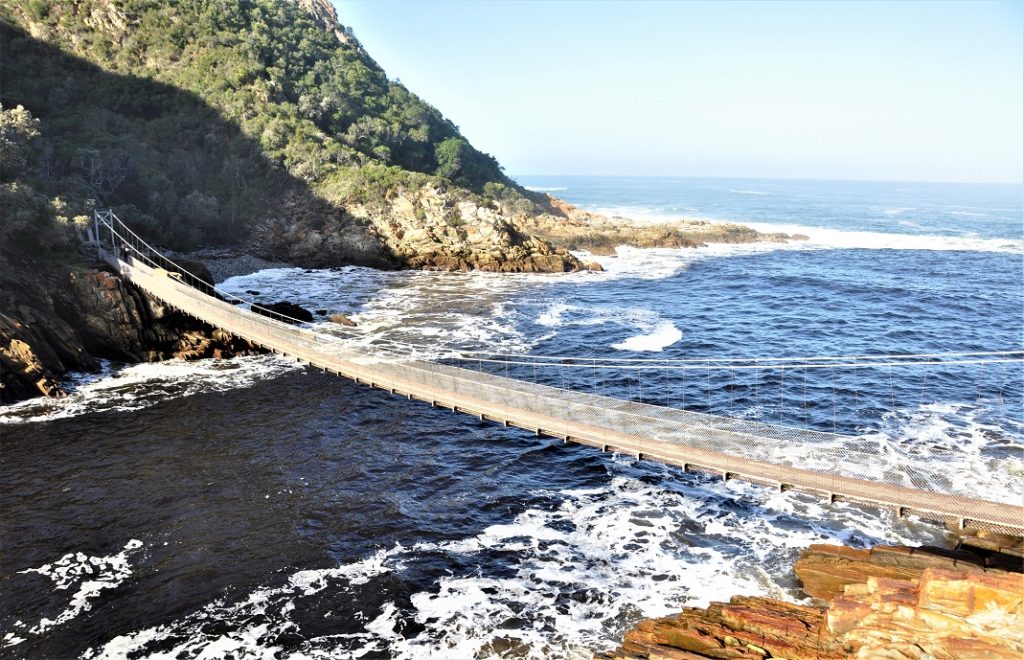
Thankfully, our guide had a fantastic alternative in mind: a coastal hike through Tsitsikamma National Park. This rugged marine and forest sanctuary stretches 80 km along the Eastern Cape coast, and offers some of the most dramatic sea views in South Africa.
Waves crashed against cliffs, forest paths wound through lush greenery, and the wildness of the Garden Route’s edge reminded us that sometimes, Plan B can be just as powerful as Plan A.
After our hike, we continued eastward into the Eastern Cape, a province rich in culture, heritage, and local color. It’s a region where traditions run deep and the warmth of the people stays with you long after the journey ends.
By late afternoon, we reached our next stop: Zuurberg Mountain Village, perched above Addo Elephant National Park, where tomorrow’s wildlife encounters await.
Good to know
Experiences:
- Planned: Tubing on Storms River (cancelled due to weather)
- Instead: Scenic hike in Tsitsikamma National Park
Driving Distance: 210 km
Accommodation: Zuurberg Mountain Village – peaceful mountain retreat
The tubing may have been a no-go, but nature still showed up – and the day ended with that familiar South African mix of wild beauty, resilient spirit, and a road that keeps leading somewhere unforgettable.
Day 8: Addo Elephant National Park – Port Elizabeth: A safari adventure – with a twist
I woke up with a flutter in my chest – today was the day: safari in Addo Elephant National Park! But as is often the case with travel, not everything goes to plan.
We had pre-booked a guided safari through a local company, but when it came time for pickup… the location listed on our voucher simply didn’t exist. Not even Google knew where it was, and neither did the helpful staff at our lodge.
So we pivoted. We hopped in the car and headed to Addo Main Camp, the park’s official headquarters. The gentleman at the reception went above and beyond – making calls, asking colleagues, and doing everything he could to help – but the phone number on our voucher was a dead end.
No matter. We weren’t about to let a logistical hiccup ruin our safari day.
He suggested we join a morning guided drive from the camp and then continue with a self-drive safari afterward. That turned out to be the perfect solution – and had we known how easy and rewarding self-driving is in Addo, we might’ve skipped the pre-booked tour altogether.
And what a day it turned out to be!
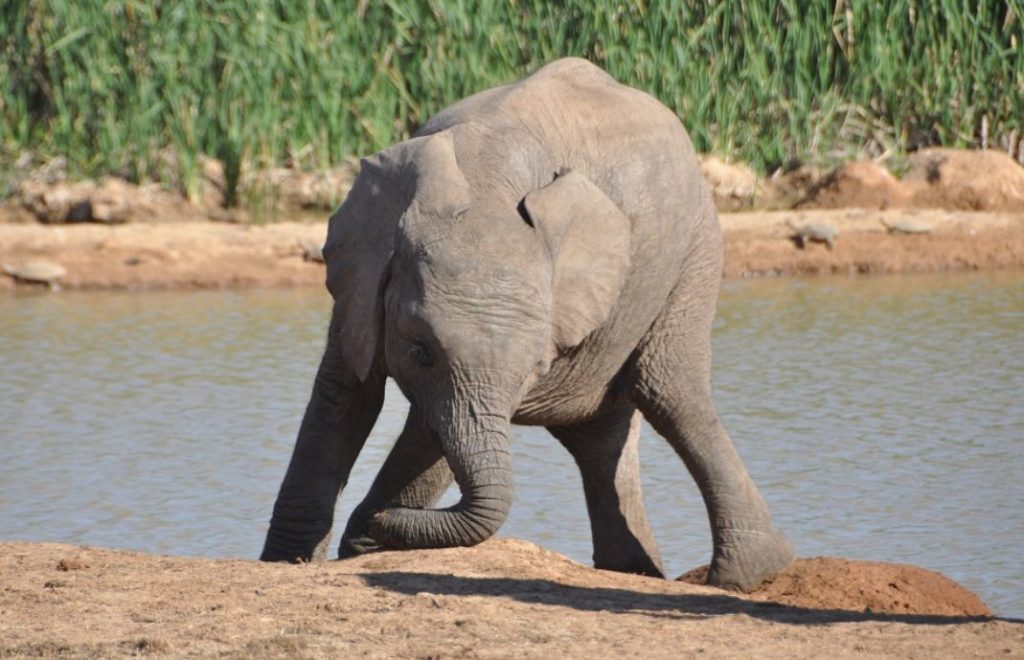
Addo is simply magical – a landscape where elephants roam freely, lions lurk in the brush, and the sense of untamed Africa is all around you. With tips from our new friend at the camp, we made the most of our visit and exited the park via the Matyholweni Entrance Gate, a scenic route that leads us toward our next stop.
From there, it was a short drive to Port Elizabeth (now officially renamed Gqeberha), where we checked in for the night.
Often called “The Friendly City”, Port Elizabeth has a relaxed coastal vibe, a beautiful setting on Algoa Bay, and a reputation for being safer and more laid-back than South Africa’s other major cities. That said, it’s always smart to stick to basic safety precautions.
With its wide beaches, modern waterfront, and cultural landmarks, PE makes for a great base – or a soft landing – after a day in the wild.
Good to know
Experiences:
- Morning guided safari + self-drive safari in Addo Elephant National Park
Driving distance: 68 km from Addo Main Camp to Port Elizabeth
Accommodation: The Kelway Hotel – comfortable and well-located near the coast
A day that began in chaos ended in elephants, open skies, and a warm welcome in The Friendly City. That’s South Africa for you – unpredictable, wild, and unforgettable.
More inspiration:
Ele-phantastic in Addo
A guide to Addo Elephant National Park
Day 9: Port Elizabeth: Dolphins, whales, and wobbly legs
Today’s adventure brought a mix of excitement and apprehension.
The thrill? The chance to spot dolphins, penguins, and whales in the wild.
The catch? The entire experience takes place at sea – and let’s just say, I don’t have the steadiest of sea legs.
A couple of seasickness tablets with breakfast gave me hope that I’d make it through with both dignity and stomach intact.
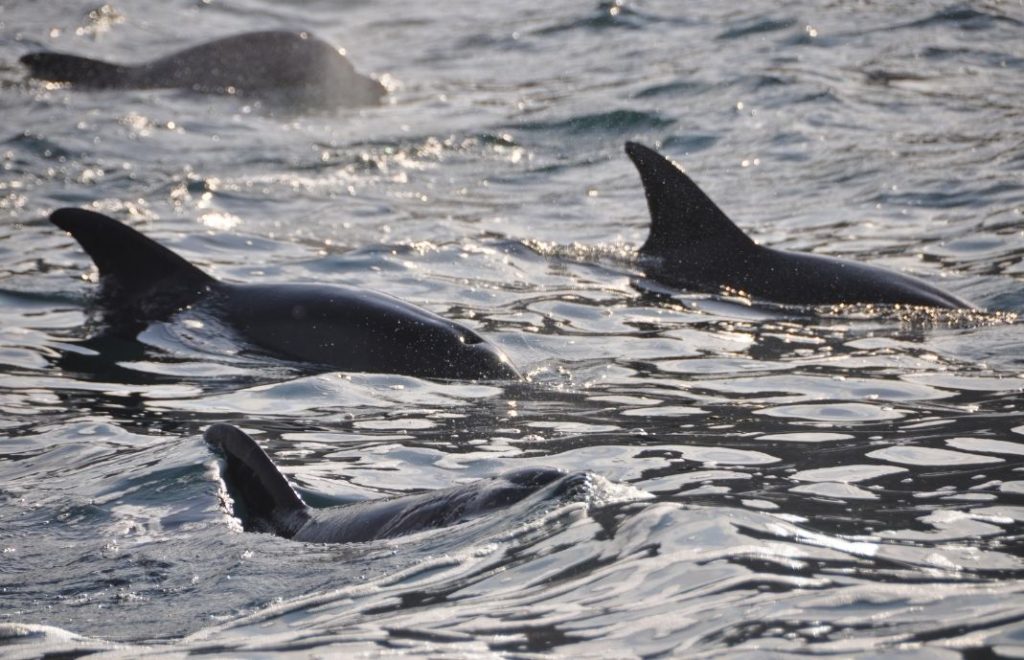
At the harbor, we met our captain and checked in. After a quick safety briefing and rundown of what to expect, we set out onto the open waters of Algoa Bay, one of South Africa’s most rewarding marine wildlife hotspots.
The ocean delivered – playful dolphins, perhaps a penguin bobbing on the swell, and the spine-tingling possibility of spotting a whale breach in the distance. These are the kinds of moments that stay with you, no matter how green you turn in the process.
Back on land, we headed to our next hotel (yes, we love switching it up to experience different styles and locations). A little rest, a face slowly returning to its normal shade, and a well-earned dinner rounded off the day.
Good to know
Experience: Dolphin & whale watching safari from Port Elizabeth/Algoa Bay
Accommodation: The Beach Hotel – ideally located by the ocean
Was it worth the waves? Absolutely. Few things compare to the magic of seeing wild marine life in their natural element – even if it takes a few hours to find your balance again.
More inspiration:
Whale safari from Port Elizabeth
Day 10: Port Elizabeth – Pumba Private Game Reserve: Luxury and wilderness
No trip to South Africa is complete without immersing yourself in the safari experience – and today, we traded city buzz for bush bliss.
After saying goodbye to Port Elizabeth, we hit the road toward Pumba Private Game Reserve, an exclusive safari haven just 111 kilometers away. It wasn’t long before city streets gave way to open plains and acacia-dotted landscapes, signaling we were entering Big Five territory once again.
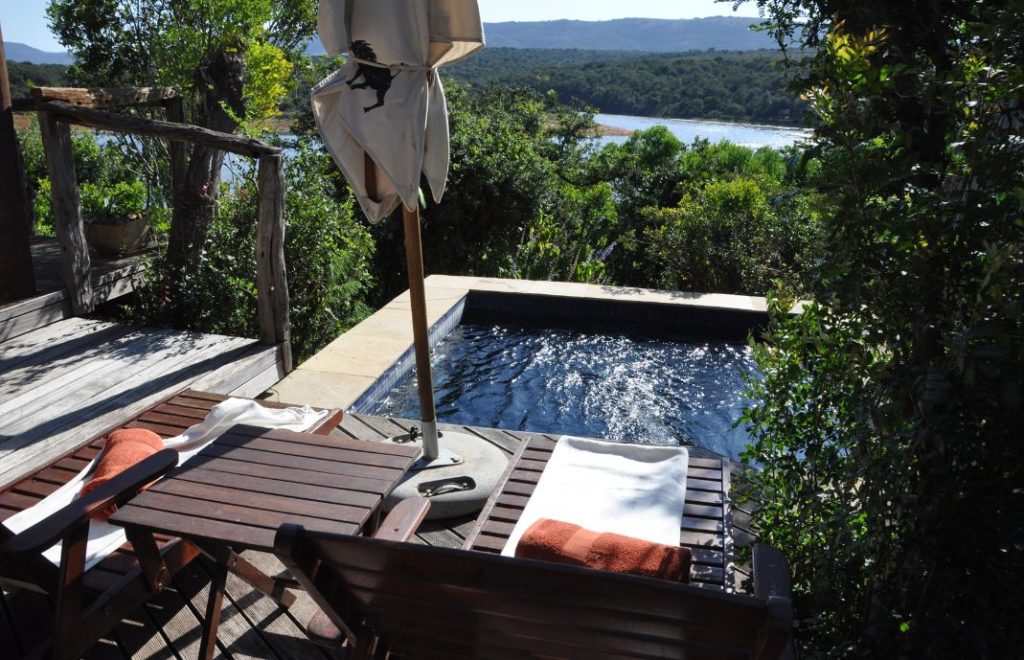
And then we arrived at Water Lodge – a true slice of safari luxury. Set beside a tranquil lake and surrounded by untamed wilderness, the lodge combines elegant design, impeccable service, and breathtaking views, all while offering intimate access to Africa’s most iconic wildlife.
From the moment we stepped out of the car, we knew: one night wouldn’t be enough.
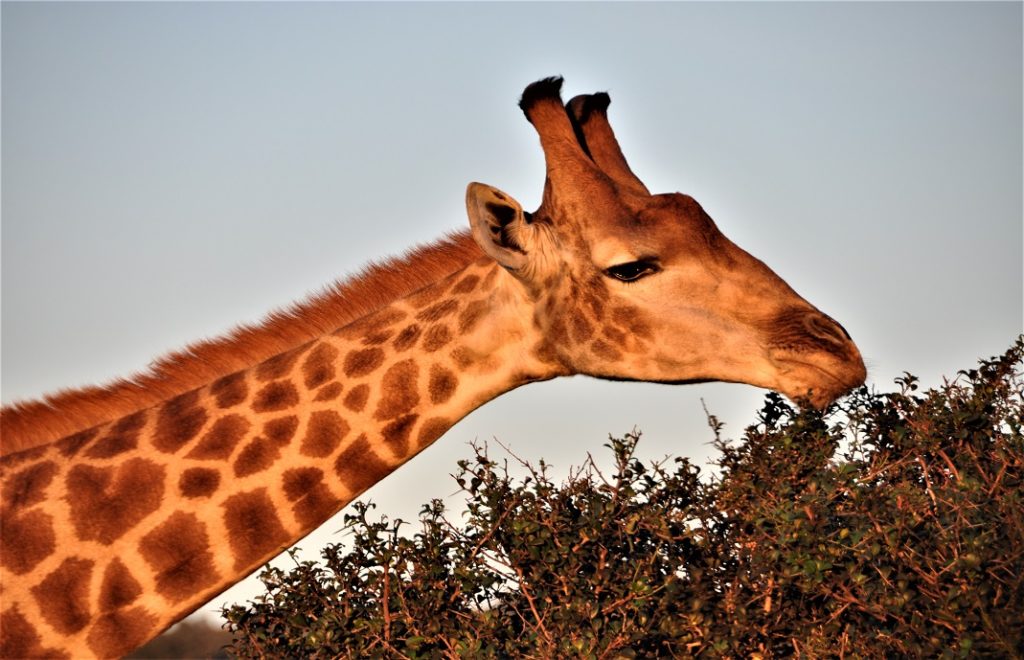
Afternoon game drives delivered everything we’d hoped for – majestic lions, towering giraffes, elusive leopards, and of course, Pumba’s star attraction: the rare white lion, a truly spellbinding sight.
The day closed with sunset drinks in the bush, followed by a gourmet dinner under the stars. This is safari at its most indulgent, where nature meets comfort in all the right ways.
Good to know
Experience: Luxury safari at Pumba Private Game Reserve, including game drives and wildlife sightings.
Driving distance: 111 km
Accommodation: Water Lodge, Pumba – a five-star lodge offering comfort and Big Five encounters
If you’re planning a stay at Pumba, trust us: book at least two nights. You’ll thank yourself later.
More inspiration:
Check-In: Water Lodge at Pumba Private Game Reserve
Day 11: Pumba Private Game Reserve – Amakhala Game Reserve: A long-awaited leopard
One thing every safari-goer knows: the early morning game drive is when the wild truly comes alive. So, with sleep still clinging to our eyes and a warm blanket wrapped around our shoulders, we climbed into the safari vehicle at dawn, ready for whatever nature had in store.
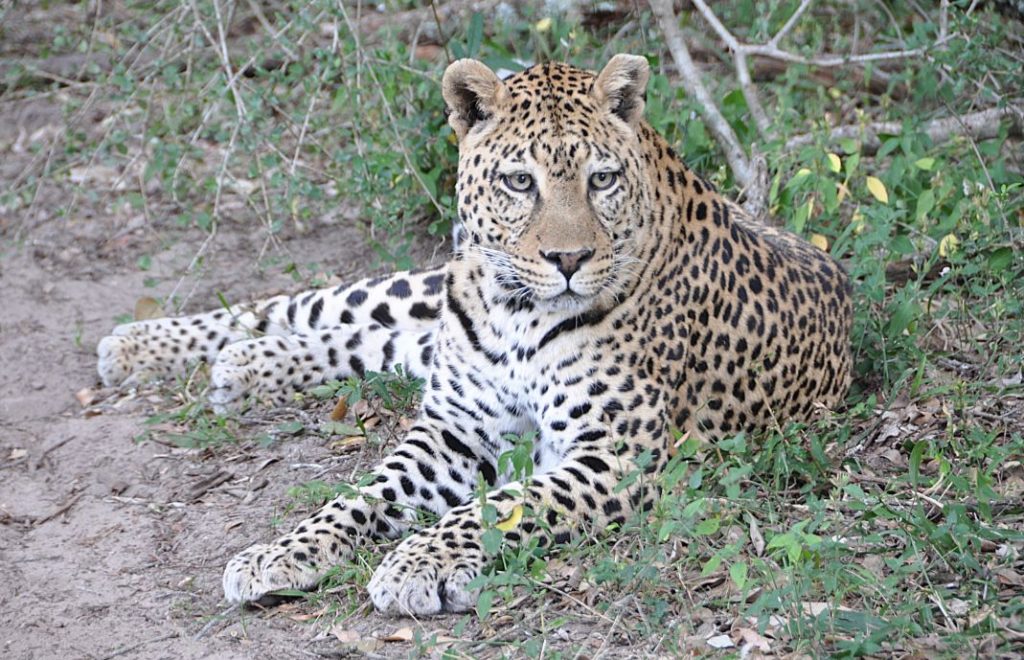
This wasn’t just any game drive – it was my 32nd safari. And yet, one elusive creature had always evaded me: the leopard.
Until today.
Just as the light began to gild the savannah, there it was – a leopard, poised and regal, silently stepping out from the bush. Finally, my personal Big Five quest was complete, and the thrill was indescribable. No matter how many safaris you’ve been on, moments like this never lose their magic.
After breakfast and one last lingering look at Pumba, we set off for our next destination. Fortunately, the drive was short – just 38 kilometers—and by midday we arrived at the Amakhala Game Reserve, another jewel in the Eastern Cape’s safari crown.
We checked into the beautiful Hlosi Game Lodge, a stylish and serene retreat perfectly positioned for Big Five viewing.
The afternoon brought yet another game drive, with sweeping views, close encounters, and the perfect close: a sundowner in the bush. Watching the African sky shift from gold to violet, drink in hand, surrounded by the calls of the wild. It’s the kind of peace and wonder that stays with you forever.
Good to know
Experiences:
- Morning safari in Pumba Private Game Reserve
- Afternoon safari and sundowner in Amakhala Game Reserve
Driving Distance: 38 km
Accommodation: Hlosi Game Lodge, Amakhala – luxurious, family-friendly, and immersed in nature
From long-awaited leopards to sunset serenity, day eleven was a vivid reminder that safari life is unpredictable, emotional, and absolutely unforgettable.
More inspiration:
Safari in Pumba Private Game Reserve
Day 12: Amakhala Game Reserve – Port Elizabeth – Durban – Drakensberg: From bush to mountain
The day began, as so many in South Africa do, with a morning game drive – our final one at Amakhala Game Reserve. While the wildlife showed up, our guide sadly did not impress. Some safaris are shaped by the animals, others by the guide, and this one reminded us that both matter.
After breakfast back at the lodge, it was time to say goodbye to the Eastern Cape. We drove the 76 kilometers to Port Elizabeth Airport, dropped off our rental car, and boarded a short flight north to Durban.
There, we picked up a new rental car and began the scenic drive into the Drakensberg Mountains, bound for our next stop: Antbear Lodge.
As we ventured deeper into the countryside, the road grew rougher and more remote. With sunset painting the hills in amber and gold, we weren’t entirely sure if the GPS would hold up. But just as twilight wrapped itself around the landscape, we rolled through the gate of the lodge – and straight into another world.
Antbear Lodge is nothing short of extraordinary. Tucked away in the rolling hills of the Drakensberg, it feels completely off-the-grid in the best possible way. Everything here has been crafted by hand – from beds and beams to whimsical wood carvings – with an artisan’s touch passed down through generations.
Owned by a passionate woodworker, the lodge is a living gallery of craftsmanship. Add to that warm hospitality, excellent food, and stunning surroundings, and you have a hideaway that’s rustic, soulful, and utterly unforgettable.
Good to know
Experiences:
- Morning safari in Amakhala Game Reserve
- Scenic drive into the Drakensberg Mountains
Driving distances:
- 76 km from Amakhala to Port Elizabeth Airport
- 172 km from Durban Airport to Antbear Lodge
- Flight Time: 1 hour (Port Elizabeth → Durban)
Accommodation: Antbear Lodge, Drakensberg – handcrafted charm in the heart of nature
From the savannah to the mountains, day twelve took us through sky, road, and time – ending in a handcrafted sanctuary far from everything, and somehow exactly where we wanted to be.
Day 13: Drakensberg Mountains: A day without a plan turns into an unexpected highlight
After so many tightly packed days of activity, we decided that today would be unscheduled. A day to pause, breathe, and let the weather decide our path. And as it turned out, spontaneity served us well.
After a leisurely breakfast at Antbear Lodge, we were lucky to bump into Andrew, the lodge’s owner and passionate craftsman. He graciously offered to give us a personal tour of the property, sharing stories about its beginnings, the challenges along the way, and his dreams for its future. His pride in the handmade woodwork and commitment to sustainable tourism was both inspiring and grounding.
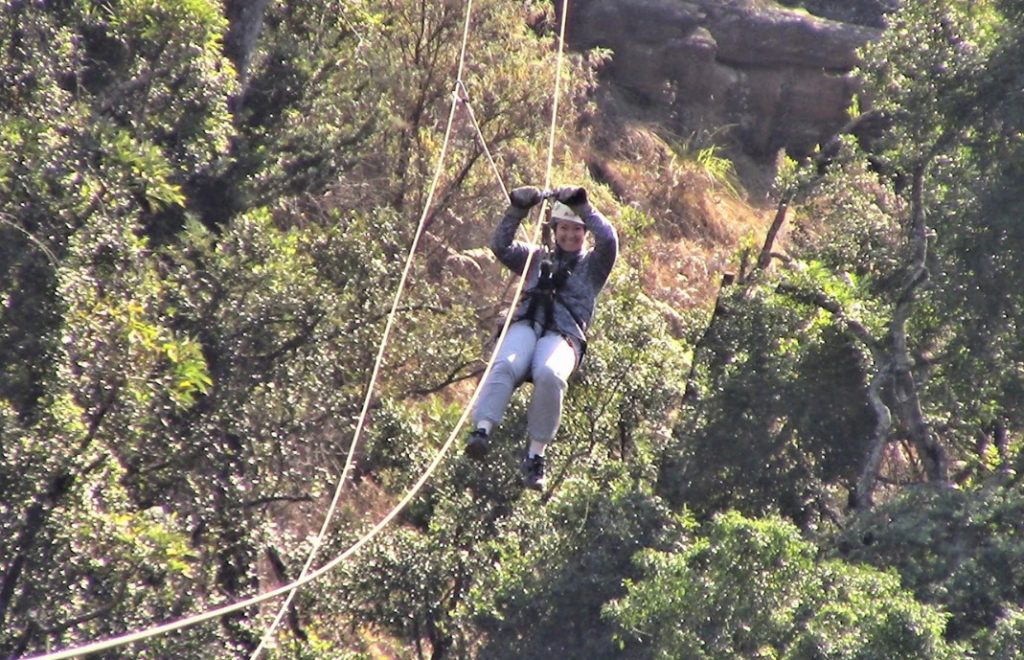
Over coffee, Andrew suggested a handful of nearby experiences, and we decided to get our adrenaline fix with a ziplining adventure in the Blue Grotto Forest. The always-helpful front desk staff called ahead and secured a spot for us – off we went.
The drive to the forest was its own kind of magic: rolling green hills, distant peaks, and villages dotted with smiling faces. At one point, a strutting ostrich decided to race our car, thumping its way along the dusty roadside like something out of a dream.
Once at the zipline base, we checked in and got geared up for the treetop thrill ride. Soaring between platforms, we glided above the forest canopy, feeling completely immersed in the natural beauty of the Drakensberg.
After the adventure (and once our adrenaline had mellowed), hunger kicked in. On the drive back to Antbear, we were lured in by a sign for The Valley Bakery. What started as a quick stop for “just one pastry” turned into two boxes full. It was impossible to choose just one treat from this little slice of bakery heaven.
Good to know
Experiences:
- Ziplining in Blue Grotto Forest
- The Valley Bakery – irresistible baked goods and local charm
- Lodge tour and stories with owner Andrew at Antbear
Driving Distance: 64 km one-way (Antbear Lodge to Blue Grotto area)
Accommodation: Antbear Lodge, Drakensberg – rustic, soulful, and full of personality
What began as a no-plan day ended up being a perfect balance of thrill, beauty, and sweet surprises. The kind of day you don’t plan, but never forget.
Day 14: Central Drakensberg: Birds, peaks, and a helicopter over the highlands
The Central Drakensberg is where rugged beauty meets wide-open skies. Much of the area is protected wilderness, ideal for hiking, fly-fishing, or even exploring on horseback, with herds of antelopes roaming freely across the hills.
Today, however, we were in for something special. A surprise day planned by our South African friend, who had invited us to join him in the stunning Champagne Valley.
Stop 1: Falcon Ridge – Bird of Prey Centre
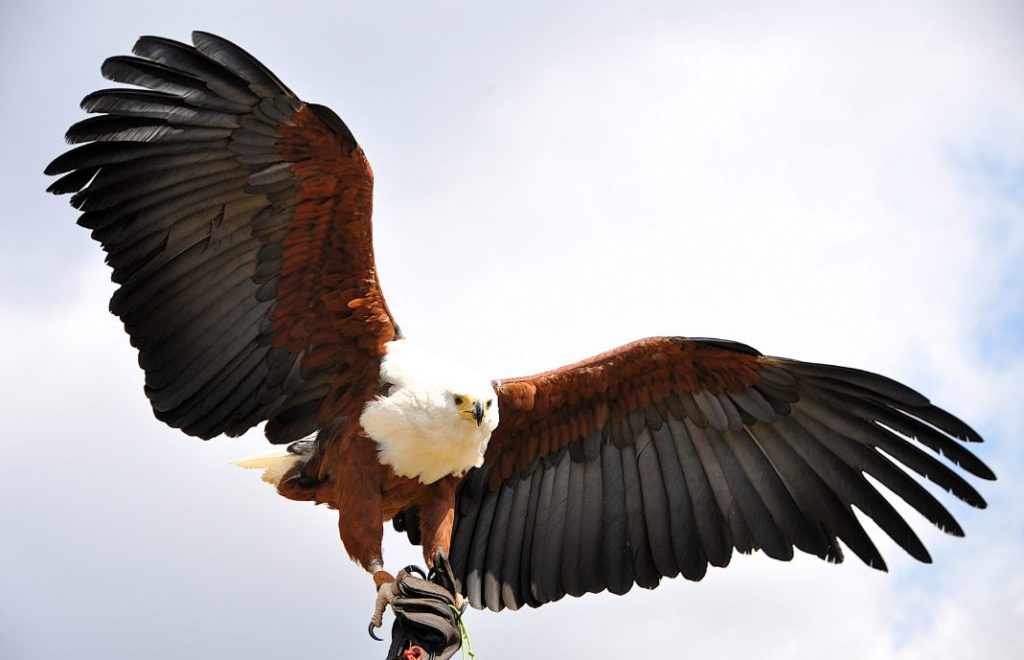
Our first experience of the day brought us to Falcon Ridge, a conservation-focused bird of prey center. With the Drakensberg mountains as a backdrop and a cloudless blue sky overhead, we watched in awe as eagles, hawks, falcons, and owls soared and swooped with incredible grace and speed.
It’s one thing to admire birds in flight. It’s another entirely to have a massive eagle glide inches over your head as part of a conservation demonstration. Enthralling and educational.
Stop 2: Dragon Peaks Mountain Resort
Next, we headed to Dragon Peaks Mountain Resort for a tour and lunch with the owner, Brad. The resort is expansive and diverse, offering everything from luxury suites and rustic cabins to safari tents and RV spots – definitely a place we’ll consider for future stays.
Then came the day’s unexpected highlight: Brad is a trained helicopter pilot, and he invited us on a scenic flight. Of course, we said yes.
For 20 unforgettable minutes, we soared over the dramatic folds and peaks of the Drakensberg, dipping between cliffs and rising above grassy plateaus. The views were beyond breathtaking, and the sense of scale you get from the sky? Unmatched.
Final stop: The Cavern Resort & Spa
With the sun casting long shadows, we continued on to The Cavern, tonight’s unique accommodation tucked into the hills.
This one-of-a-kind lodge blends into the landscape, with cozy rooms, forest trails, and a bar – built inside the mountain itself. We toasted the day with a drink in this natural grotto, enjoying lively entertainment from the staff – a joyful, authentic close to an extraordinary day.
Good to know
Experiences:
- Falcon Ridge Bird of Prey Centre
- Helicopter tour over the Drakensberg
- Tour and lunch at Dragon Peaks Mountain Resort
- Evening at The Cavern with entertainment
Driving distances:
- 65 km (Antbear Lodge to Falcon Ridge)
- 98 km (Bird of Prey Centre to The Cavern)
Accommodation: The Cavern Resort & Spa – nature, comfort, and character wrapped in one
From skies full of wings to peaks full of wonder, day 14 delivered beauty in motion – above, around, and within.
More inspiration:
Aerial acrobats of the sky
Day 15: Northern Drakensberg: On the road again
A new day – new horizons. The Drakensberg adventure continues as we journey northward, where the road winds ever upward through the mountains.
Along the way, we make time for a bit of shopping. On the roadside, a group of sweet-faced boys sit patiently, offering hand-crafted clay animals. It’s nearly impossible to resist their earnest expressions as they display their creations – before we know it, elephants, giraffes, zebras, rhinos, and buffaloes have joined us on our journey.
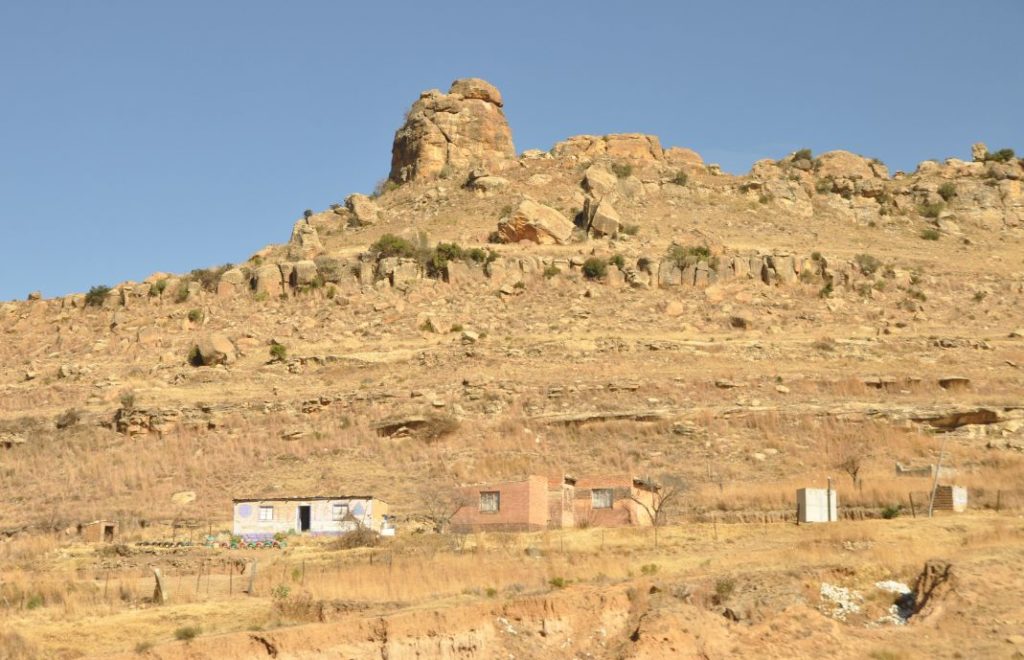
We cross into the Free State province, and the landscape stretches endlessly, vast and solitary, with the mountains as our only company. Then, without warning, a scattering of small houses appears. Around a bend, a large town suddenly rises from the plain. An unexpected sight in this remote mountain region.
Welcome to Phuthaditjhaba, perched at 1,646 meters above sea level and home to around 50,000 residents. Its name, drawn from the Sotho language, means “meeting place of the tribes.”
Our car is in need of fuel, and conveniently enough, a takeaway pizza spot is located next to the petrol station. We savor warm, fresh pizza as we continue cruising through town – a simple pleasure in an unexpected place.
Climbing even higher, we approach our lodge. The views? Absolutely spectacular. Jagged mountain peaks stretch skyward, brushed with snow and backed by a sky of brilliant blue. It’s no surprise that hikers from around the globe are drawn to this region – its raw beauty is undeniable.
As we step out to check in, the wind greets us with sharp, icy gusts. And just then, the trip takes an unexpected twist. But every seasoned traveler knows – no great journey ever unfolds exactly as planned.
Good to know
Experiences: A day spent on the road
Driving distance: 113 kilometers
Accommodation: Witsieshoek Mountain Lodge
Day 16: Northern Drakensberg – Harrismith: We cannot stay here one more night
After a rather unfortunate experience at Witsieshoek Mountain Lodge, we decide one night was more than enough.
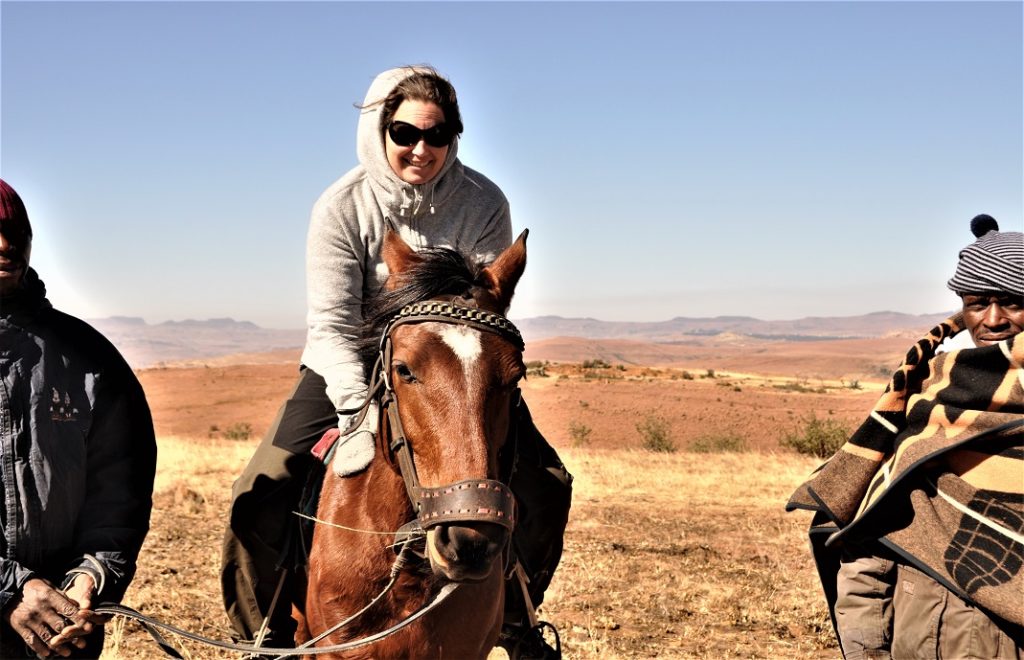
This day, too, strays from the plan. We had booked a horseback riding excursion into the mountain kingdom of Lesotho, a proud and resilient nation that has withstood the test of time, ruled by powerful chiefs and kings. Nestled entirely within South Africa, it is one of the highest countries in the world, with elevations starting at 1,500 meters.
Our guide, Sibusiso, fails to arrive at the scheduled time but assures us he’s en route. Over an hour later, he finally shows up – full of apologies and a dazzling smile. He instructs us to follow him by car to where the horses await. The drive takes nearly an hour, winding through Phuthaditjhaba and out to a small mountain village. There, we meet the man in charge, who proudly tells us he also runs a daycare out of his home. Schoolchildren begin to arrive and are more than happy to pose for our cameras – especially thrilled to see the photos afterward.
A biting wind picks up as we wait for the horses and their handlers. “Ten minutes,” we’re told. The minutes tick by. Then thirty. Then forty. Sibusiso is clearly distressed, making call after call. Finally, after nearly an hour, the horses arrive – but by then, we’re too cold and hungry to ride. A quick photo will have to do.
Sibusiso makes it up to us by inviting us to lunch in town, and we find ourselves at a hidden gem of an Ethiopian restaurant – one we never would’ve discovered without him. From the outside, it looks more like a rundown shack than an eatery, but inside, the service and food far exceed expectations.
All in all, the day didn’t turn out so badly after all.
Our next destination is the town of Harrismith, where we check in at a roadside motel conveniently situated near restaurants, a gas station, and a small store.
Good to know
Experiences: Horseback ride to Lesotho – plans changed
Driving distance: 85 kilometers
Accommodation: Bergview One Stop Mountain View Inn
Day 17: Harrismith – Hazyview: Exploring South Africas roads
Thanks to a few unexpected twists in our itinerary over the past days, we find ourselves with something rare on a journey like this: Time. Which means we indulge in the luxury of a slow morning.
Breakfast is served at Rocky Mountain Spur Steak Ranch, where hearty plates and a strong coffee set the tone for the day. Fueled and refreshed, we hit the road toward Mpumalanga, one of South Africa’s two northernmost provinces. The name means “the place where the sun rises” in local languages – a poetic promise for what lies ahead.
Our destination is the charming town of Hazyview, a perfect launchpad for adventures into both the Drakensberg mountains and the legendary Kruger National Park.
By early afternoon, we roll into Rissington Inn, a warm and award-winning lodge nestled among lush greenery. The welcome is everything you’d expect from South Africa—gracious, genuine, and full of charm. Our spirits lift even higher when we catch sight of the suite that will be ours for the night: spacious, elegant, and full of character.
The lodge’s owner, Chris Harvie, is as memorable as the inn itself. With his open arms, infectious smile, and a trove of captivating stories, he greets each guest like an old friend.
Good to know
Experiences: A scenic drive and relaxed afternoon at the lodge
Driving distance: 530 kilometers
Accommodation: Rissington Inn – a warm and award-winning lodge
Day 18: Kruger National Park – Johannesburg: Meeting the wildlife on their own turf
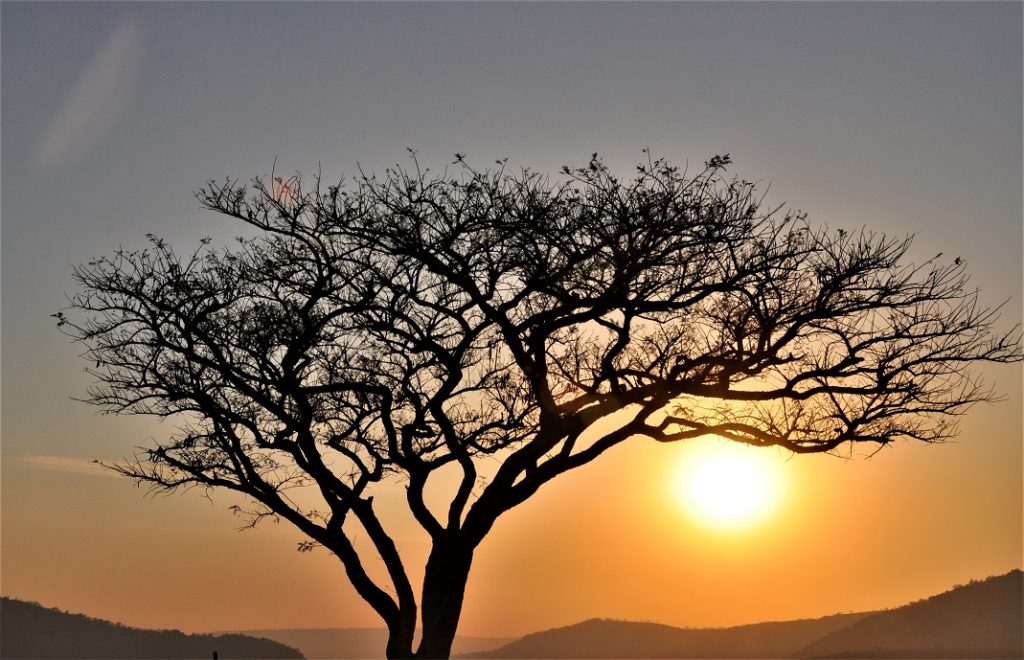
The darkness wraps around us as we stand shivering, each clutching a lunch box, waiting for our guide to arrive for yet another safari adventure. This time, it’s the legendary Kruger National Park we’re about to explore.
As South Africa’s largest national park, Kruger spans an impressive 21,000 square kilometers. Within its vast boundaries, you’ll find 147 species of mammals, 505 types of birds, 50 kinds of fish, 330 varieties of trees, and an overwhelming abundance of flowers and butterflies.
Before we set out, several travelers warned us that a safari in Kruger might not be worth the hype. They spoke of traffic jams of safari vehicles, bottlenecks of tourists eager to catch a glimpse of the Big Five – and experiences that often fell short of expectations.
Well, we are glad we did a game drive and could make up our minds. We did have a super day!
But after the safari, we were back on the road, heading toward Johannesburg. Because we’d adjusted our itinerary to include a few days in Mozambique, we had to make the drive late in the afternoon – well into the evening hours. Not ideal, to say the least.
A few exhausting hours later, we finally pulled into the City Lodge OR Tambo. A well-deserved dinner followed before we collapsed into be. Ttired, full, and utterly satisfied with the day’s adventures.
Good to know
Experience: Full-day safari in Kruger National Park
Driving distance: 388 kilometers
Accommodation: City Lodge Hotel at OR Tambo – a great location, walking distance to the airport
More inspiration:
Safari in Kruger National Park
10 animals to search for in Kruger National Park
Rules and tips for a Self-Drive Safari in Kruger National Park
A guide to Kruger National Park
Driving in South Africa
Renting a car in South Africa is both easy and flexible, with options to suit every budget.
Most vehicles are fairly new models, but it’s still wise to check the steering and brakes at the start of your journey. Routine maintenance doesn’t always match the standards you might be used to at home.
Stick to reputable rental companies. We went with Eurocar and were thoroughly satisfied with the service. Larger providers also offer 4×4 vehicles and camper rentals, ideal for those planning to explore more remote regions.
When you rent a car, you’ll receive a roadside assistance number to call in case of a breakdown. Some rental companies are affiliated with the Automobile Association of South Africa (AA RSA), which ensures quick and professional help when you need it most.
A South African SIM card is a smart investment – it allowed us to use Google Maps seamlessly throughout the trip, making navigation a breeze.
Speed limits are strictly enforced, and we mean strictly. Hidden traffic cameras and speed traps are common. Fines are automatically charged to your credit card through the rental agency – often with a hefty administrative fee on top.
If you’re planning to return the car to a different location than where you picked it up, rental companies will apply a one-way drop-off fee.
Exploring South Africa by car offers unmatched freedom and access to the country’s wild beauty – but it pays to be prepared.
Traffic rules in South Africa
South Africa drives on the left-hand side, so take a moment to adjust – especially at intersections and roundabouts.
The road network is excellent. Major highways and national routes are on par with, and often even better than, their European counterparts. But despite the infrastructure, driving styles can be… enthusiastic. Many locals drive fast and fluidly, adapting the rules to the rhythm of the road.
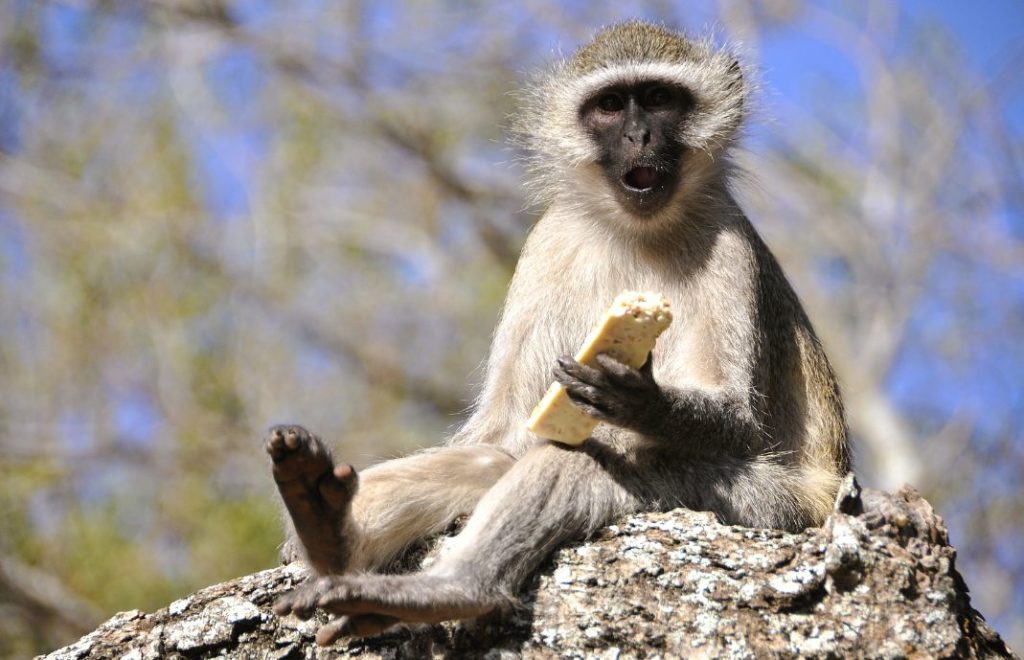
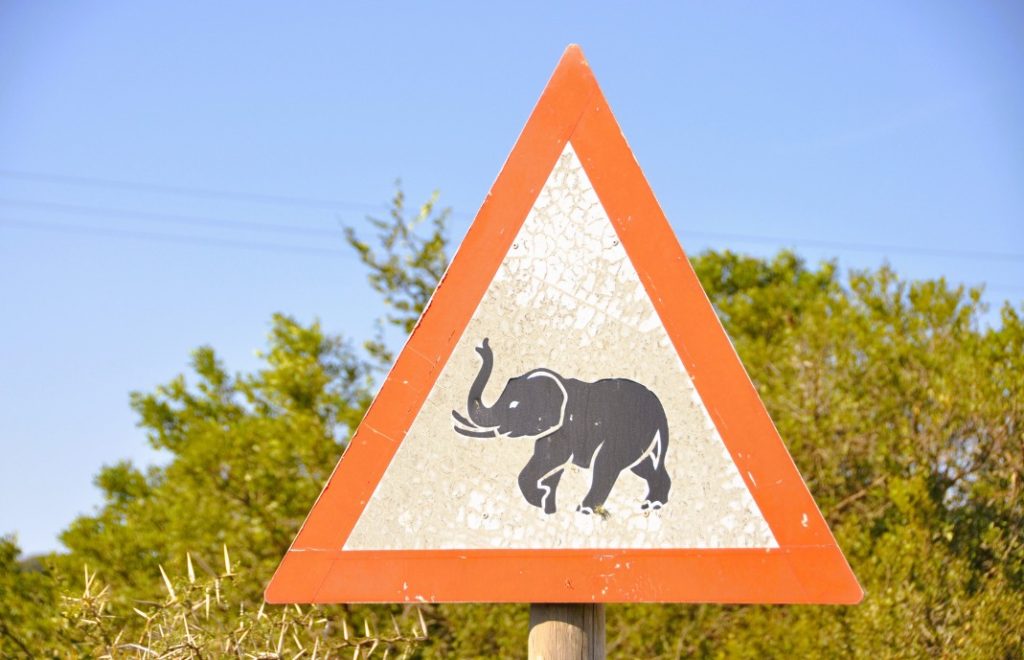
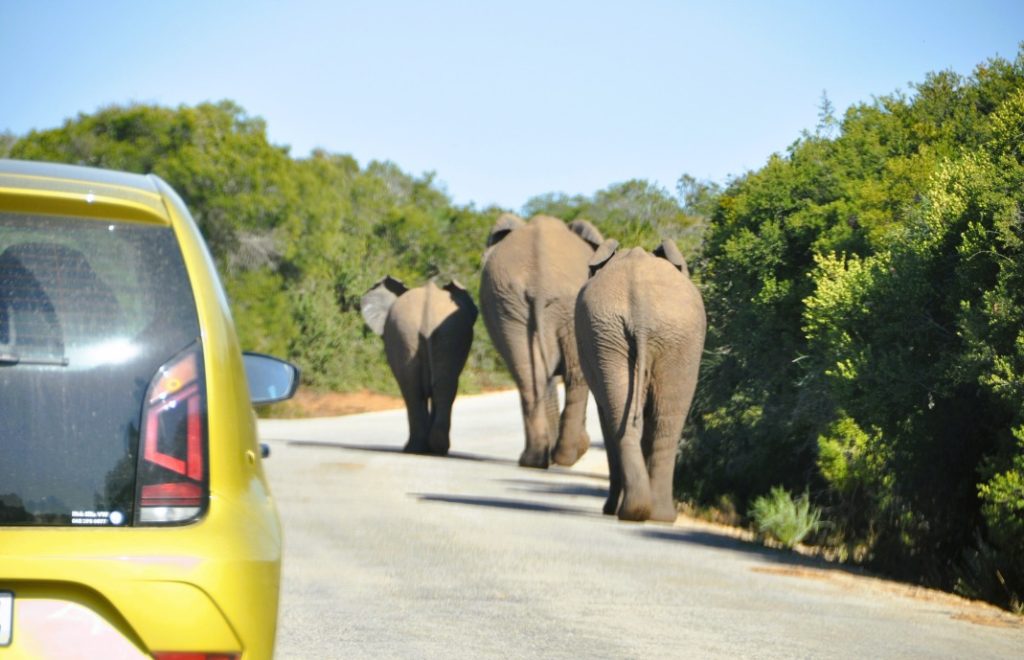
Keep an eye out for animals on the road, especially baboons in rural and mountainous areas. They have little regard for right-of-way.
Traffic regulations largely mirror those in Europe, with a few quirky differences.
For instance, a “robot” is simply a traffic light. And when you see a sign before an intersection that reads “4-Way Stop,” it means everyone stops – and the vehicle that arrives first goes first. In practice, this can lead to some confusion. Making eye contact, reading body language, and using common sense are crucial. At times, we chose to yield our right-of-way for the sake of harmony.
Many highways have a wide shoulder lane, used by slower drivers to let others pass. Flashing your hazard lights afterward is the customary thank-you. But be cautious – shoulders are also used by pedestrians, stalled vehicles, and suddenly disappear at bridges and junctions. Only move into them when visibility is clear and safe.
Street lighting is rare outside major cities. Driving after dark can be nerve-wracking – from unexpected pedestrians to animals and unlit vehicles – so it’s best avoided whenever possible.
Some highways are toll roads. Ask your rental company which lanes to use at toll booths. Most vehicles come with a toll tag, and the charges will be deducted from your credit card later.
Speed Limits:
- Urban areas: 50 km/h
- Rural roads: 90 km/h
- Motorways: 120 km/h
Driving in South Africa is an adventure in itself – equal parts exhilarating and eye-opening. With a bit of local knowledge and a flexible attitude, it’s one of the best ways to explore the country’s vast and varied landscapes.
A grateful salute to our hosts
A heartfelt and warm thank-you to the generous partners who invited us to experience the wonder and diversity of South Africa.
We were fortunate to be hosted at the following accommodations:
The Grand Daddy, The Commodore Hotel, Fancourt Golf Estate, Hog Hollow Country Lodge, Tsitsikamma Village Inn, Kelway Port Elizabeth, The Beach Hotel, Water Lodge (Pumba Private Game Reserve), Hlosi Game Lodge (Amakhala Game Reserve), Antbear Lodge, The Cavern Resort & Spa, Witsieshoek Mountain Lodge, and Rissington Inn.
The following unforgettable experiences were also kindly provided:
- Wine tasting in Stellenbosch
- A visit to an ostrich farm and olive oil tasting in Oudtshoorn
- Golf at Fancourt Golf Estate
- A township tour in Knysna
- Visits and guided tours at Monkeyland, Birds of Eden, and Jukani Wildlife Sanctuary
- Dolphin and whale watching in Port Elizabeth
- Safaris at Pumba and Amakhala Private Game Reserves, including park fees
- An awe-inspiring bird of prey show at Falcon Ridge
- A breathtaking helicopter flight over the Drakensberg Mountains
No expectations were set by the hosts regarding blog or social media content. The stories I’ve shared are entirely my own – genuine reflections, honest impressions, and personal insights drawn from the journey.
