
They say size doesn’t matter – and when it comes to Nairobi National Park, that couldn’t be more true. Spanning just 118 square kilometers, this compact park offers an unforgettable safari experience right on the edge of a major metropolis.
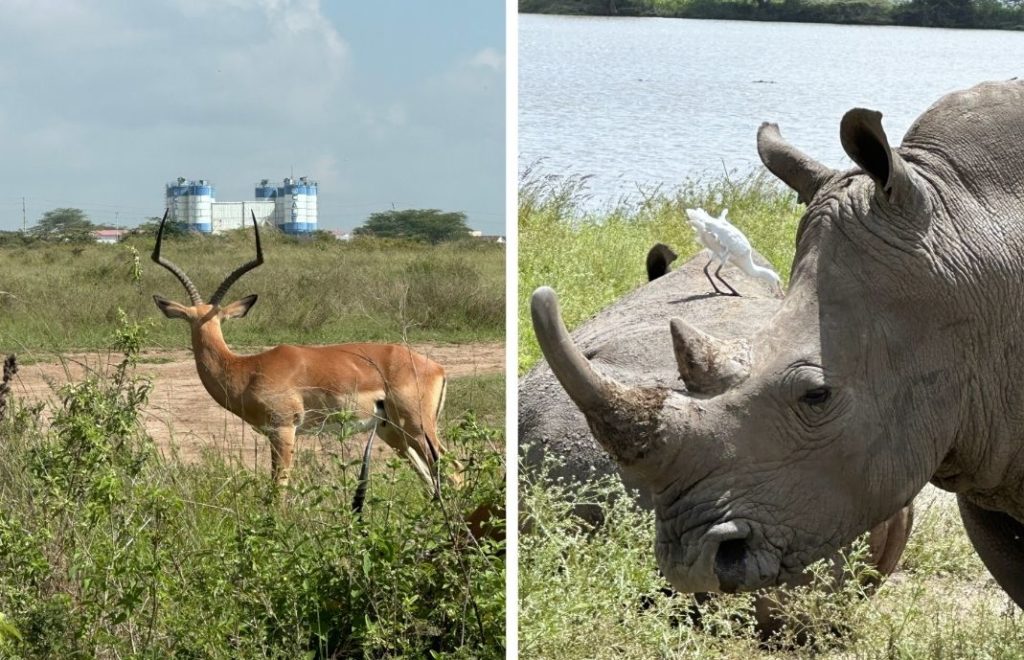
What makes Nairobi National Park truly extraordinary is its location. Just 6.4 kilometers from downtown Nairobi, it’s the only place in the world where you can see endangered rhinos grazing with a skyline of skyscrapers in the background – a surreal and unforgettable sight.
Most travelers landing in Kenya head straight for the country’s more famous national parks – Masai Mara, Tsavo, or Amboseli.
But make no mistake: Nairobi National Park is well worth a spot on your itinerary. It’s the perfect introduction to Kenya’s spectacular wildlife, offering a rich array of animals including lions, giraffes, buffalo, zebras, and more – all just minutes from the capital.
If you’re looking for a thrilling, easily accessible safari without the long travel times, Nairobi National Park is your wild and wonderful gateway.
Safari in Nairobi National Park
At just 118 square kilometers, Nairobi National Park ranks among the smallest national parks in Africa – but don’t let its modest size fool you. This compact wilderness is home to a surprisingly rich variety of wildlife, making it one of the continent’s most accessible and rewarding safari destinations.
The park is home to four of the famed Big Five – with only elephants missing from the lineup. These gentle giants require more space than the park can provide, but their absence is more than made up for by what you can see.
One of the biggest highlights is the armored, prehistoric-looking rhinoceros. Nairobi National Park offers one of the best chances anywhere in Africa to spot these critically endangered giants, both black and white rhinos – an encounter that leaves a lasting impression.
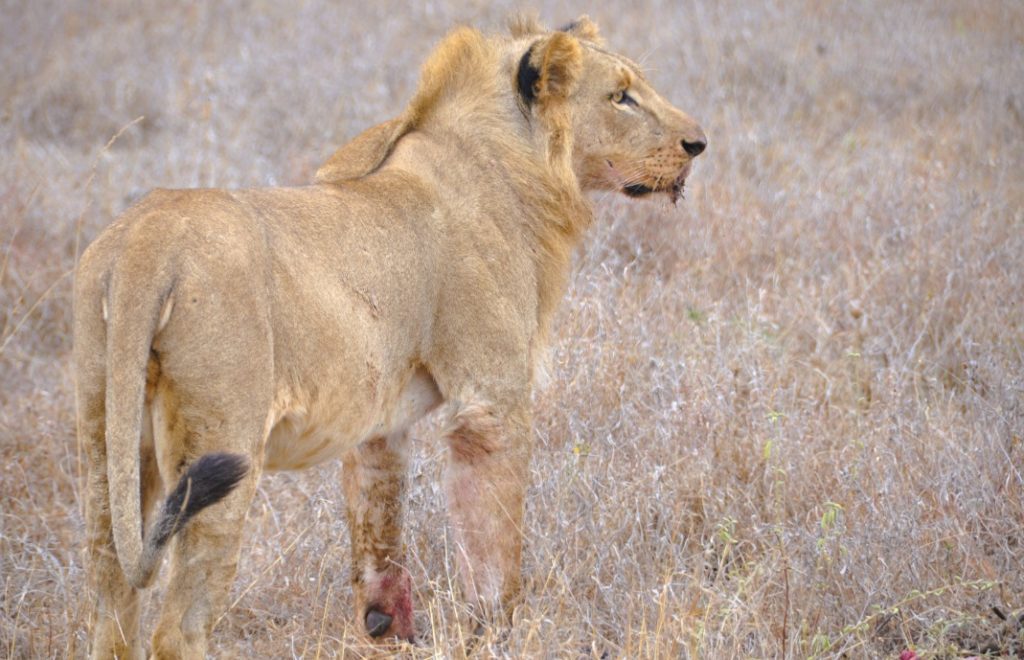
Predator sightings are also common. The park supports healthy populations of lions, leopards, cheetahs, and hyenas, offering visitors the thrill of seeing Africa’s top hunters in action.
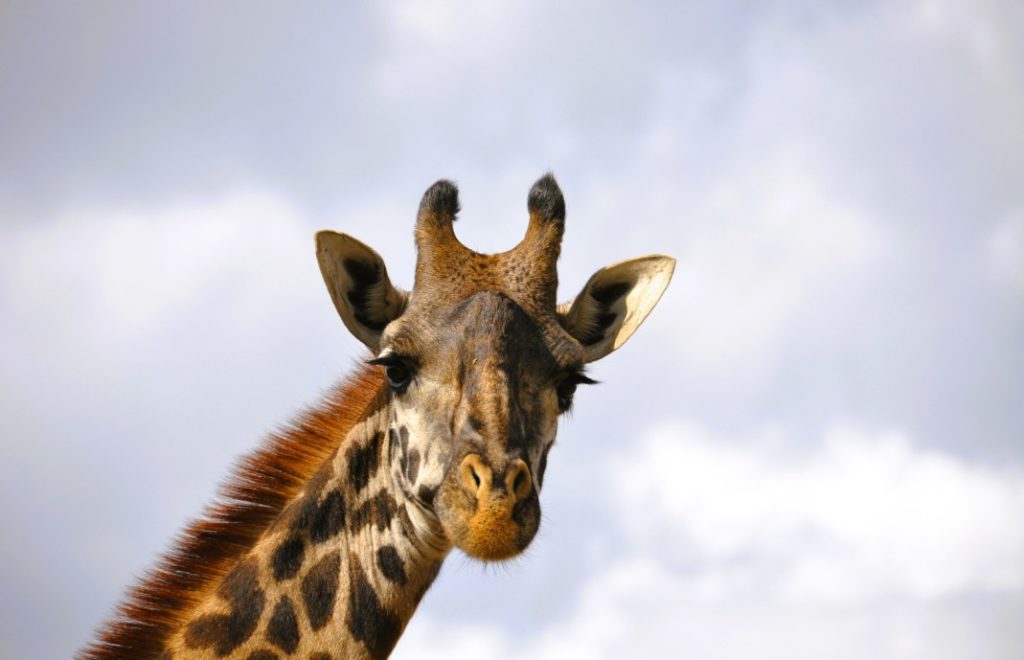
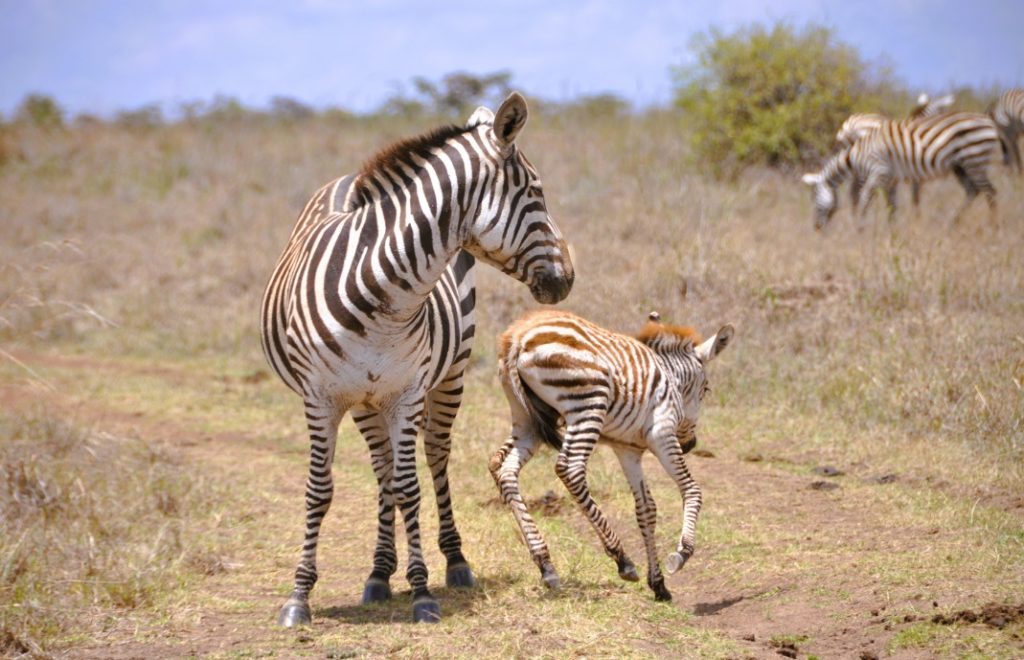
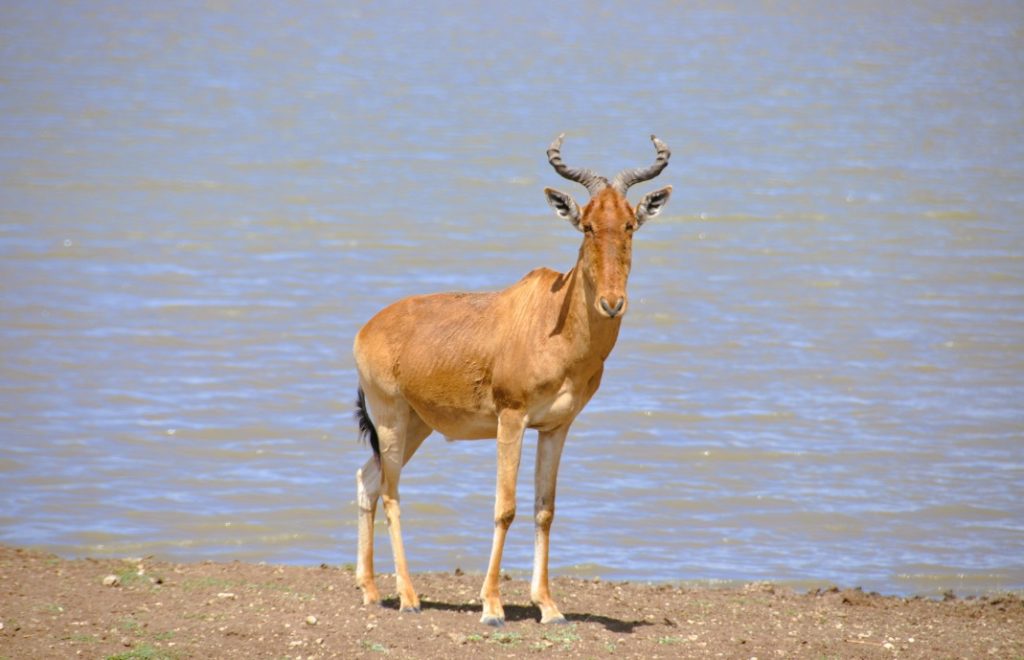
And of course, the savannah is dotted with graceful herbivores: giraffes, antelopes, and zebras, all grazing freely in this stunning, open landscape.
Bird enthusiasts are in for a treat too – Nairobi National Park is a haven for birdlife. Among the most eye-catching are vultures and ostriches, often seen striding purposefully across the plains, adding a dramatic flair to an already unforgettable safari.
In short, Nairobi National Park is a wild wonderland just minutes from the city – perfect for travelers who want big game in a small window of time.
How to go on safari in Nairobi National Park
The best way to experience Nairobi National Park is from the seat of an open safari vehicle, accompanied by a knowledgeable guide. With someone else behind the wheel, you’re free to scan the horizon for wildlife while your guide brings the landscape to life – sharing insights into the animals, flora, and ecology around you.
Another major advantage of hiring a vehicle with a driver/guide is their insider network. Guides are in constant communication with one another, tipping each other off to recent animal sightings. This significantly boosts your chances of seeing the species at the top of your wishlist.
Your second option is to self-drive. If you go this route, be sure to rent a reliable 4×4 vehicle, as the roads inside the park can be bumpy and unpredictable – especially after rain.
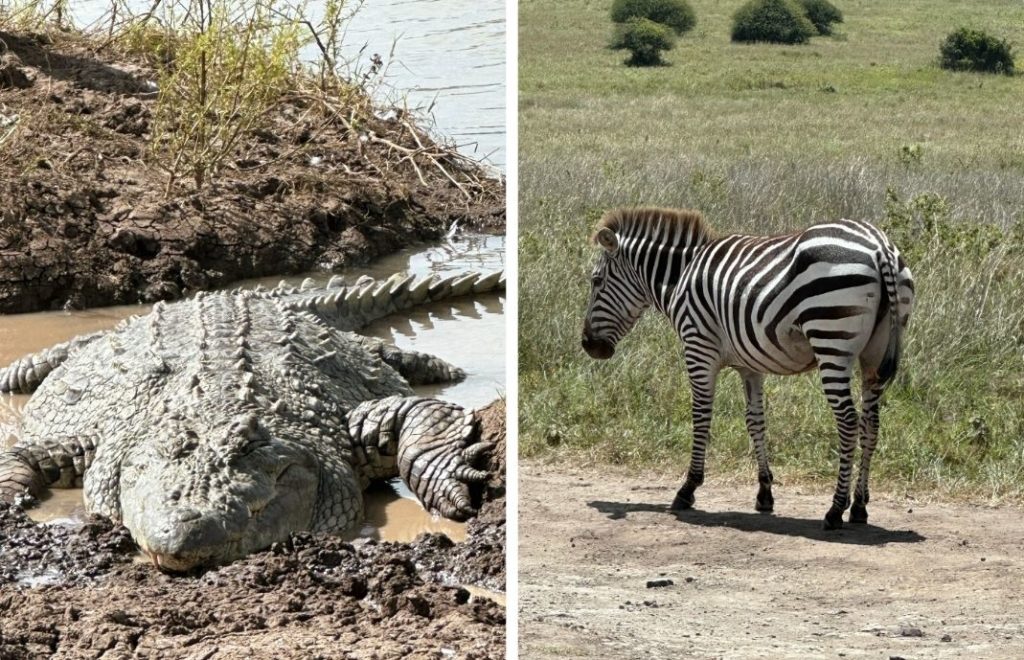
Nairobi National Park is home to a wealth of predators and four of the Big Five (elephants are the only no-show). While big cats and rhinos often top the list of must-see animals, don’t overlook the so-called “ordinary” ones. Watching zebras graze, warthogs snuffle through the grass, or giraffes glide past with unhurried grace is pure safari magic.
Soak in every minute – and every creature you encounter. There’s something extraordinary about even the smallest wildlife moments here.
For the best game viewing, aim for early morning or late afternoon. That’s when the animals are most active, and your chances of incredible sightings are at their peak.
The park also offers designated picnic spots, allowing you to enjoy breakfast or lunch surrounded by Kenya’s raw, untamed beauty. Just you, your sandwich – and maybe a giraffe or two in the distance.
More inspiration: Safari in Nairobi National Park
When is the best time for safari in Nairobi National Park?
Nairobi National Park is open year-round, but for optimal safari conditions, the best time to visit is between December and March, and from July to September. These are the drier months, when wildlife is easier to spot and the roads are more accessible.
The rainy seasons fall between April and June, and again from October to November. During these months, the park’s dirt roads can become muddy and challenging to navigate. If you’re visiting during the rainy season, it’s highly recommended to hire a vehicle with a driver/guide who knows how to handle the terrain.
That said, there’s a silver lining to the rains: fewer visitors. If you don’t mind a bit of mud and unpredictability, the wet season offers a quieter, more intimate safari experience – with the park’s lush, green landscape adding a whole new layer of beauty.
Whether you choose the dry months for ease and abundance or the rains for tranquility and solitude, Nairobi National Park promises something unforgettable all year long.
The history of Nairobi National Park
In the late 1800s, British colonial settlers arrived in the area that is now Nairobi National Park – a landscape then teeming with wildlife. At the time, the Maasai people lived here, herding cattle among wild animals, while the Kikuyu cultivated crops in the forested highlands outside Nairobi.
As Nairobi expanded, conflicts between humans and wildlife increased. It wasn’t uncommon for city residents to carry weapons at night to protect themselves from lions. Over time, animals were pushed out to the open plains west and south of the city.
Recognizing the growing pressure on wildlife, the government declared this remaining wilderness a game reserve.
When famed conservationist Mervyn Cowie returned to Kenya in 1932, he was shocked by what he saw: a dramatic drop in animal numbers. Farms and livestock had rapidly overtaken areas once ruled by wild creatures. Cowie would later recall how this land had once seemed like paradise, now vanishing before his eyes.
At that time, the area that would become Nairobi National Park was still part of the Southern Game Reserve. While hunting was banned, nearly every other activity was allowed – including cattle grazing, waste dumping, and even bombing practice by the Royal Air Force.
Cowie’s legacy and thebBirth of Kenya’s National Parks
Mervyn Cowie wasn’t content to simply mourn the loss of wildlife. He launched a campaign to establish a formal system of national parks across Kenya. His efforts spurred the government to form a dedicated committee to explore the idea.
In 1946, Nairobi National Park became the first national park in Kenya – a groundbreaking achievement for wildlife conservation not just in Kenya, but across the continent. As part of this move, Masai pastoralists, who had long grazed their livestock in the area, were forcibly removed from lands now designated within the park’s boundaries.
Cowie was appointed the park’s first director, a position he held until 1966, during which time he laid the groundwork for Kenya’s national parks system and helped establish a global standard for conservation.
In 1989, Kenya made international headlines when then-President Daniel arap Moi publicly burned 12 tons of confiscated ivory within Nairobi National Park. This dramatic act sent a powerful message: Kenya would tolerate no part in the ivory trade. The event was a defining moment in global wildlife conservation and is now commemorated at the Ivory Burning Site Monument, located within the park.
Today, Nairobi National Park stands as a symbol of both Kenya’s conservation legacy and its ongoing fight to protect endangered species – a legacy born of vision, sacrifice, and an unshakable belief in the value of the wild.
Don’t miss: Why you must visit the Ivory Burning Site
More inspiration to Kenya’s incredible national parks:
Explore Kenya’s National Parks
A guide to Lake Nakuru National Park
A guide to Samburu National Reserve
A guide to Masai Mara National Reserve
The Great Migration
A guide to Amboseli National Park
