Tucked away on the rolling prairies of De Smet, South Dakota, Ingalls Homestead is a place where American pioneer history feels strikingly alive. This is the very land where Laura Ingalls Wilder – beloved author of Little House on the Prairie – once lived with her family, carving out a life on the frontier. Today, the homestead offers visitors a rare chance to step directly into that world: to walk the same fields, touch the same soil, and experience the rhythms of prairie life much as the Ingalls family did in the 1880s.
More than a museum, Ingalls Homestead is an immersive, hands-on journey into America’s past. Whether you’re a fan of the books, a lover of history, or a curious traveler seeking a unique cultural experience, this little patch of prairie has a way of surprising you. It’s quiet, authentic, and unexpectedly moving – inviting you to slow down, breathe in the wild grasslands, and imagine what life was like for the early settlers who shaped this region.
It all started when…
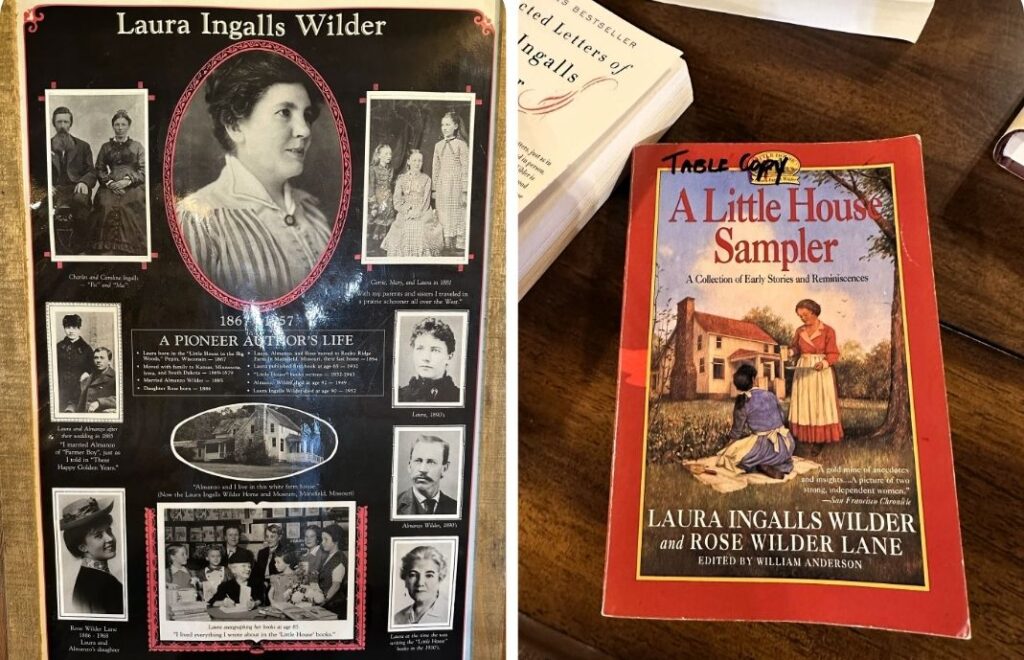
The story of Ingalls Homestead begins in 1879, when Charles and Caroline Ingalls – along with their daughters Mary, Laura, Carrie, and later Grace – traveled west in search of a fresh start. Drawn by the promise of free land under the Homestead Act of 1862, the Ingalls family settled on the open prairies just outside what would become De Smet, South Dakota.
The Homestead Act encouraged families to move west by offering 160 acres of land to anyone who built a home, farmed the soil, and lived on the property for at least five years. For the Ingalls family, this land represented hope: a chance to build stability after years of moving from place to place.
Here, on this very patch of prairie, Charles “Pa” Ingalls planted the first crops, dug the well, built the family’s shanty, and later raised the house that many readers know from Laura Ingalls Wilder’s books. These years in De Smet became some of the most influential in Laura’s life, inspiring several of her most beloved titles, including By the Shores of Silver Lake, The Long Winter, and Little Town on the Prairie.
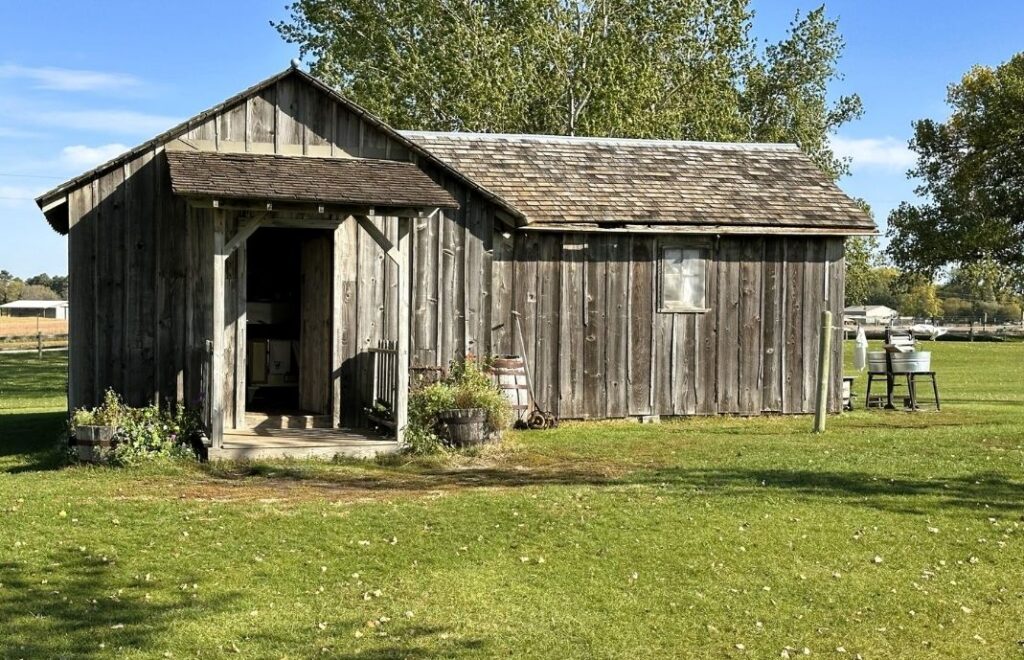
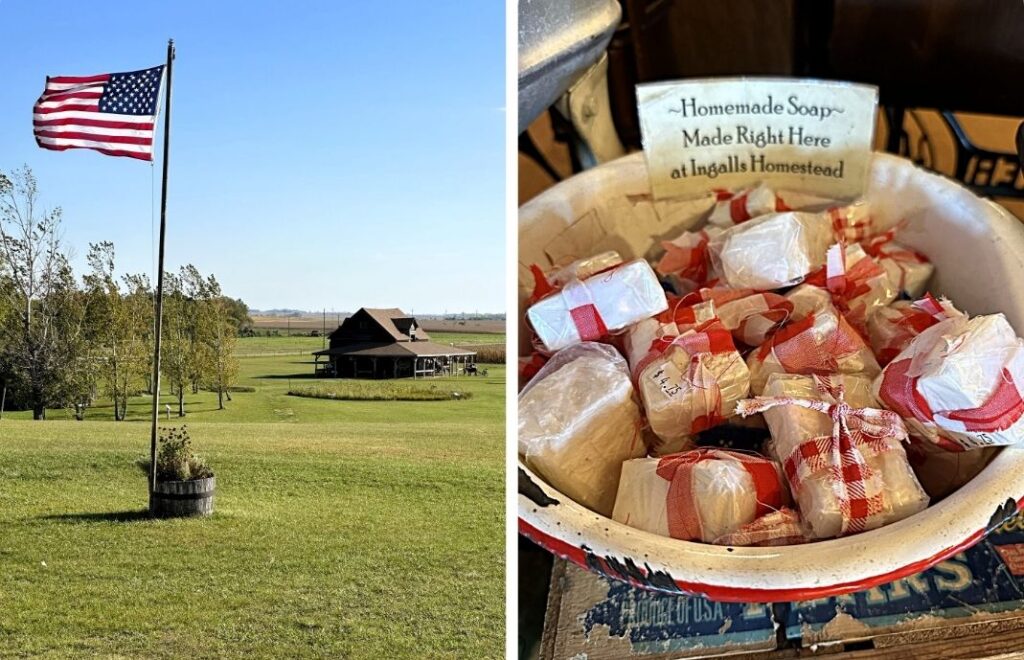
Today, Ingalls Homestead stands as a faithful reconstruction of what the family built and experienced during their homesteading years. The land still feels remarkably open, windswept, and raw – the same landscape that shaped Laura’s memories and later her storytelling.
This is where the Ingalls family put down their deepest roots.
And it’s where the Little House legacy truly began.
What you can see and do on Ingalls Homestead
Ingalls Homestead isn’t a place you simply walk through – it’s a place you experience. Every corner of the property is designed to bring pioneer life to life in a hands-on, authentic way.
Here’s what you can see and do during your visit:
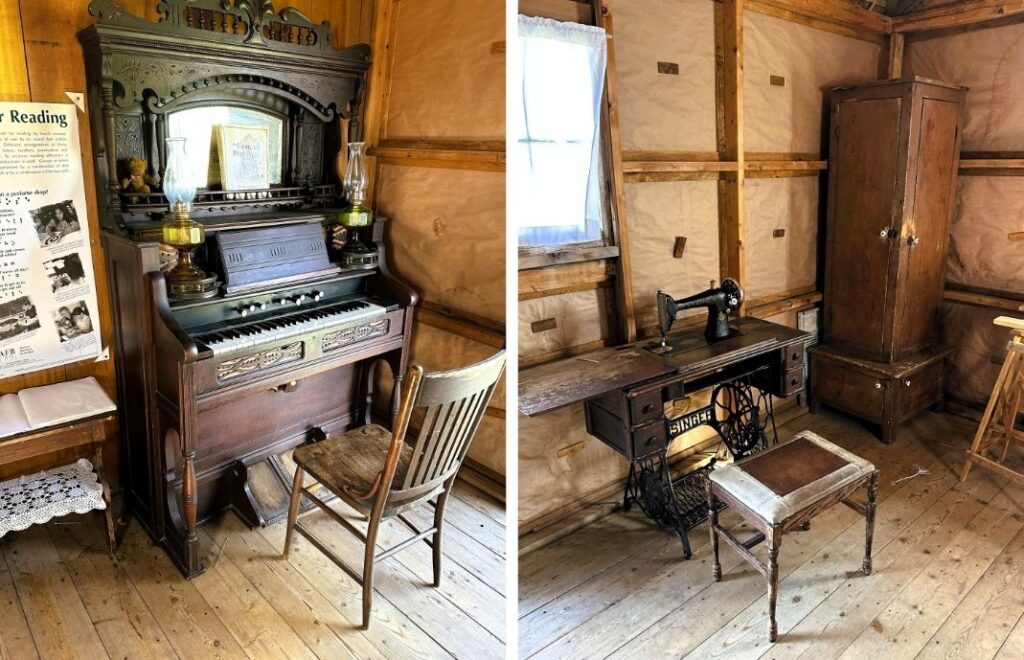
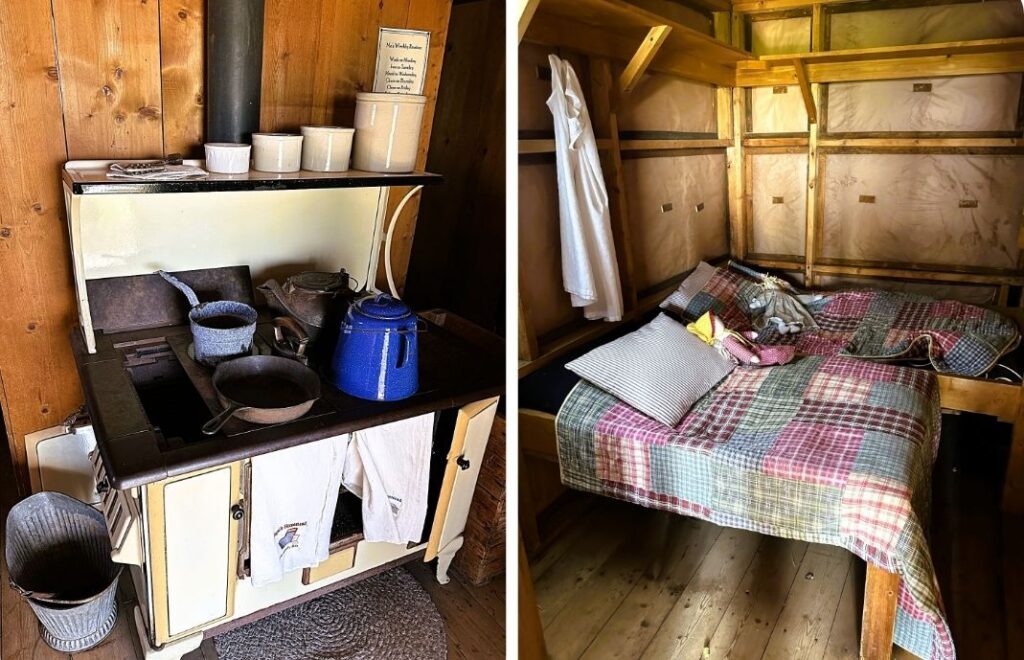
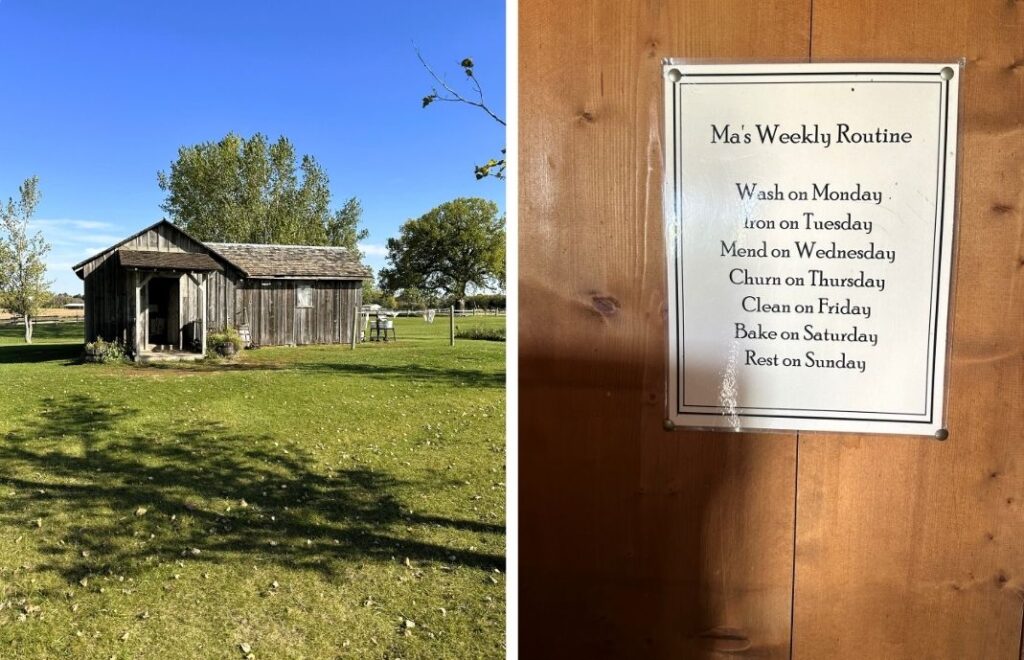
Step inside a pioneer home
The homestead features carefully reconstructed buildings based on historical records:
- The Ingalls’ claim shanty
- The dugout-like lean-to
- Pa’s workshop
- The modest house the family eventually lived in
Walking through these spaces offers a vivid sense of how resourceful – and resilient – the Ingalls family had to be.
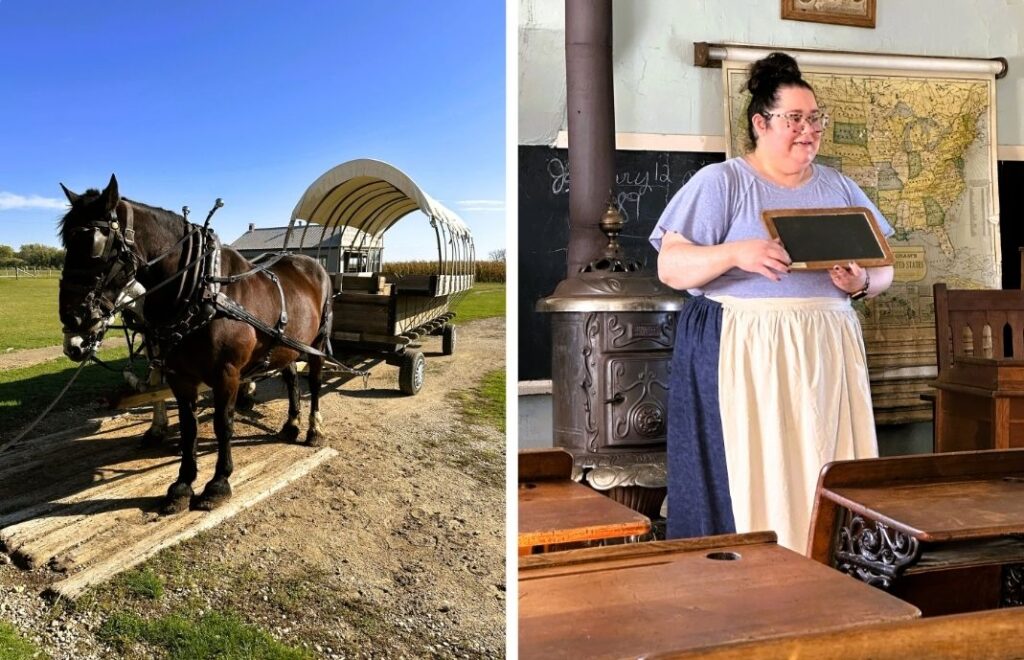
Drive a covered wagon
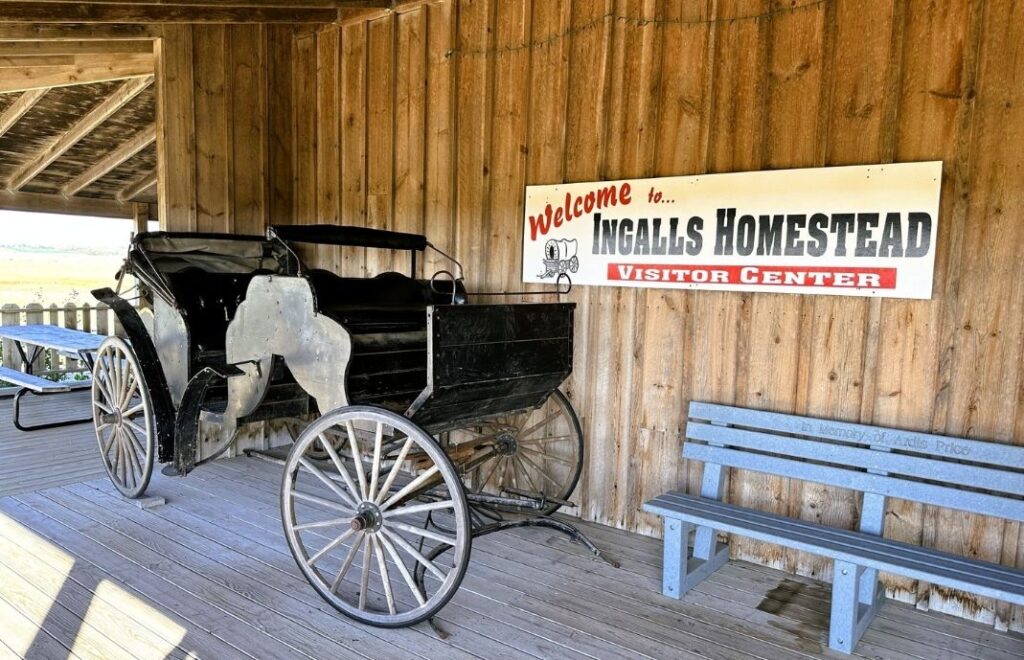
One of the highlights is the chance to ride in a real covered wagon, pulled by gentle horses across the prairie. It’s a rare opportunity to feel exactly how the Ingalls family traveled during their westward journeys.
Try your hand at pioneer skills
Ingalls Homestead is full of activities that invite you to step into 19th-century daily life. Visitors can:
- Twist their own jump rope from twine
- Make a corn cob doll
- Practice washing clothes on a washboard
- Help pump water from the family’s original well site
These simple, tactile tasks offer surprising insight into the labor and rhythms of frontier life.
Visit the Schoolhouse
A replica of the De Smet school gives you a look at what education looked like on the prairie. Seasonal guides often reenact lessons – complete with chalk slates, recitations, and strict 1880s rules.
Meet the animals
The homestead is home to friendly farm animals, including horses, goats, and chickens. Kids especially love this part, but adults will appreciate how central livestock was to pioneer survival.
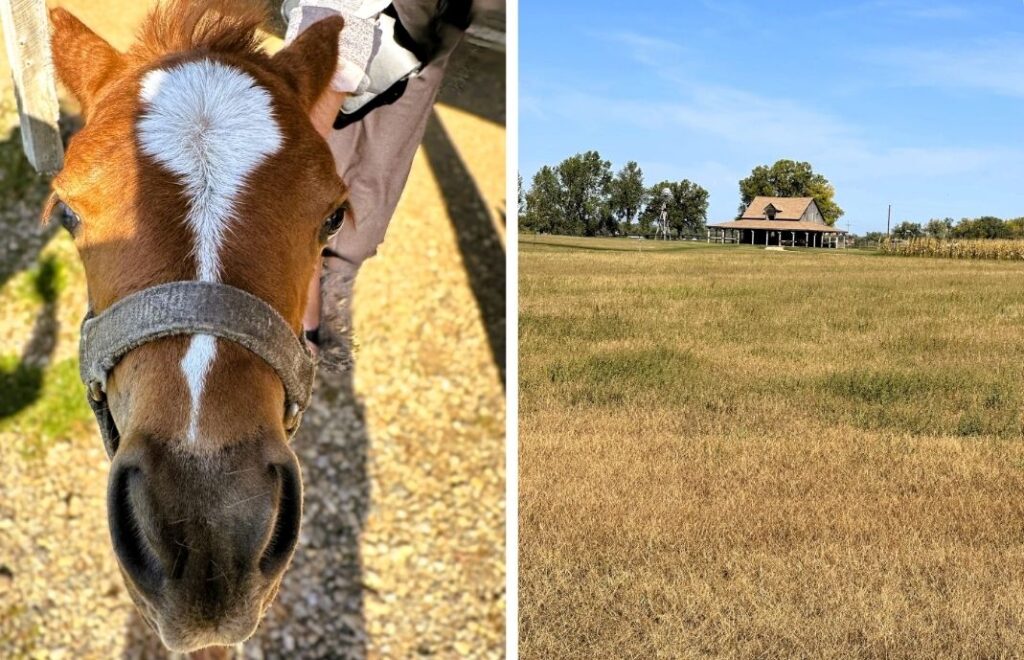
Walk the sweeping prairie
Between the buildings and activities, don’t miss the quiet moments on the land itself. The views here stretch endlessly, with tall grasses swaying in the wind – almost unchanged since the Ingalls family lived here. It’s easy to understand how the prairie shaped both the hardships and the beauty that appear throughout Laura’s books.
Why Ingalls Homestead still matters today
Ingalls Homestead isn’t just a nostalgic stop for fans of Little House on the Prairie – it’s a living reminder of a pivotal chapter in American history. In a world that moves faster every year, the homestead preserves something rare: the chance to slow down and understand how ordinary families shaped a nation.
A window into frontier resilience
The Ingalls story reflects the experience of thousands of settlers who braved harsh winters, unpredictable weather, and the uncertainty of starting over on the prairie. Their perseverance, ingenuity, and hope form the foundation of countless communities across the United States. The homestead captures this spirit in a way textbooks can’t.
A living connection to literature
For millions of readers around the world, Laura Ingalls Wilder’s books were their first introduction to pioneer life. Visiting the homestead brings those stories out of the pages and into the real world. You can stand in the same windswept fields, touch the wooden walls, and hear the prairie winds described so vividly in her writing.
Hands-on history for all ages
In an era dominated by screens, Ingalls Homestead offers an immersive, tactile experience. Instead of observing history from behind glass, visitors participate in it – churning butter, driving a covered wagon, making toys, and exploring structures built in the style of the 1880s. It’s history at its most accessible and engaging.
Preserving a vanishing landscape
Much of the American prairie has been transformed by modern agriculture and development. Ingalls Homestead protects one of the few stretches where the landscape still resembles what settlers once saw: sweeping grasslands, endless sky, and a horizon untouched by buildings. It’s a rare glimpse of an ecosystem – and a way of life – that has nearly disappeared.
A place that inspires reflection
Perhaps the most powerful reason the homestead matters today is its quiet ability to make visitors reflect. Standing here, you feel the weight of the past: the struggles, the hopes, the small triumphs that defined everyday life.
It invites you to consider how far we’ve come – and what has been lost along the way.
Planning your visit: Practical tips and what to expect
Whether you’re a Little House fan or simply curious about pioneer history, a visit to Ingalls Homestead is easy, family-friendly, and surprisingly immersive.
Here’s everything you need to know before you go.
Location: De Smet, South Dakota
Ingalls Homestead sits on the outskirts of De Smet, a small prairie town about:
- 2 hours from Sioux Falls
- 3.5 hours from Rapid City
- 5 hours from Minneapolis
The roads are straightforward, and the drive itself showcases the wide-open landscapes that define this region.
Best time to visit
The homestead is seasonal, typically open from mid-May through September. Summer offers the warmest weather and the most activities, especially for families.
If you prefer fewer crowds, June and early September are ideal.
Admission & opening hours
Entry fees are affordable and help maintain the site. Tickets give you access to:
- All buildings
- Hands-on activities
- Covered wagon rides
- The schoolhouse
- Prairie trails
Hours vary by season, so check ahead before your trip.
Stay overnight in a pioneer-style setting
One of the most unique features of Ingalls Homestead is the chance to camp on the prairie. Options include:
- Covered wagons
- Bunkhouses
- RV sites
- Traditional tent camping
Waking up to a sunrise over the grasslands is an unforgettable experience.
What to bring
The prairie is beautiful, but the weather can change quickly.
Bring:
- Sunscreen and a hat
- Comfortable walking shoes
- Water (especially in summer)
- A light jacket for breezy evenings
- Camera for those sweeping landscapes
What to expect on the Homestead
A visit to Ingalls Homestead is self-guided but interactive.
Expect:
- Friendly staff and seasonal “pioneers” who demonstrate skills
- Plenty of space to explore at your own pace
- Hands-on activities that are great for kids and adults
- A slow, peaceful atmosphere – no rush, no crowds, no noise
Most visitors spend 2–3 hours, but history lovers can easily spend half a day.
Pair your visit with De Smet sites
While in town, consider visiting other related sites, such as:
- The original Ingalls family surveyors’ house
- The first school of Laura and Carrie
- The De Smet Cemetery, where several family members are buried
Together, they create a complete picture of the Ingalls’ life in Dakota Territory.