
Wyoming is a state shaped by extremes – vast open spaces, powerful geological forces, and landscapes that feel largely untouched by time. It is a place where nature dominates the horizon and human presence feels secondary to the scale of the land. From erupting geysers and jagged mountain peaks to ancient fossils and towering rock formations, Wyoming’s most iconic sites tell a story that spans millions of years.
This article explores four of Wyoming’s most defining natural icons: Yellowstone National Park, Grand Teton National Park, Devils Tower, and Fossil Butte National Monument. Each represents a different chapter of the state’s natural and cultural history, offering travelers a deeper understanding of why Wyoming holds such a unique place in the American imagination. Together, these landmarks showcase the raw beauty, scientific importance, and enduring wildness that continue to draw visitors from around the world.
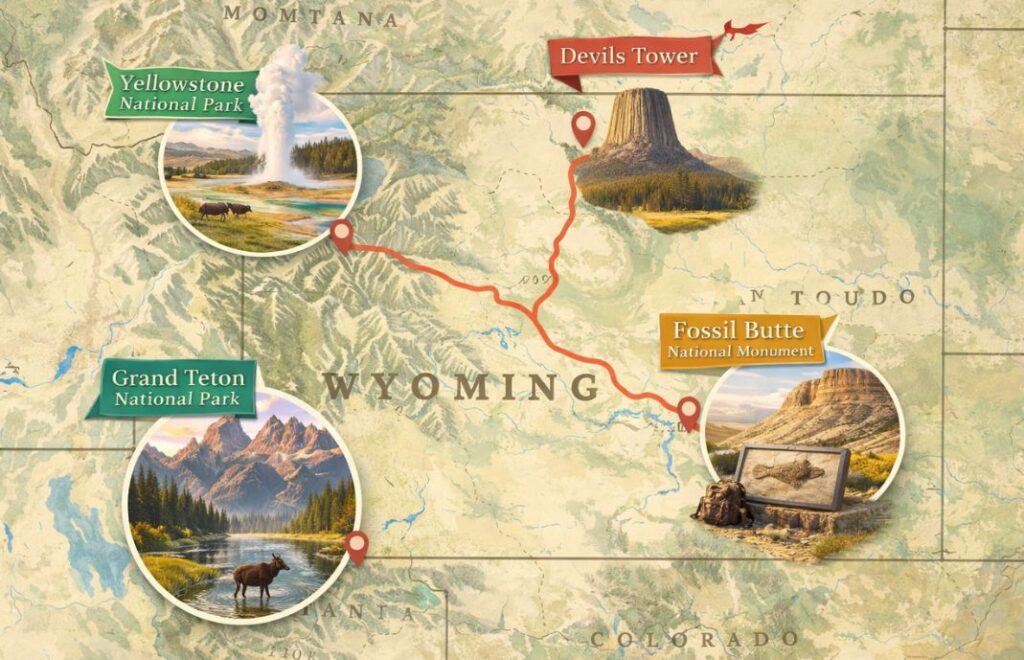
Yellowstone National Park
Yellowstone National Park is one of the most extraordinary natural areas on Earth and a cornerstone of Wyoming’s identity. As the world’s first national park, it protects a vast and powerful landscape shaped by volcanic forces, where geysers erupt, hot springs glow with intense colors, and steam rises from the ground year-round.
Beyond its geothermal wonders, Yellowstone is also one of the best places in North America to observe wildlife in its natural habitat. Wide valleys, rivers, forests, and high plateaus support bison, wolves, bears, elk, and countless other species, creating a living ecosystem that feels both ancient and alive.
Yellowstone is a destination that rewards curiosity. Whether you’re drawn by its dramatic scenery, unique geology, or iconic wildlife, it offers far more than can be seen on a single visit. Yellowstone is a place best explored in depth, slowly revealing why it remains one of the most fascinating landscapes in the world.
More inspiration: 11 things you didn’t know about Yellowstone National Park
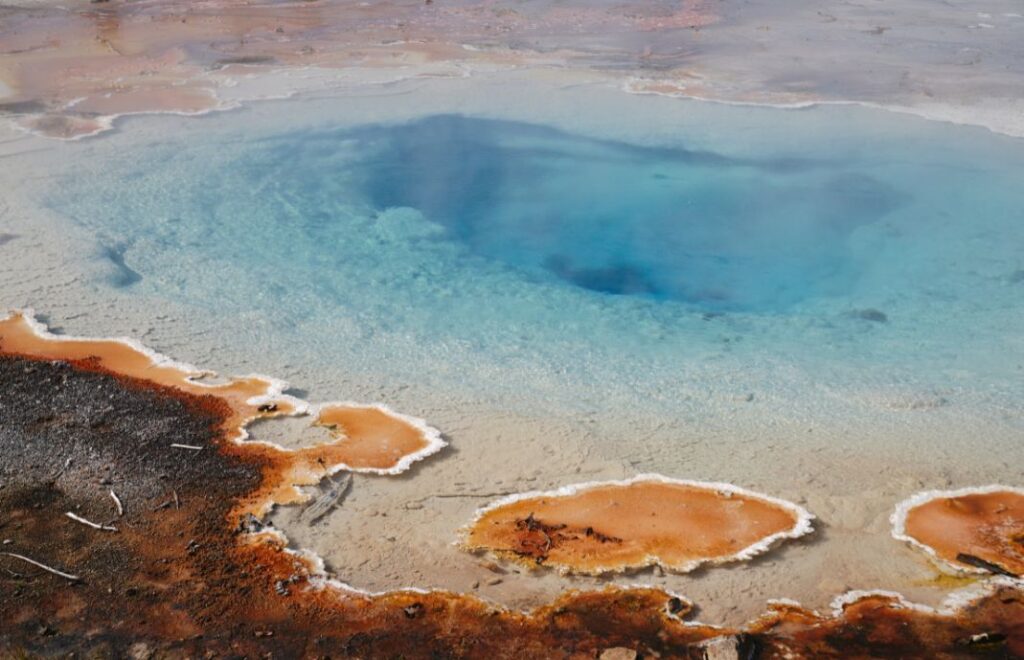
Grand Teton National Park
Grand Teton National Park is defined by one of the most dramatic mountain landscapes in North America. The Teton Range rises sharply from the valley floor, creating a powerful and instantly recognizable skyline that feels both raw and elegant. Unlike many mountain regions, there are no foothills here – just a sudden, breathtaking transition from open plains to towering peaks.
The park offers a quieter, more intimate experience compared to some of its famous neighbors. Crystal-clear lakes, winding rivers, and wide meadows create a sense of balance between grandeur and calm, while wildlife moves freely across the landscape. Light plays a major role here, with sunrise and sunset transforming the mountains into constantly shifting works of art.
Grand Teton National Park is a place that invites you to slow down and truly observe. Whether you’re visiting for scenic views, outdoor adventure, or simply to experience the atmosphere of the American West, the Tetons leave a lasting impression. One that often draws travelers back for deeper exploration.
More inspiration: A traveler’s guide to Grand Teton National Park
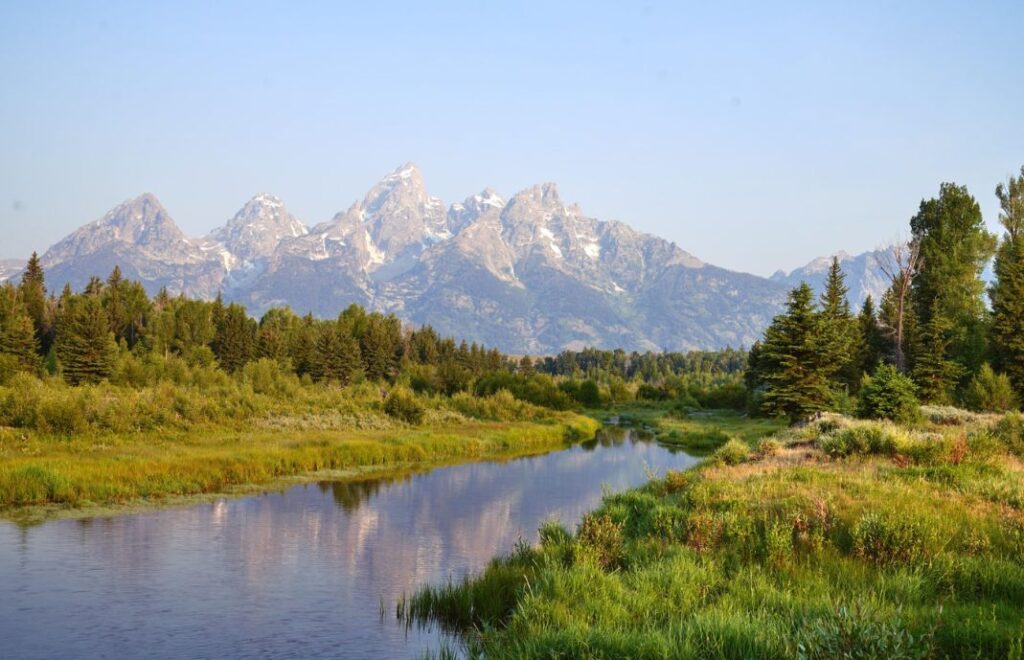
Devils Tower
Devils Tower is one of the most distinctive natural landmarks in the United States. Rising abruptly from the rolling plains of northeastern Wyoming, this massive rock formation feels almost otherworldly, standing in complete contrast to the surrounding landscape. Its sheer vertical columns and isolated presence make it instantly recognizable, even from miles away.
Beyond its striking appearance, Devils Tower holds deep cultural and spiritual significance for many Native American tribes, who consider it a sacred site. The monument also occupies a unique place in American popular culture, adding to its sense of mystery and intrigue.
Visiting Devils Tower is less about covering distance and more about presence. Whether viewed from afar or explored up close, it leaves a powerful impression – one that sparks curiosity about its origins, meaning, and enduring place in Wyoming’s landscape.
More inspiration: A complete guide to Devils Tower
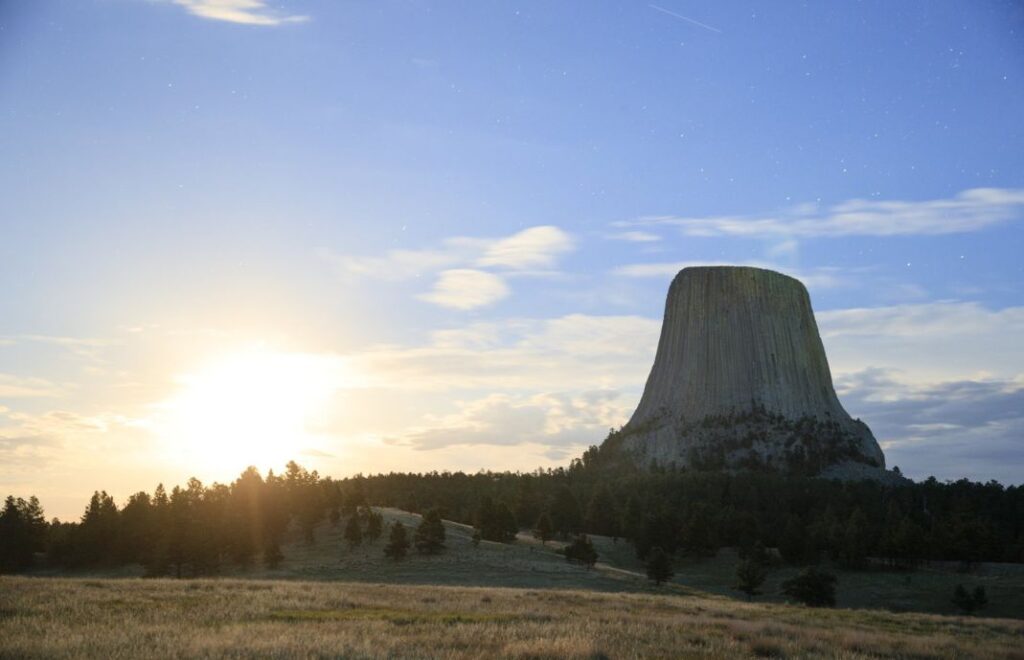
Fossil Butte National Monument
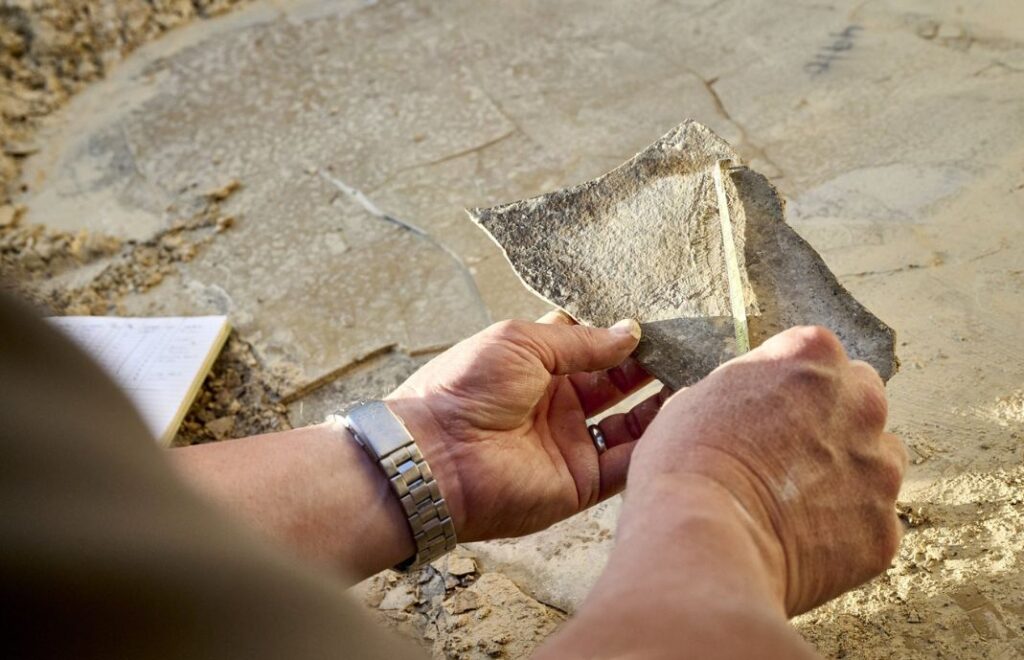
Fossil Butte National Monument offers a very different perspective on Wyoming’s natural history – one that looks deep into the past rather than across vast landscapes. This remote and often overlooked site protects one of the world’s richest fossil deposits, preserving an ancient lake ecosystem that existed over 50 million years ago.
The monument is best known for its exceptionally well-preserved fossils, including fish, insects, plants, and even early mammals. These discoveries provide an extraordinary window into prehistoric life and have made Fossil Butte National Monument internationally significant for science and research.
Unlike Wyoming’s more dramatic mountain and geothermal icons, Fossil Butte is quiet, subtle, and contemplative. It appeals to travelers interested in geology, paleontology, and lesser-known destinations, offering insight into the deep time that shaped the landscapes seen across the state today.
Main photo: Wyoming Office of Tourism
This post is a collaboration with Wyoming Office of Tourism. I am grateful for their cooperation.
