
Traveling is amazing and you get to see and experience different cultures, traditions, and new places. But traveling also comes with responsibility, and it’s crucial to be aware of the darker side of travel.
All of us have been tempted to bring something special home from our adventure. But not every souvenir is harmless. Some products are made from endangered or protected animals and buying them supports illegal wildlife trade.
From ivory and turtle shell to coral, skins, bones, horns, and feathers, these items may look exotic, cultural, and decorative, but they have a devasting impact on wildlife. They are also illegal to buy, carry across borders, or bring home.
I encourage you to explore the world but also to be a responsible traveler. That means you must know what to avoid. Bring back great stories and meaningful experiences. Not souvenirs that harm the natural world.
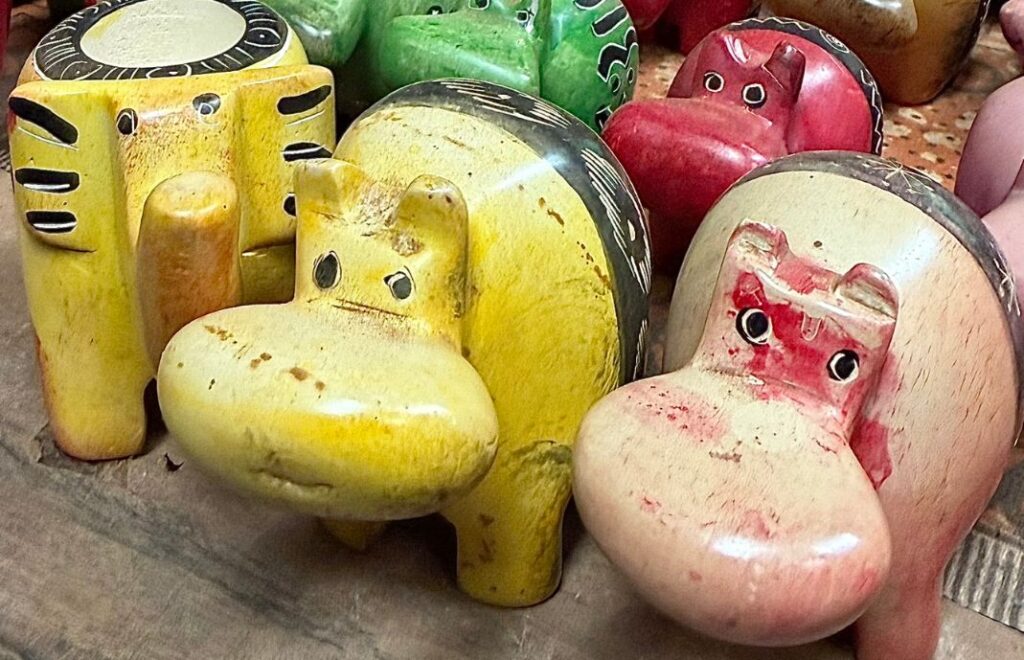
Ivory products
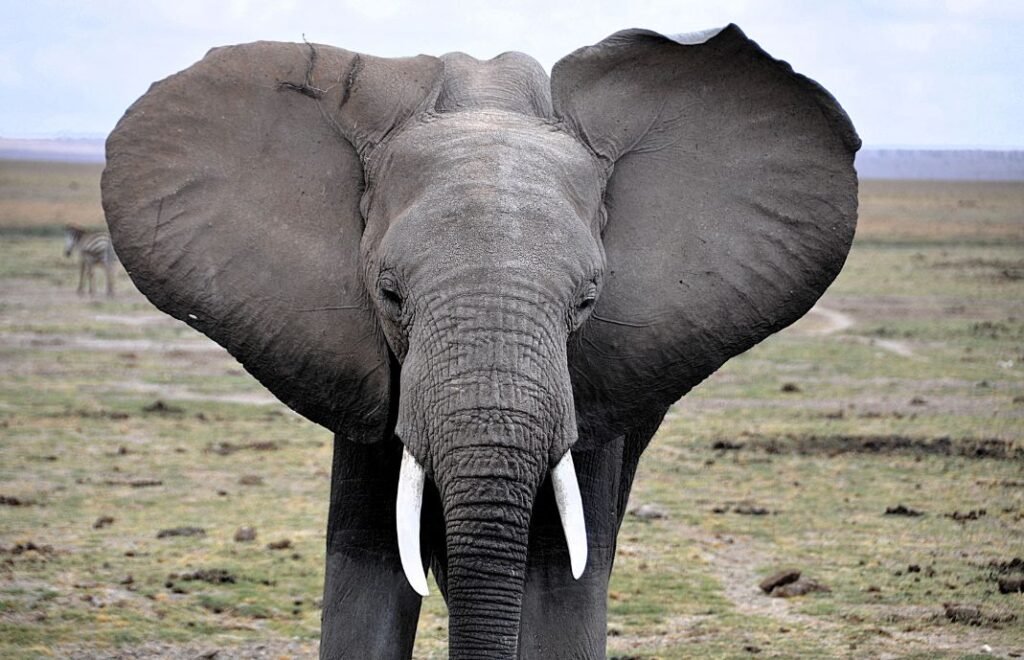
Only elephants should wear ivory. It’s that simple.
Ivory is one of the most important animal products to avoid when traveling. It is often carved into jewelry, figurines, ornaments, chopsticks, or small decorative items. Behind these polished souvenirs is a brutal trade that has devastated elephant populations.
Buying ivory helps keep demand alive. Do not listen to sellers who claim the item is old, legal, og ethically sourced. In many countries, ivory trade is heavily restricted or completely illegal, and travelers can face serious problems if they try to bring it across borders.
There is one rule and one rule only: DO NOT buy ivory in any form. A souvenir should never come at the cost of an elephant’s life.
More inspiration: Why you must visit the Ivory Burning Site
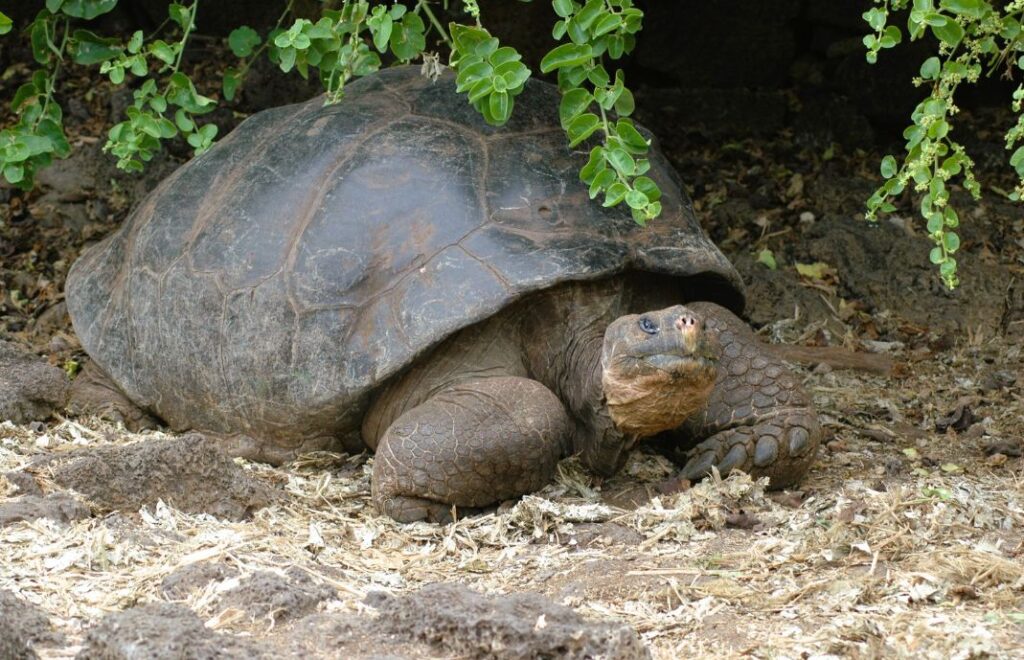
Turtle and tortoiseshell souvenirs
Did you know that 6 out of 7 turtle species are endangered?
Turtle- and tortoiseshell products may appear as combs, bracelets, boxes, ornaments, or decorative inlays. You may think they are synthetic alternatives but come from endangered sea turtles and tortoises.
These amazing animals are already under pressure due to habitat loss, fishing nets, pollution, egg collection, and illegal trade. Buying shell products adds to that pressure and can also cause legal trouble when crossing borders.
Avoid anything made from tortoiseshell, bekko, or turtle shell. That’s how you contribute to keeping the turtles in the ocean and tortoises in the wild.
Seahorse souvenirs
These charming and slow-moving animals with unique breeding behavior and are vulnerable to overfishing, habitat loss, and illegal trade.
Dried seahorses are sold as souvenirs, decorations, keychains, curios, or ingredients in traditional remedies. They may look small and harmless, but the trade in seahorses puts pressure on fragile marine populations.
Buying dried seahorses encourages their removal from the ocean and can also create problems at customs. Avoid seahorse products in any form. They belong in coral reefs, seagrass beds, and mangroves – not in a suitcase.
Coral and seashell souvenirs
Coral reefs are living habitats that support fish, turtles, seahorses, and countless other marine animals. Buying coral products, especially red and black coral, or large polished pieces, contribute to reef destruction and illegal trade.
Coral and seashells are often sold as jewelry, decorations, ornaments, or beach souvenirs, but they are not always harmless finds. They may come from protected reefs or threatened marine species. Removing them will damage the fragile ocean ecosystems.
You should not buy – or even collect – corals or seashells when you are traveling. If every tourist took just one, it turns into large quantities. Enjoy (and leave) shells and corals where they belong: on the beach or beneath the sea.
Hummingbird charm souvenirs
These beautiful birds are important pollinators and are already vulnerable to habitat loss, climate change, and illegal wildlife trade. Buying hummingbird charms supports demand for a product that should never be treated as a souvenir.
Hummingbird charms are sold as love charms, amulets, decorations, or ingredients in traditional rituals. They may be tiny, colourful, and easy to overlook in markets, but they come from real hummingbirds taken from the wild.
Avoid dried hummingbirds, charms, feathers, or any item claiming to contain hummingbird parts. Their beauty belongs in flight, not on a necklace or market stall.
Bird souvenirs
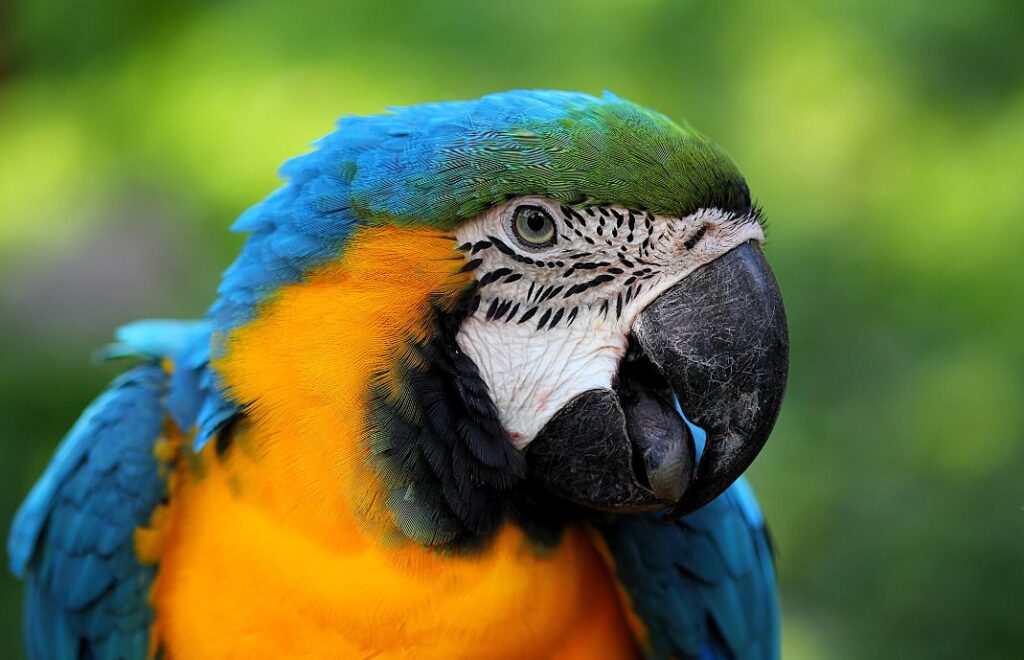
The bird trade is especially harmful because it targets rare, colorful, or unusual species. Parrots, raptors, hummingbirds, and other wild birds are all affected by demand for feathers, skin, charms, and decorative pieces.
Bird-related souvenirs include feathers, stuffed birds, wings, claws, beaks, ornaments, jewelry, masks, fans, or decorative items made with colourful plumage. They are sold as traditional crafts or exotic keepsakes. Many birds are protected, and some products come from illegally trapped or killed wildlife.
Never buy souvenirs from real birds or bird parts. You should opt for bird-inspired art instead of anything taken from an actual bird.
Animal skins and furs
Some skins and furs may be legal, but there are many, many products that come from protected or illegal hunted animals. These include big cats, reptiles, primates, antelopes, and other wildlife.
Products include rugs, belts, jackets, drums, bags, wall decorations, and traditional-looking souvenirs. These items can be difficult for travelers to verify, especially in busy markets where sellers claim they are old, farmed, or legal. Even small pieces of skin, fur, or leather can cause problems at customs if they come from a protected species.
The best option is to avoid buying animal skins, furs, and products made from wild animal parts. Admire wild animals as they roam freely in the parks. They are not something you should bring home in your luggage.
Shark fins in food
Many sharks are slow to reproduce, which makes them especially vulnerable to overfishing. Removing large numbers of sharks also affects the balance of marine ecosystems, as sharks play an important role as top predators.
Shark fins are most associated with shark fin soup, but they may also appear in other so-called luxury dishes or traditional menus. Although often presented as a status symbol, shark fin products are linked to a trade that has caused serious harm to shark populations around the world.
Avoid ordering shark fin dishes when travelling, even if they are offered as a local specialty or celebration food. Choosing not to eat shark fin is a simple way to help reduce demand and protect the health of the oceans.
Snake wine consumption
Snake wine is often sold as a traditional drink, novelty item, or exotic souvenir, sometimes with a whole snake preserved inside the bottle. It may look like something unusual to try while travelling, but it can involve wildlife taken from the wild, including protected or threatened snake species.
Some believe it’s medicinal (untrue) while others like the oddness. The truth is, it is a cruel custom, where a living snake is drowned in alcohol.
Buying or trying snake wine encourages unnecessary killing of snakes. It may also create health and legal risks.
Avoid drinking and buying snake wine when travelling. Snakes are fascinating creatures and not a trophy in a bottle.
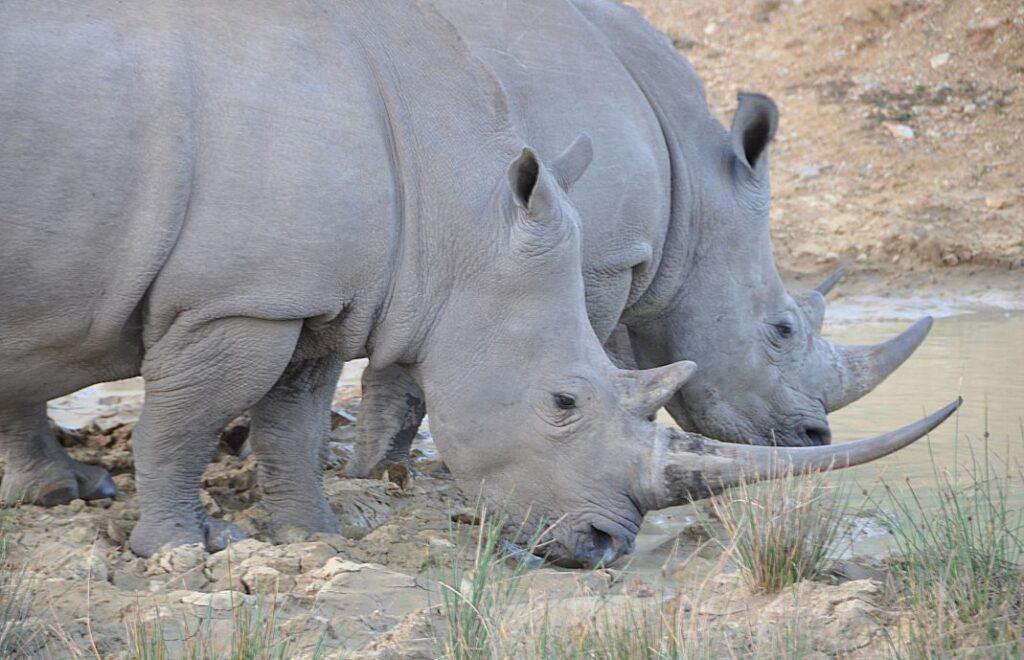
Rhino, tiger, and other big cat consumables
These amazing creatures are on the endangered species list! Rhino horns, and bones from tigers, lions, and other big cats have no place in responsible travel.
Products from these magnificent animals are sold as traditional medicine, tonics, powders, bones, claws, teeth, wine, or luxury health products. It is all untrue. None of them have any medical benefits. They are neither powerful nor culturally important. Instead, they are the result of illegal wildlife trade, incredible suffering for the animals, and an increasing decline in these already threatened animals.
Buying and consuming these products fuels demand, encouraging poaching, and will put you at risk of breaking strict wildlife trade laws.
Avoid any product claiming to contain rhino, tiger, lion, leopard, or other big cat ingredients. Real strength is not found in consuming wildlife. It is found in protecting it.
Pangolin product consumption
These shy, scaly mammals are among the most heavily trafficked animals in the world, largely because of their scales and meat.
Pangolin products are sold as traditional medicine, powders, scales, meat, or luxury dishes. Buying or consuming pangolin products directly supports a trade that has pushed all pangolin species under serious threat. It can also cause major legal problems, as international trade in pangolins is strictly controlled.
Avoid anything claiming to contain pangolin scales, meat, or body parts. Pangolins are not medicine, status symbols, or exotic food – they are wild animals that urgently need protection.
Bushmeat consumption
Bushmeat refers to meat from wild animals, often sold in markets, roadside stalls, or local restaurants. While it may be presented as a traditional or adventurous food experience, it can involve protected, endangered, or illegally hunted species.
The bushmeat trade puts serious pressure on wildlife populations, including primates, antelopes, pangolins, bats, and other wild animals. It may also carry health risks, especially when the source, handling, and preparation of the meat are unknown.
Avoid eating or buying bushmeat when travelling. Choosing responsible food experiences helps protect wildlife, supports safer tourism, and keeps wild animals where they belong – in the wild.
Civet coffee consumption
A civet is a small, lean, mostly nocturnal mammal native to tropical Asia and Africa.
Civet coffee, often known as kopi luwak, is made from coffee beans that have passed through the digestive system of civets. While it is marketed as rare, luxurious, or unusual, the reality behind many products is troubling.
In some places, civets are kept in small cages and force-fed coffee cherries to meet tourist demand. This can cause serious stress, poor welfare, and unnatural living conditions for a wild animal that should be roaming freely at night.
Avoid buying or drinking civet coffee unless you are absolutely certain it is genuinely wild-sourced and ethically verified. The kinder choice is simple: choose regular local coffee and leave civets out of the cup.
CITES
CITES stands for the Convention on International Trade in Endangered Species of Wild Fauna and Flora.
It is an international agreement that controls and regulates trade in wild animals, plants, and products made from them. The goal is to make sure international trade does not threaten the survival of endangered species.
On the CITES website, travelers can find useful information about protected species, trade rules, permits, country contacts, and official wildlife trade data, including records in the CITES Trade Database.
You don’t want to miss:
9 ways you can protect the world’s endangered species
Animal experiences you should NEVER take part in
