I was just a little girl when I stepped into my first museum. At three years old, I don’t remember much of the visit itself. But my parents have always been passionate about museums, and wherever in the world we traveled, a visit to at least one was non-negotiable. Eventually, I grew just as eager as they were. Museums became places of intrigue and wonder – gateways to other cultures, halls of masterpieces, and treasure troves of history.
Today, no journey feels complete without setting aside time for at least one museum visit. Museums are like time machines – they carry you back into the past, offer glimpses into the lives of others, and often hold the key to understanding the very place you’re exploring.
A stroll through a museum is a chance to experience something new, to ask questions, to learn, and to stumble upon discoveries you never even knew you were curious about.
So if you’ve ever wondered why people love museums – and why you should visit one yourself – this article is for you. The truth is, there are countless fascinating museums out there and just as many reasons why people are drawn to them.
Why are museums so important?
Museums are far more than quiet halls filled with ancient artifacts or paintings on the wall. They are guardians of history, culture, and identity – places where past, present, and future converge. Within their exhibitions, we find glimpses into people’s lives, traditions, and ways of being, offering us a deeper understanding of the world around us.
When traveling, museums help us grasp a destination in ways no guidebook ever could. They explain why a city looks the way it does, how its traditions came to life, or which artists shaped its culture. Museums provide context – and that context is what gives your travels greater meaning and depth.
Their importance extends beyond preservation. Museums safeguard not only objects, but also knowledge and stories that might otherwise be lost. They serve as classrooms for both children and adults, reminding us where we come from and pointing toward where we might be headed.
A visit to a museum leaves us wiser, more curious, and more open-minded. Museums matter because they remind us that travel is about more than checking sights off a list. It is also about understanding the world – and discovering our place within it.

Museums are good for you
A museum visit is more than a cultural outing – it’s also a source of well-being. As you wander through hushed galleries, absorbed in art, history, or objects from another era, you enter a realm of calm rarely found in the rush of everyday life. Museums can ease stress, create space for reflection, and even feel therapeutic.
Research shows that art and culture have a positive impact on both mental health and overall quality of life. When we encounter beauty, learn something new, or feel inspired, our bodies release hormones that lift our mood and restore balance. Curiosity and imagination are sparked, leaving us more energized and alive.
In this way, museums become sanctuaries. They are places where inspiration takes root, wonder awakens, and reflection unfolds. Whether you’re captivated by a painting, surprised by an artifact, or moved by a story, you’ll almost always leave a museum lighter in spirit than when you arrived.
Museums make you smarter
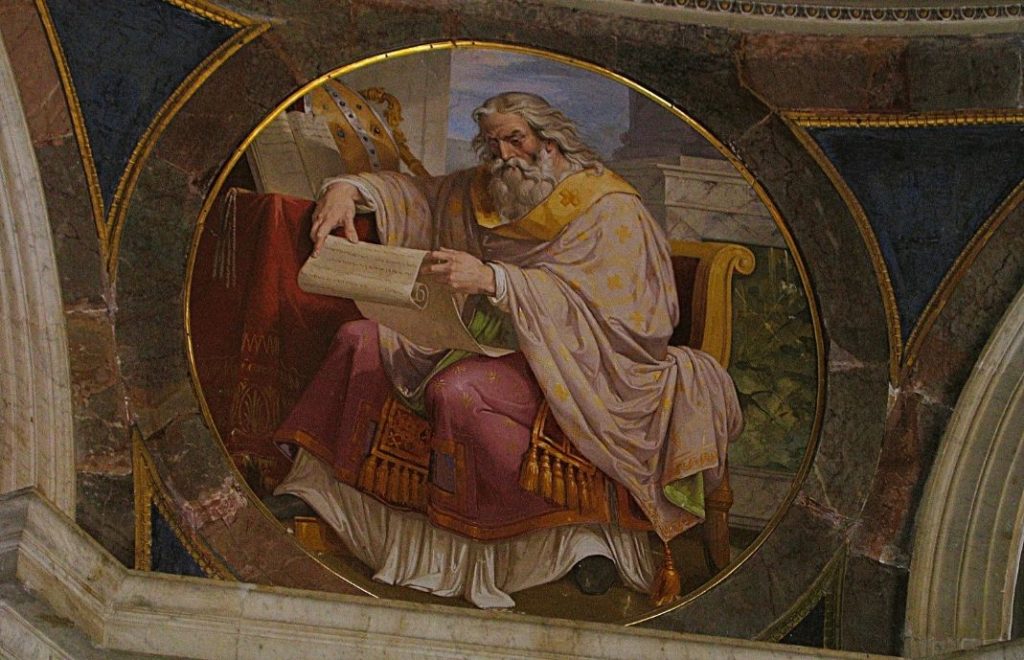
A museum visit is like stepping through a doorway into a world of knowledge. Within its walls, you’ll find stories, artworks, and artifacts that illuminate everything from human evolution to contemporary social challenges. Museums transform learning into an experience – inviting you to see, hear, and engage, rather than simply read about the past.
As we move through a museum, we ask questions, connect the dots, and learn to view the world from broader perspectives. Exposure to new ideas, narratives, and ways of thinking sparks curiosity and reflection, making us more open-minded and thoughtful. In this way, museums enrich not only our knowledge, but also our humanity.
They are not merely places that preserve objects and stories – they are vibrant centers of learning. Museums expand our horizons, sharpen our senses, and remind us that there is always something new waiting to be discovered.

Museums are research centers
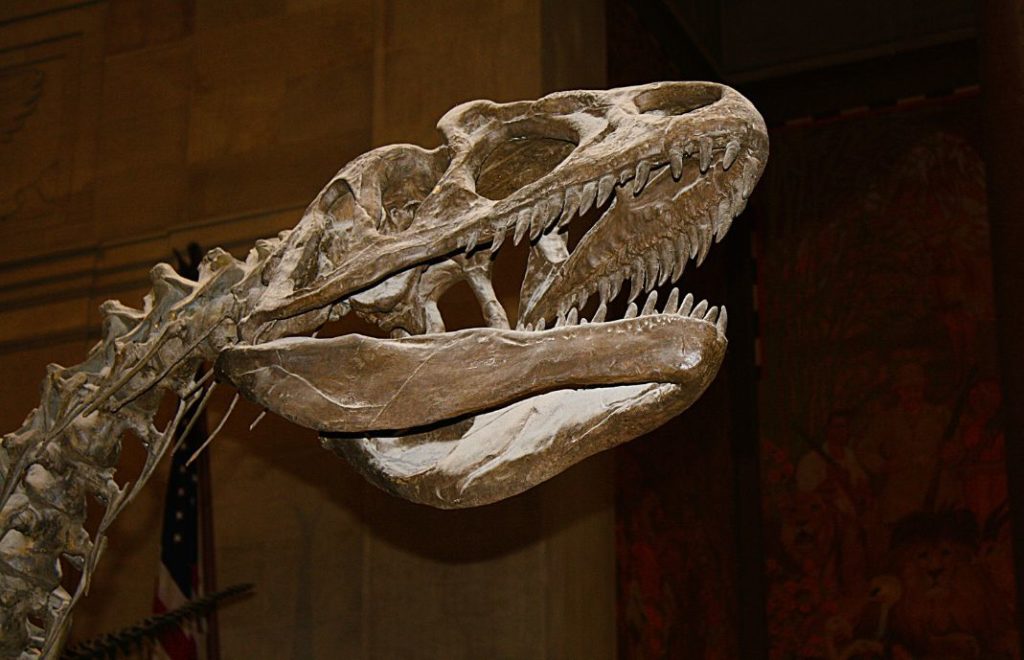
Museums around the world are far more than showcases for the public – they are also vital research hubs. They collect, preserve, and catalog vast treasures of art, artifacts, and specimens from natural history, creating an invaluable knowledge bank for researchers across the globe.
Behind the scenes, museums are alive with discovery. From archaeological digs and climate studies to art historical analysis and even medical breakthroughs, their research spans disciplines. Many work hand in hand with universities, turning their collections into a wellspring of insight for the sciences, humanities, and beyond.
When you wander through an exhibition, you’re only seeing the tip of the iceberg. In the background, tireless work continues – work that not only safeguards the past, but also generates new knowledge for the future. Museums are, in truth, living laboratories for understanding, learning, and innovation.
Museums are community centers
Today, museums are far more than exhibits behind glass – they have evolved into vibrant gathering places for entire communities. They host concerts, lectures, workshops, film screenings, and festivals that bring people together across ages and backgrounds. Many museums also serve as arenas for debate and reflection, shining a light on pressing social issues in engaging ways.
As community hubs, museums nurture connection, learning, and creativity. They open spaces for dialogue between past and present, between cultures and perspectives. In doing so, museums become more than places we simply visit – they transform into places where we participate, share culture and knowledge, and find a sense of belonging.
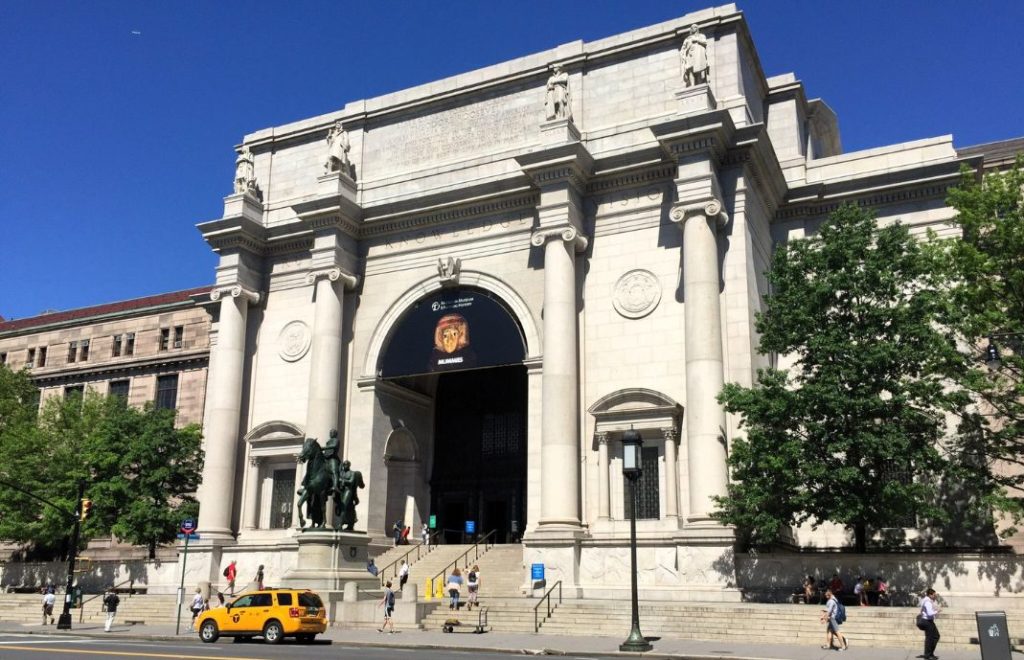
Museums are perfect for family and friends
Museums aren’t just for solo travelers eager to dive into art or history – they’re wonderful places to share with family and friends. A visit offers a collective experience that sparks conversations, reflections, and lasting memories. Children can immerse themselves in exciting stories or hands-on exhibits, while adults draw inspiration from art, architecture, and cultural heritage.
Together, you’ll encounter something new, discuss impressions, and perhaps round off the day in a cozy museum café. The experience becomes both social and meaningful. Museums bring generations and interests under one roof – ensuring everyone leaves with something memorable to take home.

Museums are a source of inspiration
A visit to a museum is like stepping into a world brimming with ideas. Standing before a work of art, a historic artifact, or an innovative installation, imagination stirs and thoughts begin to wander. Museums invite us to see things from new angles, to connect past and present – and to awaken the desire to create something uniquely our own.
For centuries, artists, writers, designers, and inventors have drawn inspiration from museums – and the same is true for each of us. Encountering creativity in physical form – in colors, shapes, and stories – can ignite processes we carry into our everyday lives. Museums remind us that we all possess a creative spark, and that inspiration often lies in the most unexpected places.
Museums are testaments to human endurance
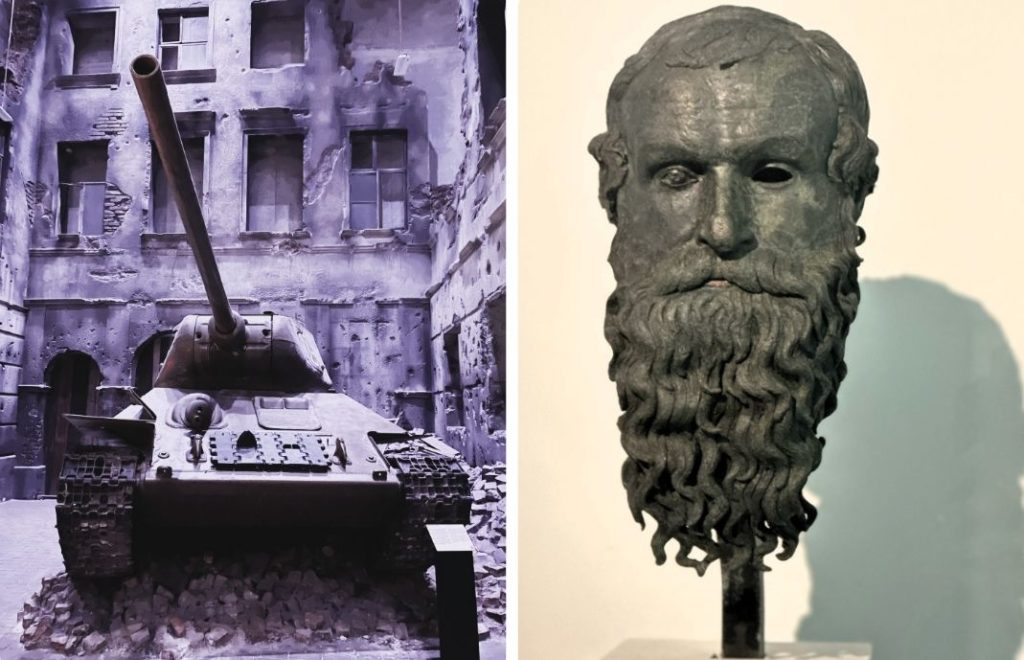
Some museums are more than exhibitions. They are open wounds in history, reminding us of what humanity has endured. Former concentration camps, war museums, and memorial centers reveal the darkest chapters of our past. They speak of suffering, injustice, and cruelty – but also of strength, survival, and courage.
Visiting such places is powerful and often difficult, yet profoundly necessary. They stand as silent witnesses, ensuring that history is never forgotten. These museums are constant reminders that we must learn from the past, while also honoring the resilience of the human spirit – its ability to endure, to hope, and to rebuild a better future from the ruins of what once was.

Museums teach us about lost cultures and civilizations
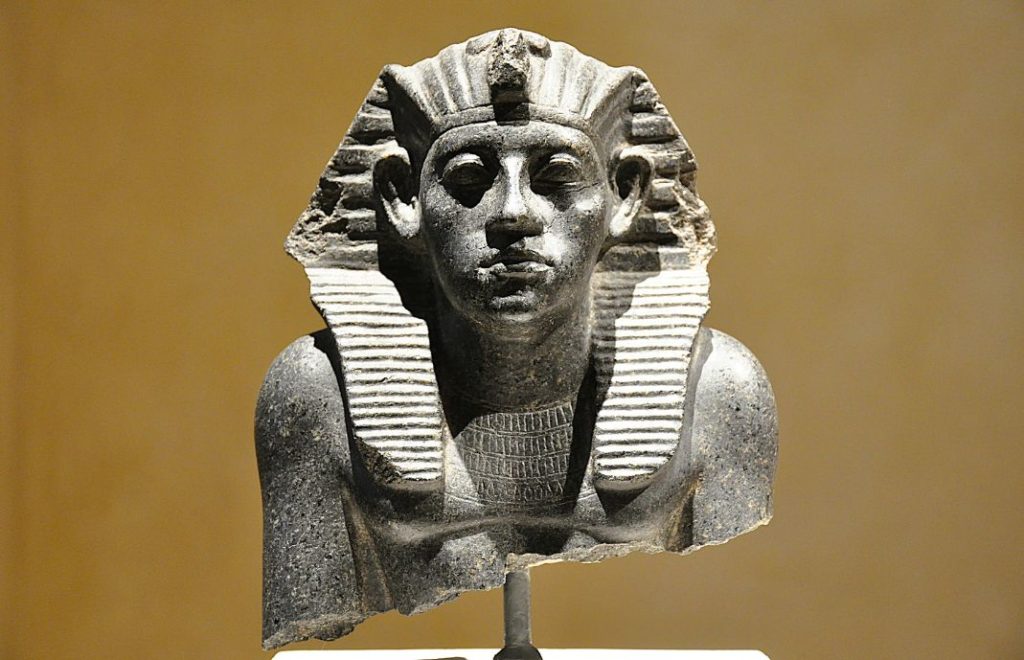
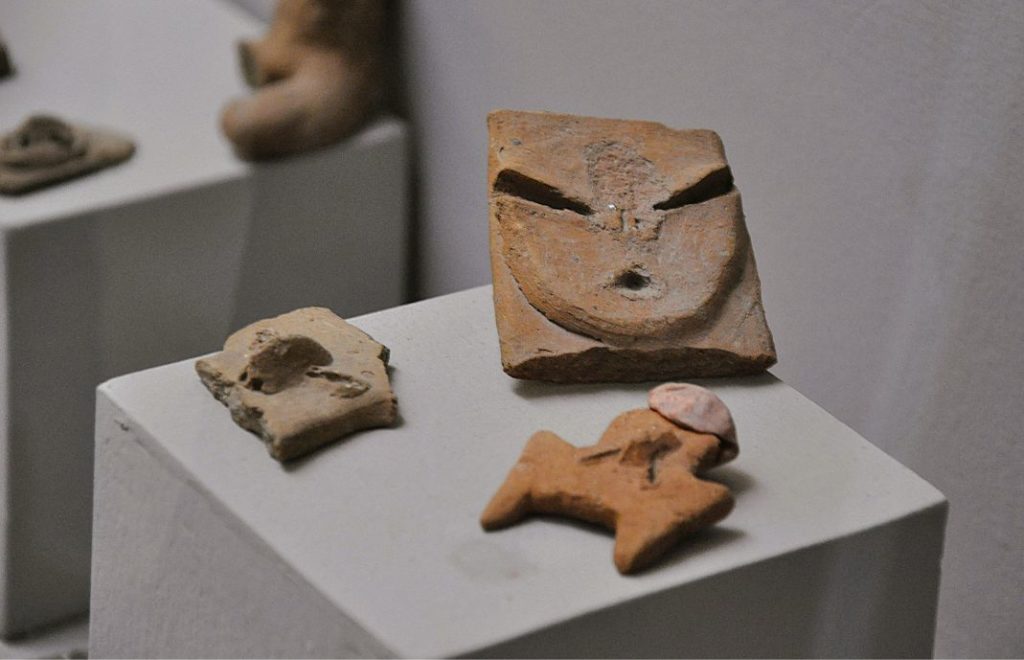
Museums are portals to worlds that no longer exist. Through artifacts, artworks, tools, and archaeological discoveries, they tell the stories of cultures and civilizations that have vanished – yet continue to shape the world we live in today.
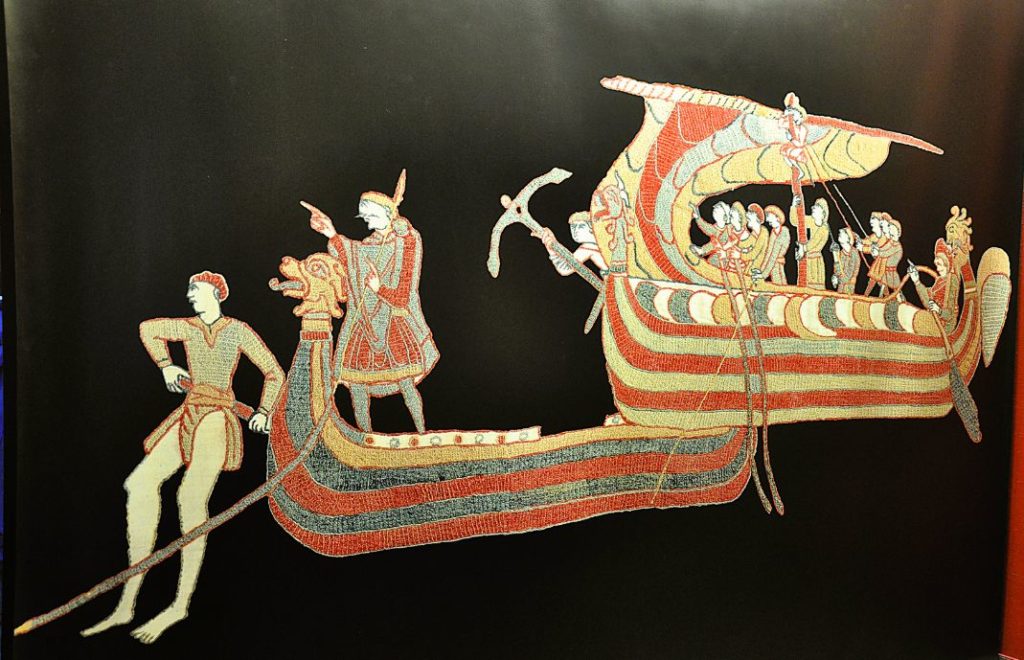
As you wander through their galleries, it can feel like traveling thousands of years back in time: to the age of the pharaohs in Egypt, the grandeur of the Maya Empire, or the Norse traditions of the Viking Age. Museums bring the past vividly to life, offering us insight into how people once lived, thought, and dreamed.
In doing so, museums teach us not only about what has been lost, but also about where we come from – and how human creativity, knowledge, and social evolution are part of a vast, interconnected story.
10 most famous museums in the world
Here are ten of the world’s most renowned museums – destinations every culture and history enthusiast should experience at least once in a lifetime.
- Louvre, Paris, France
The world’s most visited museum, home to iconic masterpieces like the Mona Lisa and Venus de Milo. - Vatican Museums, Rome, Italy/Vatican City
A vast collection of art and religious treasures, including the legendary Sistine Chapel. - British Museum, London, United Kingdom
Houses millions of objects documenting human culture, from antiquity to the modern day. - The Metropolitan Museum of Art, New York, USA
One of the largest art collections in the United States, with works spanning nearly every era and corner of the globe. - Natural History Museum, London, United Kingdom
Famous for its natural history exhibits, dinosaurs, and expansive collections that fascinate both adults and children. - American Museum of Natural History, New York, USA
Another global favorite for those captivated by nature, history, and science. - Grand Egyptian Museum, Giza/Cairo, Egypt
A vast new museum dedicated to ancient Egyptian civilization, holding one of the world’s largest collections from a single culture. - Museo Nacional de Antropología, Mexico City, Mexico
One of Latin America’s most important museums, showcasing pre-Columbian art and artifacts from the Maya, Aztec, and other ancient civilizations. - Prado Museum, Madrid, Spain
A treasure trove of European painting, particularly renowned for Spanish masters such as Velázquez, Goya, and El Greco. - Tokyo National Museum, Tokyo, Japan
Japan’s oldest and largest museum, established in 1873, with an extensive collection of national treasures and art from Japan and across Asia.
What is a museum?
A museum is an institution that collects, preserves, researches, and exhibits objects and artworks of scientific, natural, or cultural significance. It is a space where knowledge, creativity, and history are safeguarded and shared with the public.
The word museum originates from the Latin museion, referring to places dedicated to the Muses – the nine goddesses of Greek mythology who presided over the sciences and the arts. In antiquity, the Library of Alexandria was considered the greatest and most renowned museion, a sanctuary for learning and inspiration.