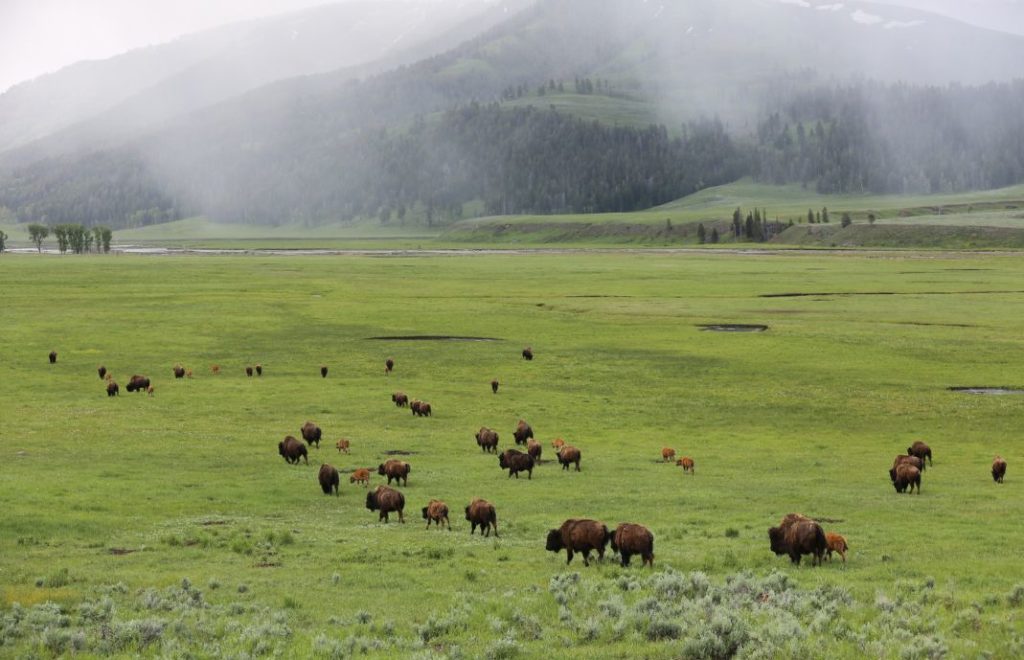
Few travel experiences are as powerful as encountering wildlife in its natural habitat. Watching animals move freely through landscapes shaped by time, climate, and migration offers a deeper connection to the planet. It is also a humbling reminder of our place within it. From vast savannas and dense rainforests to polar seas and remote wetlands, the world’s greatest wildlife destinations showcase nature at its most raw and awe-inspiring.
This article brings together eleven of the best places on Earth to see wildlife, chosen for their biodiversity, ecological importance, and the quality of experiences they offer travelers. These destinations are not just about ticking species off a list; they are about understanding ecosystems, witnessing natural behaviors, and exploring some of the last truly wild places on the planet.
It is time to go wild!
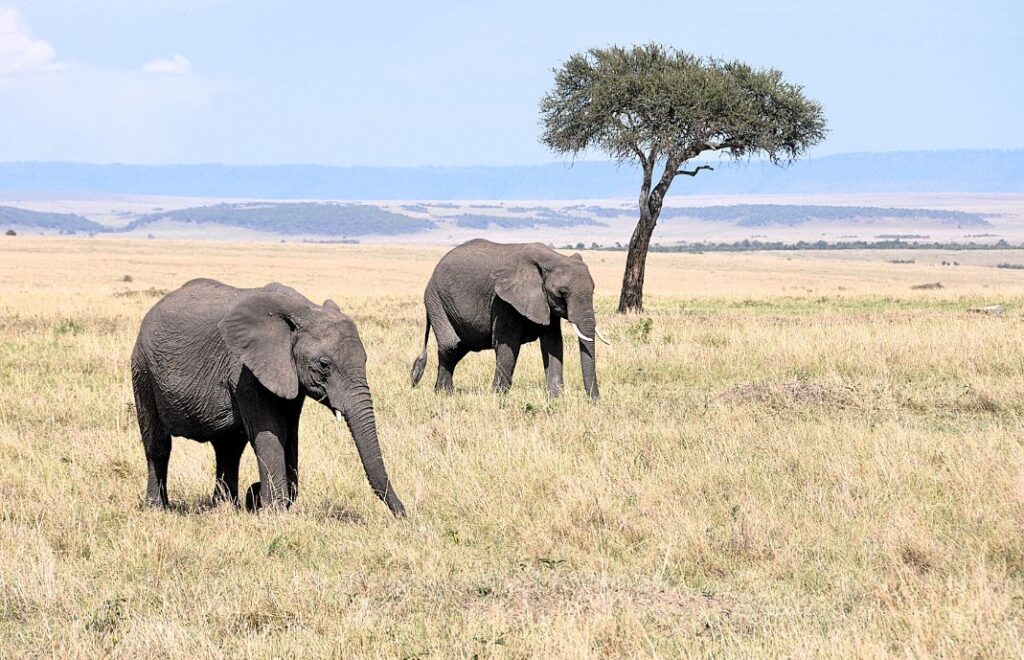
1. Amazon Rainforest, South America
The Amazon Rainforest is the most biodiverse place on Earth, home to an extraordinary concentration of wildlife found nowhere else. Spanning multiple countries across South America, this vast ecosystem shelters millions of species, from jaguars, sloths, and tapirs to countless birds, reptiles, amphibians, and insects. Every layer of the forest – from the riverbanks to the canopy – supports life, making wildlife encounters both diverse and unpredictable.
What makes the Amazon truly exceptional is the sense of scale and immersion. Wildlife experiences here go beyond observation; they are about entering a living system where nature operates on its own terms. Whether navigating remote rivers, listening to howler monkeys echo through the forest, or spotting colorful birds above the treetops, the Amazon offers one of the most intense and humbling wildlife experiences on the planet.
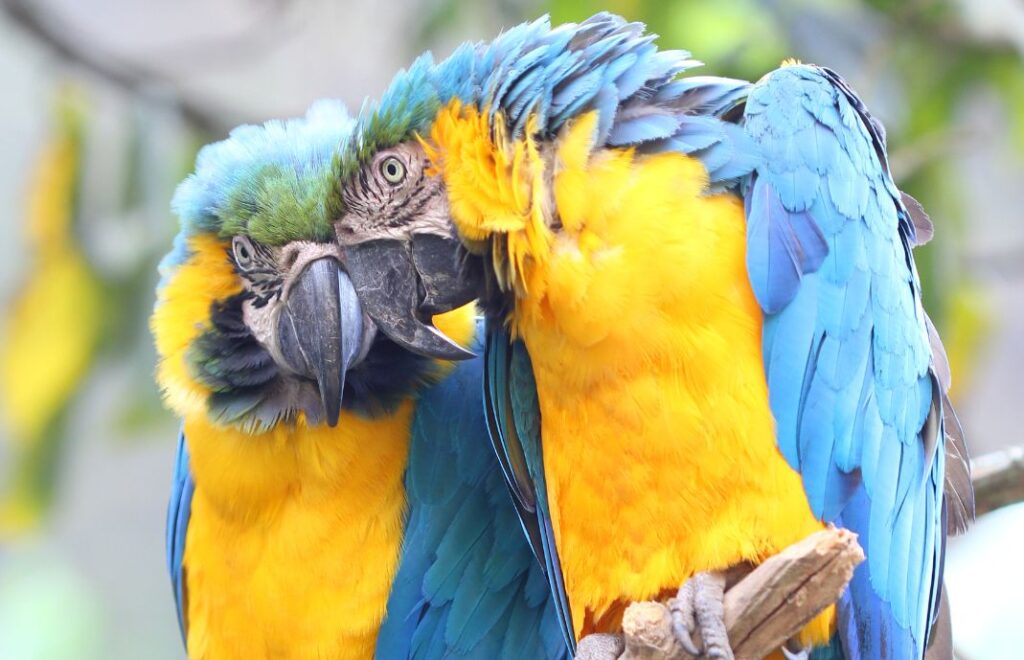
2. Borneo, Malaysia
Borneo is one of the last great strongholds of Southeast Asian wildlife, renowned for its ancient rainforests and rare species. The island is best known as one of the few places on Earth where wild orangutans can still be seen, alongside proboscis monkeys, pygmy elephants, clouded leopards, and an astonishing variety of birdlife and insects.
Wildlife experiences in Borneo are defined by depth rather than spectacle alone. Exploring its dense jungles and river systems reveals a fragile ecosystem shaped by time and threatened by rapid change. Encounters here feel especially meaningful, offering travelers the chance to witness some of the planet’s most endangered species in their natural environment while gaining insight into the importance of conservation.
More inspiration: Why Borneo belongs on your travel list
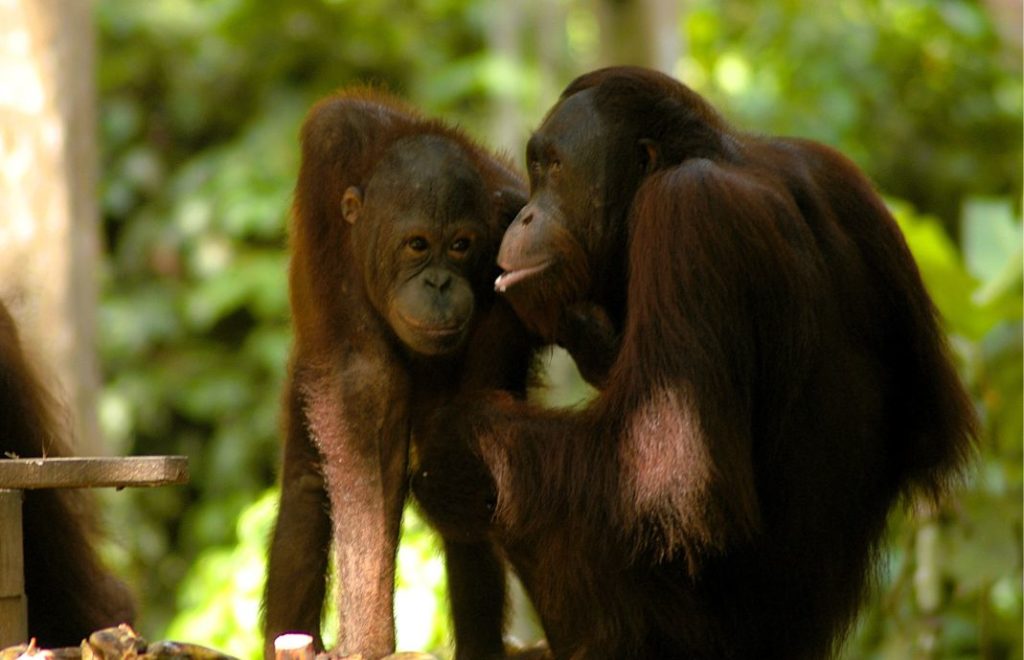
3. Bwindi Impenetrable Forest, Uganda
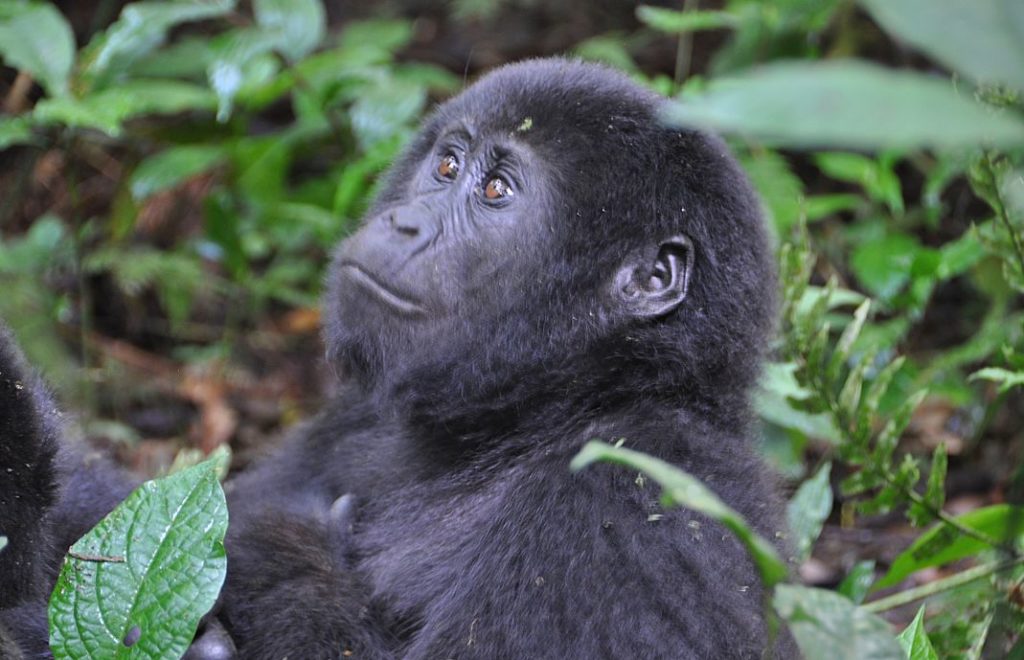
Bwindi Impenetrable Forest is one of the most important wildlife destinations in Africa, best known for protecting nearly half of the world’s remaining mountain gorillas. This ancient rainforest is dense, steep, and remarkably untouched, creating an environment where wildlife encounters feel intimate and deeply immersive rather than staged.
The experience here is defined by patience and presence. Tracking gorillas through thick vegetation is physically demanding, but the reward. Observing these powerful yet gentle animals in their natural habitat is unmatched. Beyond gorillas, Bwindi is also rich in birdlife, primates, and plant species, making it one of the most biologically diverse forests on the continent. It is a powerful reminder of the importance of conservation-driven travel.
More inspiration: Gorilla trekking in Bwindi National Park
4. Galápagos Islands, Ecuador
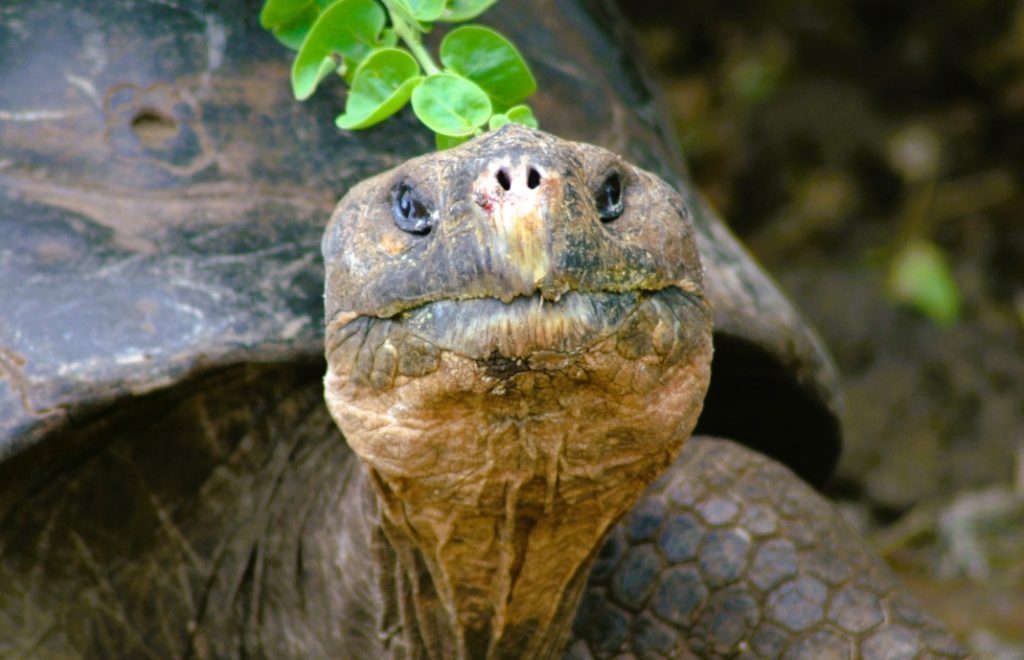
The Galápagos Islands offer one of the most unique wildlife experiences on Earth, where animals evolved in near isolation and show little fear of humans. Located in the Pacific Ocean off the coast of Ecuador, the islands are famous for their role in shaping our understanding of evolution and remain a living laboratory of natural history.
Wildlife encounters in the Galápagos are remarkably close and diverse. From giant tortoises and marine iguanas to sea lions, penguins, and a wide variety of bird species, animals here behave naturally and uninterrupted. The controlled, conservation-focused approach to tourism ensures that visits remain low-impact, making the Galápagos a rare example of how wildlife travel and preservation can coexist successfully.
More inspiration: 10 reasons to visit the Galápagos Islands
5. Komodo Island, Indonesia
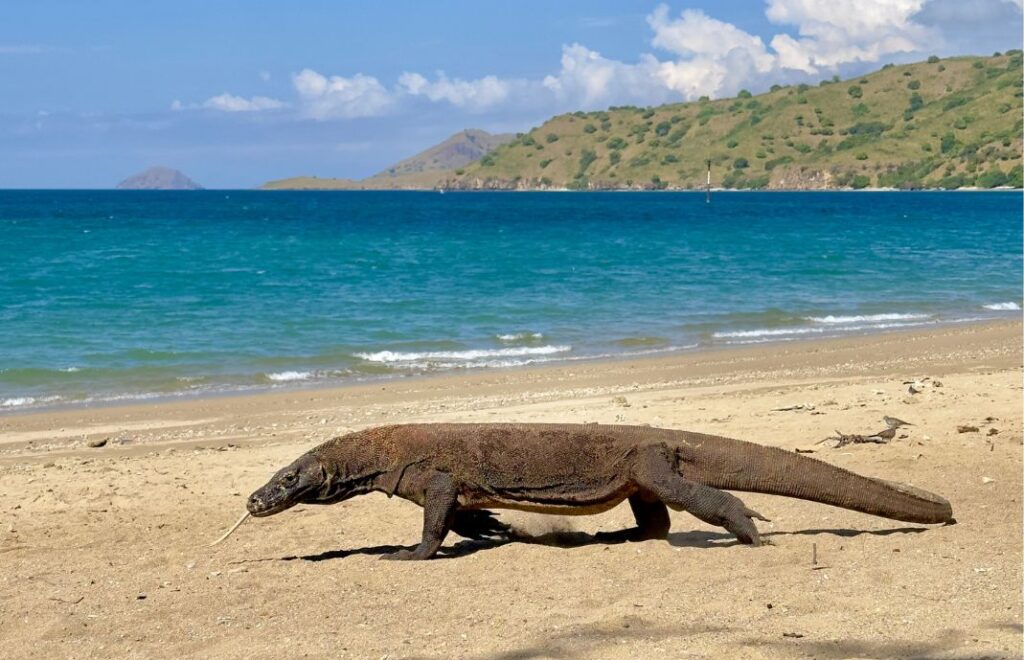
Komodo Island is one of the most dramatic wildlife destinations in the world, best known as the only place where Komodo dragons live in the wild. These prehistoric reptiles dominate the dry, rugged landscapes of the island, creating a wildlife experience that feels raw, intense, and unlike anywhere else on Earth.
Beyond the dragons, the surrounding marine environment is equally impressive. Coral reefs, strong currents, and nutrient-rich waters support manta rays, sharks, turtles, and vibrant fish life. This combination of powerful land predators and rich underwater ecosystems makes Komodo a rare destination where wildlife encounters are both striking and deeply memorable, above and below the surface.
6. Kruger National Park, South Africa
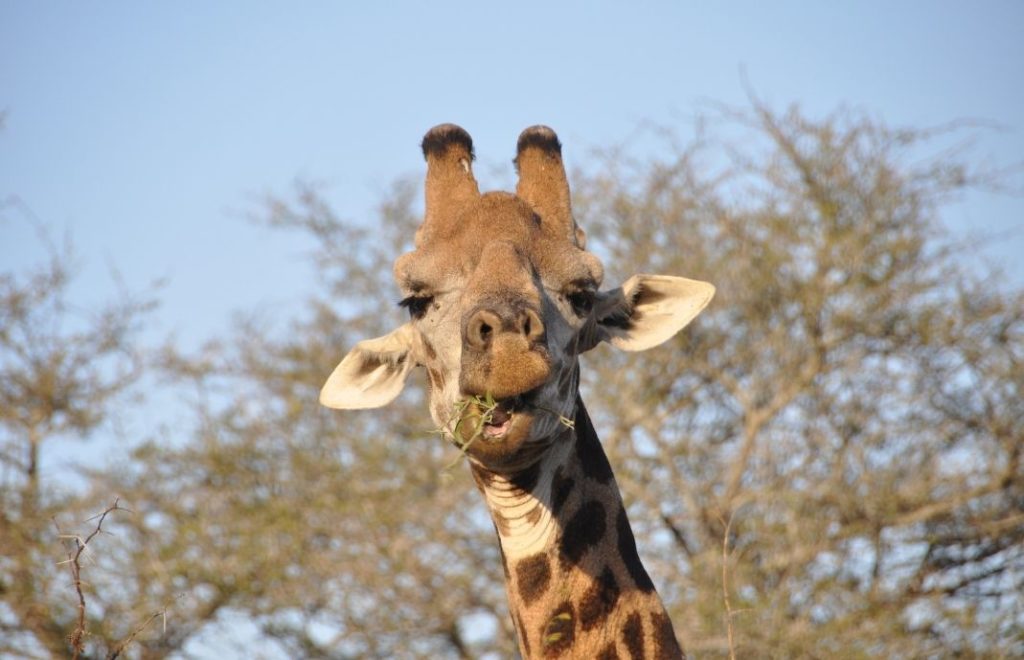
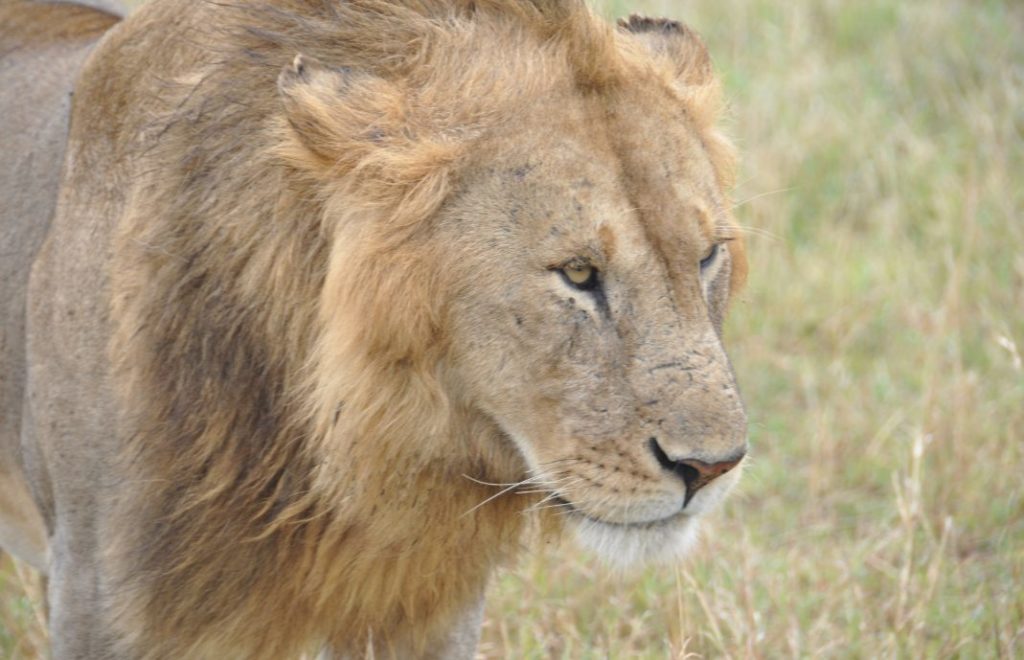
Kruger National Park is one of Africa’s most iconic wildlife destinations and one of the best places in the world to see large mammals in their natural environment. Its vast savannas, rivers, and woodlands support an exceptional concentration of wildlife, including lions, elephants, leopards, rhinos, and buffalo, alongside hundreds of other species.
What sets Kruger apart is its scale and accessibility. Wildlife viewing here is consistently rewarding, whether on guided safaris or self-drive routes, and sightings often feel spontaneous rather than orchestrated. Kruger offers a classic African safari experience, where long days in the bush are shaped by patience, observation, and the rhythms of the wild.
More inspiration: 10 animals to search for in Kruger National Park
7. Masai Mara, Kenya
The Masai Mara is one of the most celebrated wildlife regions in Africa, known for its open savannas, high predator density, and seasonal movement of animals across the plains. It forms part of a larger ecosystem that supports an extraordinary concentration of wildlife, making sightings frequent and often dramatic.
The reserve is especially famous for the Great Migration, when vast herds of wildebeest and zebra move through the landscape in search of fresh grazing, closely followed by predators. Even outside migration season, the Masai Mara delivers exceptional wildlife encounters, offering a powerful sense of scale, movement, and life unfolding in real time across the African plains.
More inspiration
A guide to Masai Mara National Reserve
Safari in Masai Mara National Reserve
8. Nagarhole National Park, India
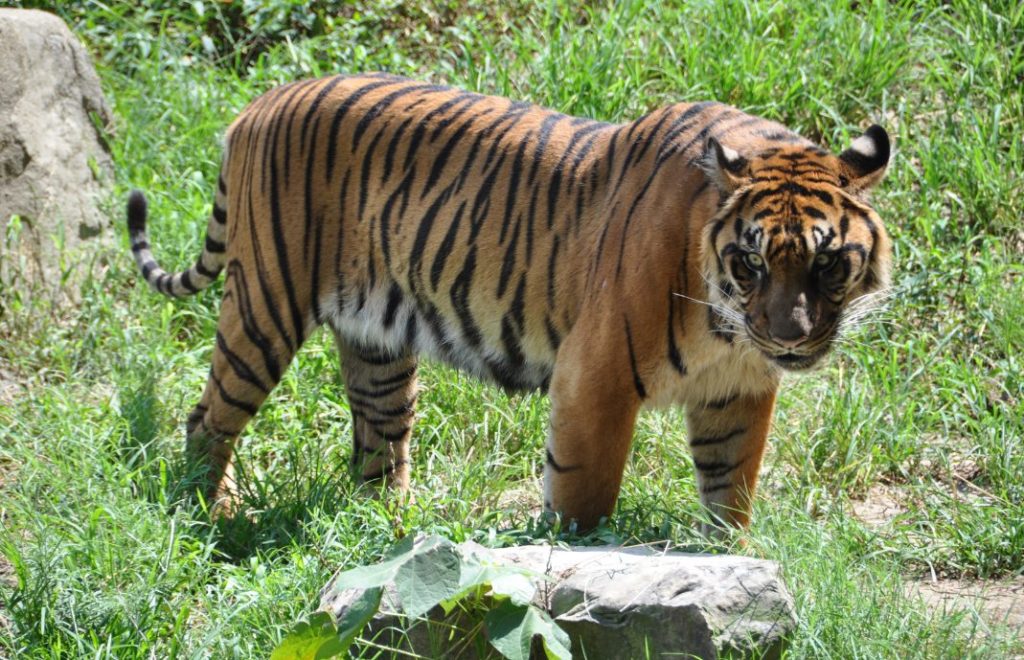
Nagarhole National Park is one of India’s most underrated yet rewarding wildlife destinations. Located in southern India, this forested reserve forms part of a larger protected landscape and is known for its dense teak forests, rivers, and rich biodiversity.
Nagarhole is particularly renowned for sightings of Asian elephants, gaur, deer, and an impressive population of Bengal tigers, although the latter require patience and luck to spot. What sets Nagarhole apart is its atmosphere – lush, quiet, and immersive – offering wildlife experiences that feel intimate and deeply connected to the forest rather than focused on spectacle alone.
9. Serengeti National Park, Tanzania
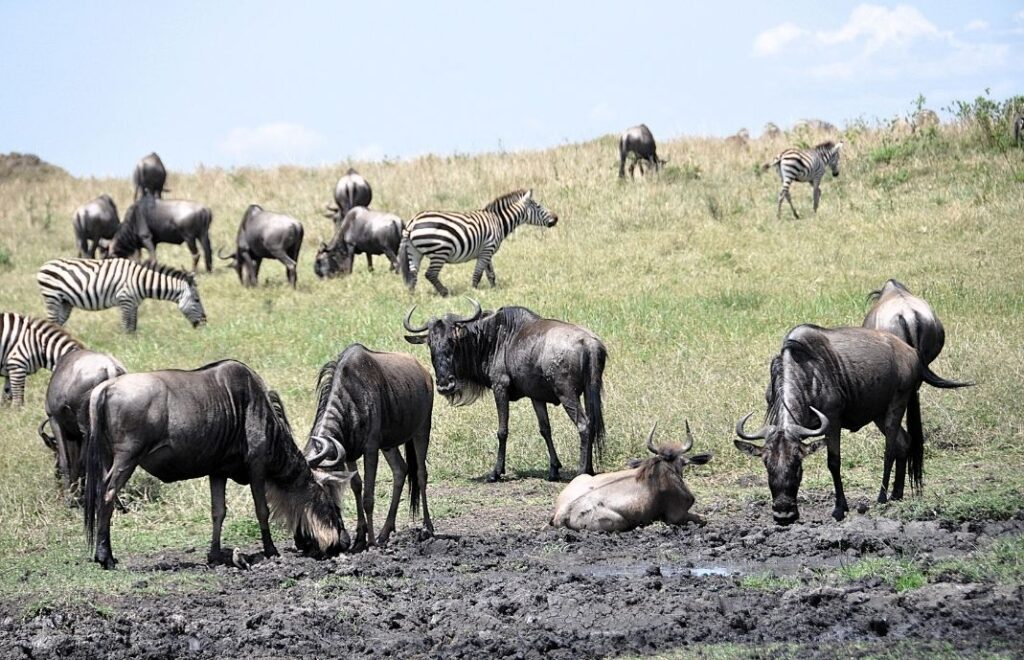
The Serengeti is one of the most iconic wildlife landscapes on Earth, defined by vast open plains that seem to stretch endlessly toward the horizon. This scale allows wildlife to move freely, creating one of the most intact and dynamic ecosystems still functioning today.
The park is best known for its role in the Great Migration, when millions of wildebeest, zebra, and gazelles traverse the plains in search of fresh grazing, followed closely by predators. Beyond the migration, the Serengeti supports an extraordinary diversity of wildlife year-round, making it a place where nature operates on a grand, uninterrupted scale that few destinations can match.
10. Svalbard, Norway
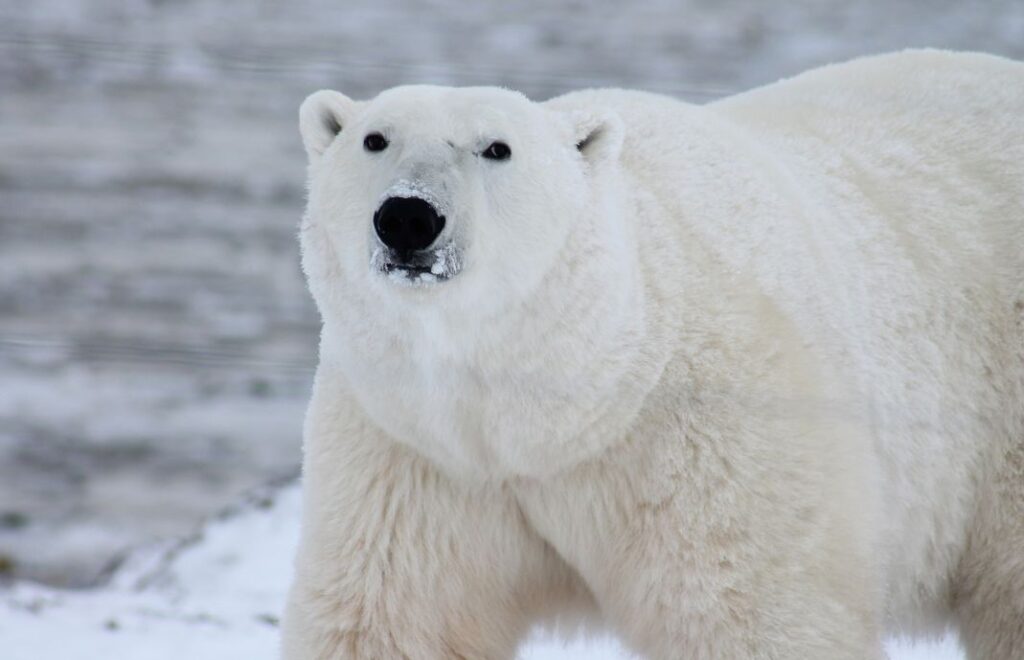
Svalbard offers one of the most remote and striking wildlife experiences on the planet. Located deep in the Arctic, this rugged archipelago is defined by glaciers, icy fjords, and vast polar landscapes where nature dictates every condition. Wildlife here is sparse but extraordinary, adapted to survive in one of Earth’s harshest environments.
The region is best known for polar bears, which roam the sea ice and coastlines, alongside Arctic foxes, walrus, reindeer, and a rich variety of seabirds during the summer months. Wildlife encounters in Svalbard feel raw and elemental, shaped by silence, scale, and extreme light – an experience that highlights both the beauty and fragility of the polar world.
More inspiration to visit Svalbard
11. Yellowstone National Park, USA
Yellowstone is one of the world’s great wildlife strongholds, protecting a vast and largely intact ecosystem where animals still roam freely across wide landscapes. Its valleys, forests, rivers, and geothermal basins support an impressive range of species, including bison, wolves, bears, elk, and countless birds.
What makes Yellowstone exceptional is the visibility of wildlife within a natural, functioning system. Encounters often happen spontaneously – along rivers, across open plains, or during quiet moments at dawn and dusk. Combined with its dramatic geology, Yellowstone offers a rare opportunity to witness wildlife thriving at scale in a modern, protected environment.