
Kenya is the heartbeat of the African wilderness – a land pulsing with the thunder of countless hooves racing across the savannah. It’s a place where lion roars echo through the night and hyenas serenade the moon. Here, kaleidoscopic birds twist through the sky in acrobatic displays, while herds of wildebeest and zebra graze beneath an endless sapphire sky.
Glinting rhinos wallow in the mud, monkeys swing through the treetops, and crocodile snouts break the surface of winding rivers. Kenya’s dramatic and diverse landscapes, straddling both sides of the equator, are home to a treasure trove of national parks – some of the most iconic and wildlife-rich on the planet.
Each park is a world of its own. From golden savannahs and acacia-dotted plains to dense forests, mighty rivers, and towering mountains, no two are alike. And every one offers something unforgettable.
Marvel at the Great Migration in the Maasai Mara, follow the footsteps of lions in Tsavo East, or soak in the views of Mount Kilimanjaro from Amboseli. Whether you’re tracking leopards, watching elephants bathe, or simply listening to the sounds of nature at dusk, Kenya’s national parks offer a front-row seat to the greatest show on earth.
Here, every sunrise holds the promise of discovery. Every moment, a memory in the making.

Masai Mara National Reserve: Africa’s ultimate wildlife stage
Widely regarded as one of the best national parks in the world, Masai Mara more than lives up to the hype – and then some.
It’s one of Kenya’s most visited reserves and the legendary setting of the Great Migration – nature’s most dramatic spectacle. Every year, over two million wildebeest and zebras thunder across the plains, braving the crocodile-infested Mara River in a high-stakes crossing like no other on Earth. Hot on their heels are the predators – lions, leopards, cheetahs, and hyenas – adding suspense and awe to this extraordinary event.
Yet the magic of Masai Mara extends far beyond the migration season. Open year-round, this reserve boasts one of the highest concentrations of wildlife in Africa. From herds of elephants and buffaloes to towering giraffes and the full cast of big cats, Masai Mara is a photographer’s dream and a wildlife lover’s heaven.
The reserve is also a paradise for birdwatchers, home to over 450 species of birds, from lilac-breasted rollers to powerful eagles soaring overhead.
In the Mara River, you’ll spot massive Nile crocodiles basking on the banks and pods of hippos grunting and yawning in the water. The sounds, the sights, the sheer wild energy – it’s all unforgettable.
To complete your experience, don’t miss the cultural heartbeat of the Mara: the Maasai people. Proud, resilient, and deeply connected to the land, the Maasai are easily recognized by their red shúkàs (robes) and intricate beaded jewelry. Visiting a local village offers a meaningful glimpse into a rich heritage shaped by centuries of harmony with nature.
Masai Mara isn’t just a national park – it’s a living, breathing masterpiece.
More inspiration:
A guide to Masai Mara National Reserve
Check-In: Ashnil Mara Camp
Safari in Masai Mara National Reserve
The Great Migration

Amboseli National Park: Where giants roam beneath Kilimanjaro
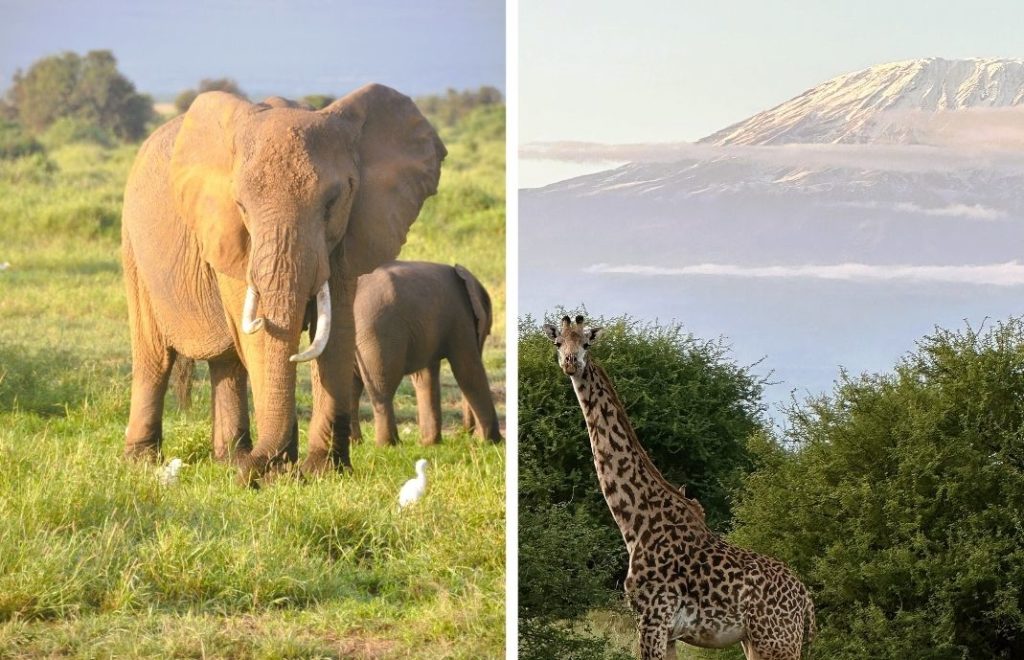
If you’re an elephant lover (like me), then Amboseli National Park is an absolute must. This vast and wild sanctuary is a paradise for elephants, home to some of the largest bull elephants on Earth – known as the legendary “Tuskers.” These towering titans are famous worldwide for their sheer size and enormous, sweeping tusks – symbols of age, wisdom, and awe-inspiring presence.
But Amboseli is far more than just a haven for elephants. It’s also considered one of the world’s finest birdwatching destinations, with over 400 recorded bird species, including 47 types of raptors. From colorful bee-eaters to mighty eagles, the skies are alive with wings and wonder.
At the heart of the park lies Observation Hill, a scenic lookout offering panoramic views across golden plains, swamps, and seasonal lakes. It’s the perfect perch to take in the rhythm of life below – elephants wading through marshes, giraffes stepping gracefully through the grasslands, or a lion stretching in the afternoon heat.
And then there’s the view – Mount Kilimanjaro, Africa’s tallest peak, rising just across the border in Tanzania. On clear days, its snow-capped summit looms like a painting behind the wildlife, creating one of the most iconic and soul-stirring landscapes on the continent.
Amboseli is home to more than 50 species of mammals, so while exploring, keep your eyes open for giraffes, hippos, cheetahs, leopards, lions, and buffalo – each playing their part in this untamed theatre of life.
Amboseli isn’t just a national park – it’s a front-row seat to nature’s raw, regal beauty.
More inspiration:
A guide to Amboseli National Park
Check-In: Amboseli Serena Safari Lodge
Check-in: Amboseli Sopa Lodge
Lake Nakuru National Park: A compact jewel of wildlife and water
Tucked into the heart of Kenya’s Great Rift Valley, Lake Nakuru National Park is a wildlife haven wrapped in stunning natural beauty. Though relatively small at 188 square kilometers, this park is anything but limited – it’s a biodiversity hotspot bursting with life.
Despite its name – “Nakuru” means dusty place in the Maasai language – this park is lush, green, and teeming with vitality. Forests and acacia woodlands surround the park’s centerpiece: a vast, shallow lake that breathes life into the entire ecosystem.
Lake Nakuru is famed for its masses of flamingos, their brilliant pink plumage forming a living halo around the water’s edge. Alongside them, flocks of pelicans and more than 400 other bird species make this a paradise for birdwatchers.
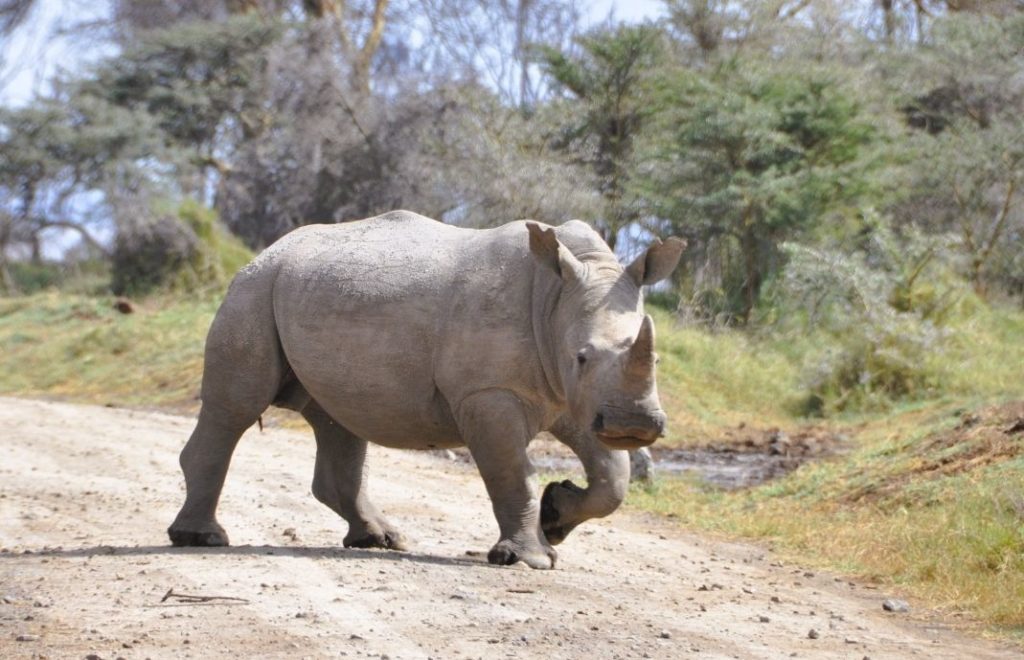
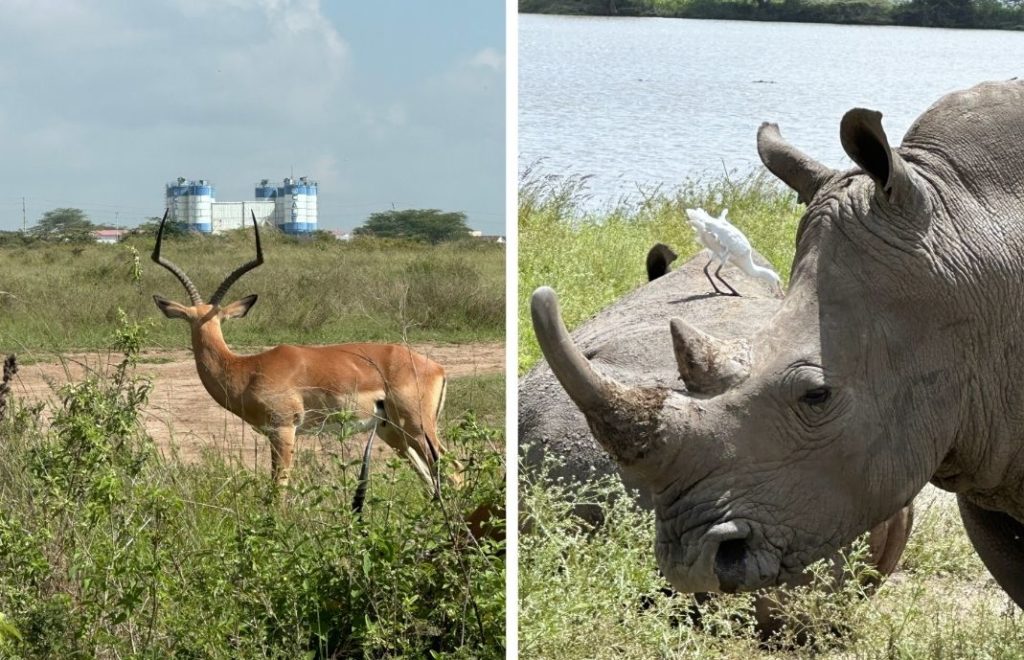
But it’s not just about the birds. Lake Nakuru is one of the best places in Kenya to see both white and black rhinoceroses, and sightings are so frequent, it would be quite unlucky not to encounter these prehistoric giants. The park was one of Kenya’s earliest rhino sanctuaries and remains a stronghold for these magnificent, endangered creatures.
As you explore the park’s diverse habitats, you’ll also come across buffalo, baboons, impalas, waterbuck, warthogs, giraffes, and even the occasional cheetah. Hippos and crocodiles patrol the waters, while lions lounge in the shade of the forest – occasionally seen perched in trees, a rare and remarkable sight.
Be sure to stop at Baboon Cliff, one of the park’s best viewpoints. From here, you can admire the sweeping vistas over the lake – an ideal spot for a picnic with a view.
Just a two-hour drive from Nairobi, Lake Nakuru is perfectly suited for a day trip or a short wildlife getaway from the capital. Compact, accessible, and breathtaking, this park offers the best of Kenya in one unforgettable package.
More inspiration:
A guide to Lake Nakuru National Park
Check-in: Lake Nakuru Sopa Lodge
Tsavo East National Park: A vast wilderness of red dust and roaming giants
Sprawling, untamed, and utterly iconic – Tsavo East National Park is a safari dream carved from Kenya’s wild heart. Running parallel to its sister park, Tsavo West, and separated by the railway line from Mombasa to Nairobi, this park is the largest in Kenya and part of one of the biggest wildlife sanctuaries on Earth.
Established in 1948, Tsavo East is also one of the oldest national parks in the country, and its legacy is as deep as its red earth. Here, you’ll witness nature at its rawest and most magnificent.
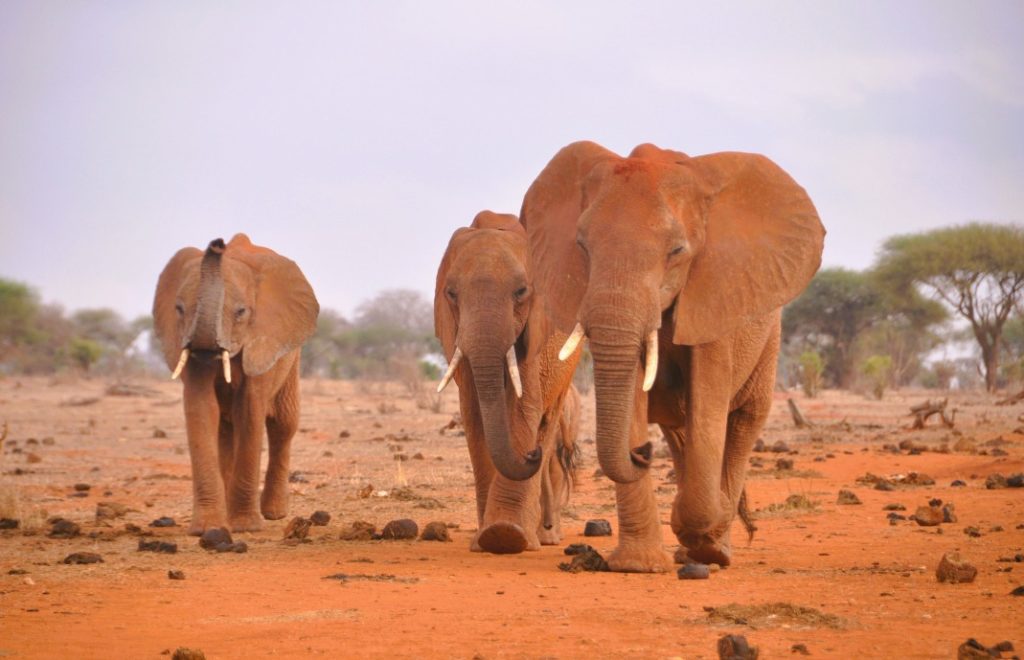
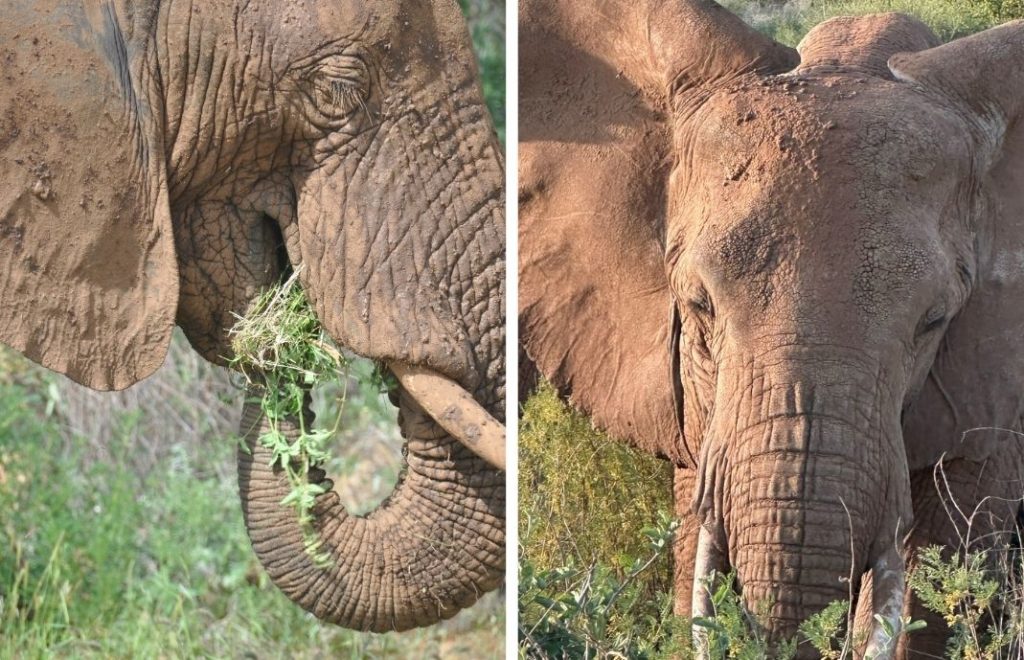
At the top of nearly every visitor’s list? The sight of over 10,000 red-dusted elephants, their wrinkled hides tinted by the iron-rich soil as they roam the plains or splash in the Galana River. Watching these giants bathe, play, and trumpet beneath the African sun is an experience that stays with you forever.
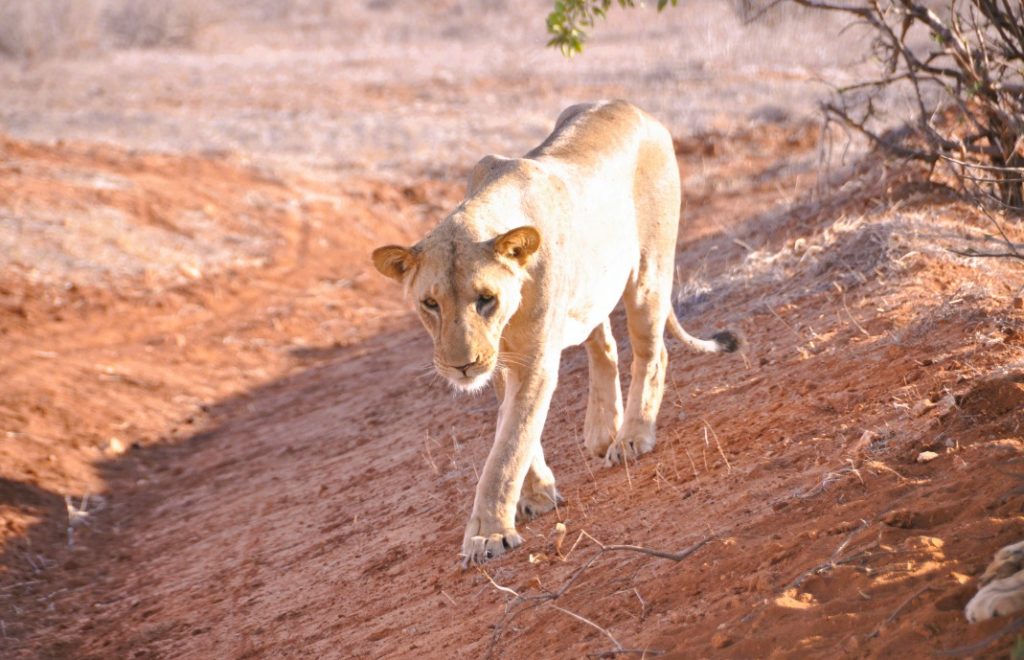
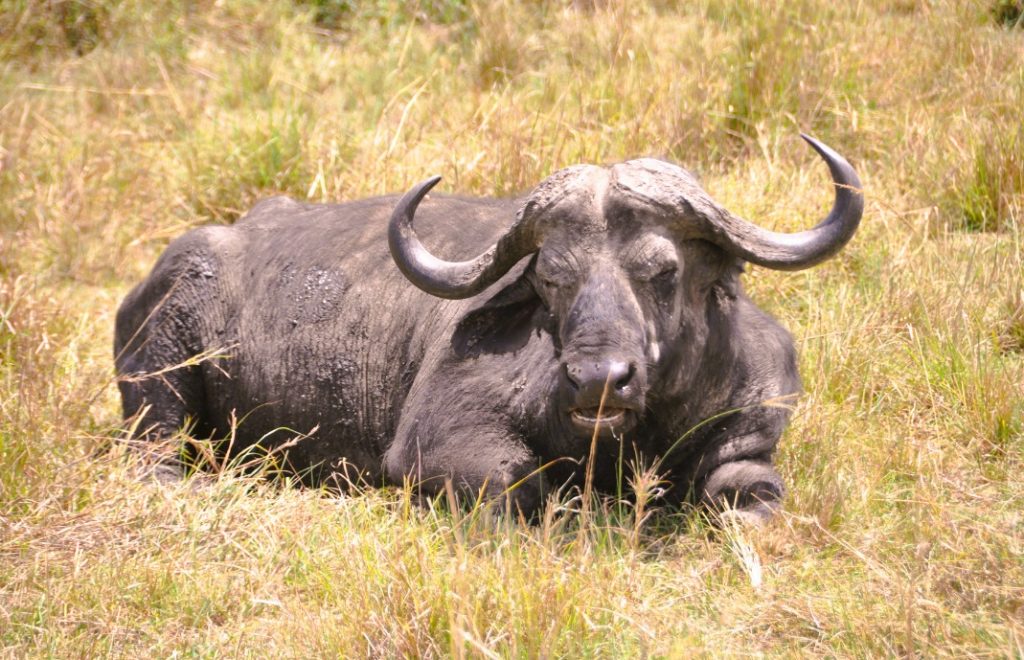
But elephants are only the beginning. Tsavo East is home to buffalo, wildebeest, hippos, lions, leopards, giraffes, zebras, and a wide array of antelope species. It’s a park that pulses with life, where every turn reveals a new chapter in the great wild story of Africa.
Don’t miss the Lugard Falls, a cascade of rapids over sculpted rock, or the majestic Yatta Plateau – the longest lava flow in the world, stretching over 300 kilometers. These natural wonders add to Tsavo East’s dramatic landscape, where sky and earth seem to stretch on forever.
Perhaps one of the most extraordinary things about Tsavo East is its solitude. It’s not uncommon to embark on a three-hour game drive without seeing another vehicle – just you, the wildlife, and the open road. It’s a rare and intimate connection with nature that’s becoming harder to find.
Tsavo East isn’t polished or predictable – it’s vast, wild, and humbling. A true African wilderness in its purest form.
More inspiration:
A guide to Tsavo East National Park
Check-In: Ashnil Aruba Lodge
Tsavo West National Park: Rugged beauty and untamed encounters
Often flying under the radar compared to its better-known neighbors, Tsavo West National Park is one of Kenya’s most underrated safari gems – a place of striking landscapes, rich wildlife, and raw, dramatic beauty.
Though smaller than Tsavo East, this park still spans a vast 9,065 square kilometers, offering more than enough room for thrilling encounters with the Big Five: elephant, lion, rhino, buffalo, and leopard. Its rugged terrain, dotted with volcanic hills, lava flows, and acacia-draped valleys, gives it a completely different character – wild, mysterious, and utterly photogenic.
Climb to Poachers Lookout, a famous viewpoint named for its strategic elevation, and you’ll be rewarded with sweeping vistas of the plains and distant mountains – a breathtaking window into the wild heart of Africa.
On your game drive, keep your camera ready for cheetahs on the prowl, giraffes nibbling treetops, and hippos wallowing lazily in the shallows. Tsavo West may be quieter than some of Kenya’s parks, but that only adds to its allure – it feels remote, untouched, and deeply personal.
One of the park’s true highlights is Mzima Springs, a magical oasis where crystal-clear water bursts from underground lava rocks, feeding pools teeming with hippos, crocodiles, and shimmering shoals of fish. A shaded footpath and an underwater viewing chamber let you observe the aquatic world from a rare, peaceful perspective.
Tsavo West is more than a safari destination – it’s a journey into Kenya’s wilder side, where nature thrives in its most elemental form. Fewer crowds, rugged terrain, and unforgettable wildlife moments make it a spectacular – and soulful – safari experience.
Nairobi National Park: Wild encounters on the edge of a capital
Small in size, but mighty in experience, Nairobi National Park is one of the most unique safari destinations in the world. Just a few kilometers from the heart of Kenya’s bustling capital, this park offers a surreal and unforgettable contrast: wild animals roaming free with city skyscrapers as their backdrop.
Often overlooked by travelers heading deeper into the bush, this 118-square-kilometer gem is a safari surprise hiding in plain sight. Its compact size actually increases your chances of spotting wildlife – and there’s no shortage here.
While elephants are absent due to the park’s limited space, you’ll find nearly every other iconic savannah species. Black and white rhinos, in particular, are a common sight and one of the park’s greatest conservation successes. Keep your eyes peeled for lions, cheetahs, leopards, giraffes, hippos, hyenas, buffalo, ostriches, and over 400 bird species.
For a different kind of experience, you can explore parts of the park on foot, guided by a knowledgeable ranger who shares insights into the wildlife, plants, and ecology of the area.
Don’t miss a visit to the Ivory Burning Site Monument – a powerful symbol of Kenya’s fight against poaching and illegal wildlife trade. This is the historic spot where tonnes of confiscated ivory were burned to signal a bold stand for elephant and rhino conservation. Today, it remains a poignant reminder of the country’s zero-tolerance policy on ivory trade.
Nairobi National Park may be the world’s only wildlife park within a capital city, but it’s far more than a novelty. It’s a testament to Kenya’s deep-rooted dedication to protecting its natural heritage. Where else can you snap a photo of a rhino grazing beneath a skyline?
More inspiration:
A guide to Nairobi National Park
Meet Dumbo!
Safari in Nairobi National Park
Why you must visit the Ivory Burning Site
Samburu National Park: Untamed beauty and Kenya’s best-kept secret
Tucked away in Kenya’s semi-arid north, Samburu National Park is one of the country’s lesser-known treasures – but that’s quickly changing. If you crave a safari that’s wild, uncrowded, and truly off the beaten path, now is the time to put Samburu on your list – before the rest of the world catches on.
Set against a dramatic backdrop of desert hills and golden savannah, Samburu is fed by the life-giving waters of the Ewaso Ng’iro River, which winds its way through the reserve, sustaining a stunning diversity of wildlife. The park shares its boundaries with Shaba and Buffalo Springs, creating an expansive conservation area teeming with life.
While Samburu offers classic safari favorites – elephants, lions, leopards, cheetahs, and buffalo- it also boasts something entirely unique: the “Samburu Special Five.” These are five rare species that can’t be found anywhere else in Kenya:
- The Grevy’s zebra, with its narrow stripes and striking appearance
- The elegant beisa oryx
- The long-necked gerenuk, known for standing upright on its hind legs to feed
- The reticulated Somali giraffe, with its intricate geometric patterns
- And the curious Somali ostrich, recognizable by its blue legs and neck
Adding a touch of legend to the park’s lore is Kamunyak, a lioness who famously adopted six baby oryx -an extraordinary story of compassion in the wild that captured global attention.
Cultural encounters are just as rich here. Meet the Samburu people, close cousins of the Maasai, who settled along the river for their cattle and now share their traditions, dances, and deep connection to the land with visiting travelers.
For something truly unforgettable, embark on a camel safari, ranging from a few hours to multi-day journeys through the bush – a peaceful, rhythmic way to experience the land, just as the Samburu have for generations.
Samburu National Park is more than just a safari destination. It’s a soulful adventure filled with rare wildlife, rich culture, and a wilderness that still feels untouched. Quiet, wild, and mesmerizing – it’s Kenya, unfiltered.
More inspiration:
A guide to Samburu National Reserve
Samburu’s Special Five
Check-in: Samburu Sopa Lodge
Hell’s Gate National Park: Adventure in Kenya’s wild playground
Don’t let the name fool you – Hell’s Gate National Park is anything but infernal. Named for the dramatic geothermal activity in the area, this striking landscape is one of Kenya’s most adventurous and geologically fascinating parks.
Located near Lake Naivasha, Hell’s Gate is known for its towering cliffs, deep gorges, dramatic lava-carved formations, and lush patches of greenery that thrive amidst the rugged terrain. It’s a place where nature and raw energy collide, offering an experience unlike any other in the country.
Unlike most national parks in Kenya, Hell’s Gate is free from large predators, with only buffalo representing the Big Five – making it one of the few places where you can explore on foot or by bike. Pedal or hike past herds of zebra, impala, and giraffe, or watch birds soar along the cliffs, including rare species like the lammergeier vulture.
Thrill-seekers can also take part in rock climbing on the towering basalt columns, including the iconic Fischer’s Tower – a favorite among climbers.
After your active adventures, relax in one of the natural hot springs created by the geothermal activity beneath your feet – nature’s own spa treatment.
Hell’s Gate is easily combined with nearby hikes, such as a trek up Mount Longonot, an extinct volcano offering panoramic views from its crater rim, or a peaceful walking safari on Crescent Island, where giraffes and zebras roam freely.
Whether you’re here to hike, bike, climb, or soak – Hell’s Gate is a playground for nature lovers and adrenaline seekers alike. It’s wild, raw, and refreshingly different – a side of Kenya that invites you to dive right in.
Mount Kenya National Park: A sacred peak and sky-high adventure
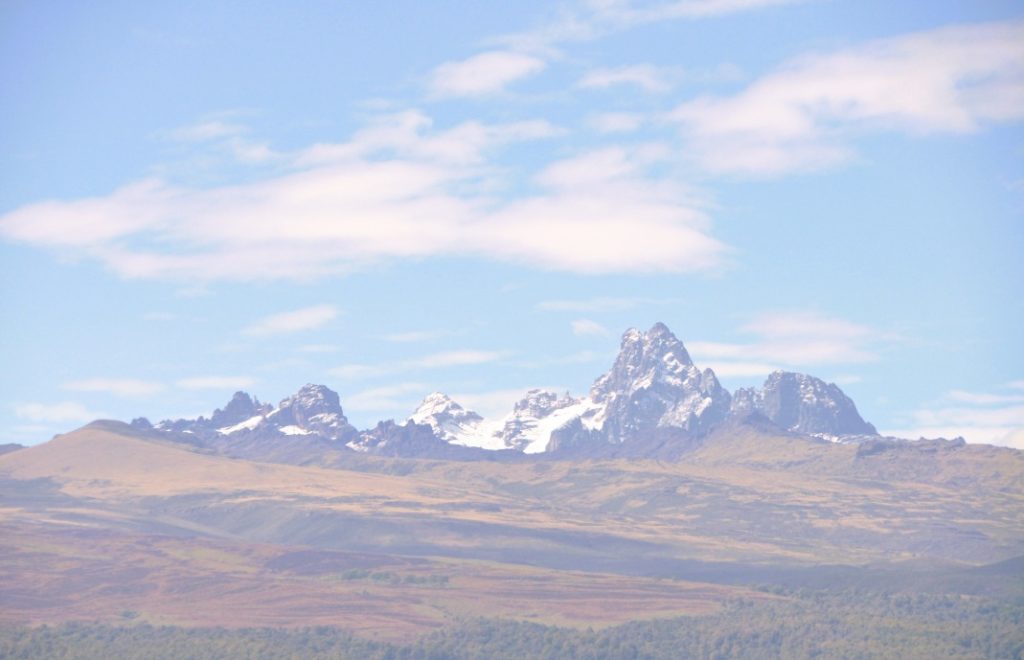
Soaring to 5,199 meters, Mount Kenya is Africa’s second-highest mountain – a towering, jagged masterpiece that inspired the name of the entire country. Revered as the seat of the god Ngai in Kikuyu tradition, this awe-inspiring peak is a UNESCO World Heritage Site, and for good reason.
The landscape is otherworldly – alpine meadows, glaciers, and lunar-like rock formations mingle with giant lobelias and unique high-altitude flora found nowhere else on Earth. In the lower slopes, you’ll also find a surprising variety of wildlife, including buffalo, elephants, bushbuck, and an impressive array of bird species.
For most visitors, Mount Kenya is about the climb – and what a climb it is. The true summit, Batian, is a technical ascent reserved for experienced climbers. But the slightly lower Point Lenana (4,985 meters) is a popular goal for adventurous trekkers, offering a non-technical yet challenging route to the top.
The reward? An absolutely breathtaking panorama, with snow-capped peaks piercing the clouds and a landscape that feels like the rooftop of Africa.
Trekking to Point Lenana typically takes three to five days – five is recommended for proper acclimatization and the best chance of reaching the summit. Several scenic routes are available, including Sirimon, Chogoria, and Naro Moru, each with its own highlights.
The best times to climb Mount Kenya are January to March and June to October, when the weather is clearest and the trails are most accessible.
Whether you’re here for the challenge, the scenery, or the spiritual stillness of the mountain itself, Mount Kenya National Park delivers a high-altitude experience that’s both humbling and unforgettable.
More inspiration to visit Kenya:
10 great reasons to visit Kenya
