
Gdańsk is nothing short of enchanting – a city that effortlessly blends deep history with vibrant modern life. It’s no wonder travelers from around the globe are drawn here, lured by its thousand-year-old heritage, atmospheric streets, lively pubs, and relaxed seaside charm.
Once a powerful Hanseatic port, Gdańsk is now known as Poland’s maritime capital, a city built on the ideals of freedom and solidarity. Its past is storied, its spirit resilient, and its future undeniably bright.
It’s easy to see why Gdańsk is climbing the ranks of Europe’s must-visit cities. Whether you’re a history buff, a foodie, a culture seeker, or a lover of slow strolls along cobbled quays, Gdańsk has something to steal your heart.
Here are 14 unforgettable experiences you simply can’t miss while visiting this dynamic Baltic gem:
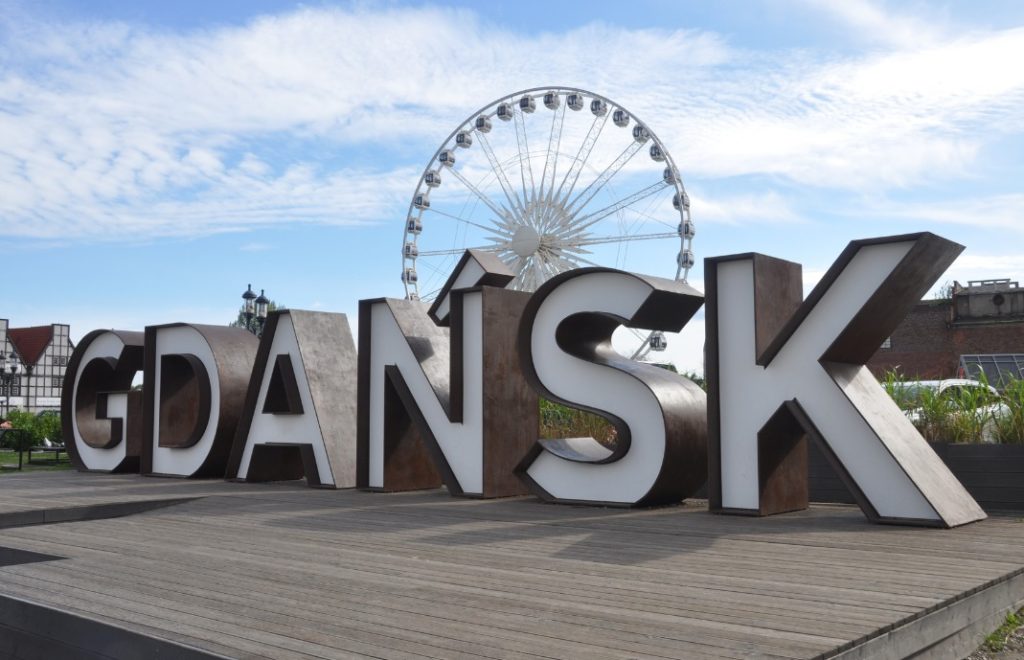
1. The Old Town – A royal stroll through Gdańsk’s historic heart
Gdańsk’s Old Town isn’t your typical European old quarter. While many cities preserve a compact historic core, here it unfolds across Śródmieście – literally “the center” – a district rich in history, architecture, and cultural landmarks.
Begin your journey along the Royal Route, once the ceremonial path taken by monarchs as they paraded through the city in grand processions. Your first stop: the magnificent Złota Brama (Golden Gate), an ornate entrance that sets the tone for the splendor ahead.
From there, the route leads you down ulica Długa (Long Street) and into Długi Targ (Long Market) – perhaps Gdańsk’s most iconic and atmospheric promenade. By day, it dazzles with pastel-colored façades and historical monuments. But come evening, as the city lights flicker on and the scent of grilled pierogi wafts through the air, it transforms into a lively gathering place.
Restaurants buzz, bars brim with laughter, and the echoes of centuries past blend effortlessly with the pulse of modern life.
This is where Gdańsk reveals its soul – elegant, storied, and beautifully alive.
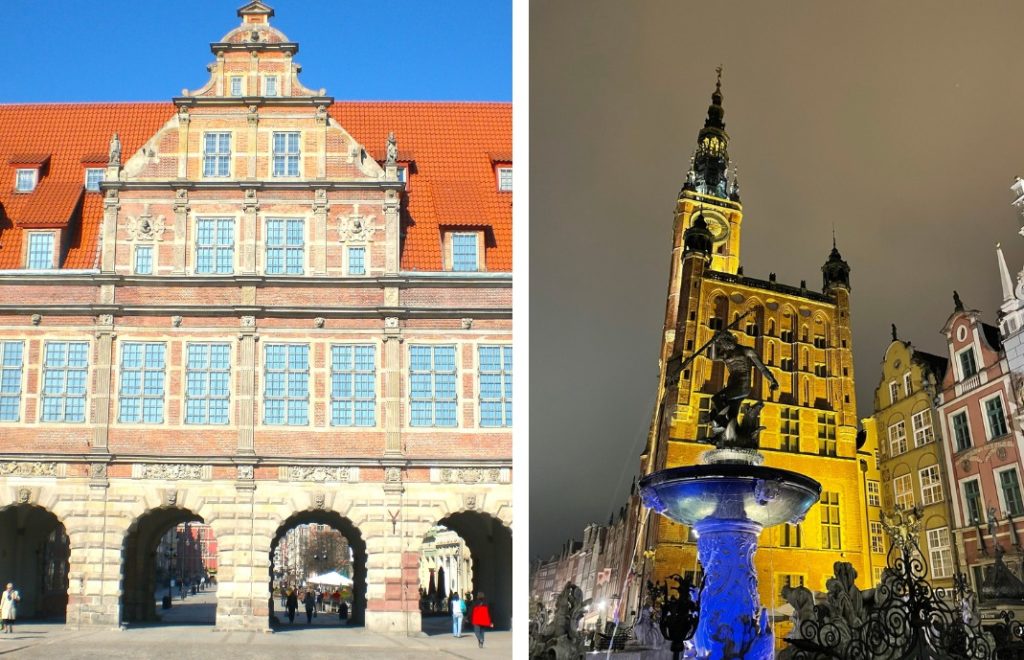
2. The Gdańsk Crane – A medieval marvel of engineering
With its weathered timber façade and fortress-like silhouette, the Gdańsk Crane might not look like your typical modern-day crane – but this 15th-century structure is one of the city’s most iconic landmarks.
Rising above the Motława River, its imposing form tells the story of a time when Gdańsk was one of Europe’s busiest ports.
Built in 1444, the Crane was once the largest port crane in the world. Its inner workings are a testament to medieval ingenuity: a vast system of ropes and wheels powered by human – and occasionally equine – treadmills. Men and horses would walk inside giant wooden wheels, using their own muscle power to lift cargo weighing several tons onto and off ships docked just below.
Today, visitors can climb through its wooden interior, following the surprisingly sophisticated mechanics from floor to floor. As you ascend, you’ll not only gain insight into the city’s seafaring past, but also be rewarded with panoramic views of the historic waterfront from the top.
The Crane isn’t just a relic – it’s a symbol of Gdańsk’s maritime strength, craftsmanship, and the enduring spirit of a city built on trade, labor, and the river that shaped it.
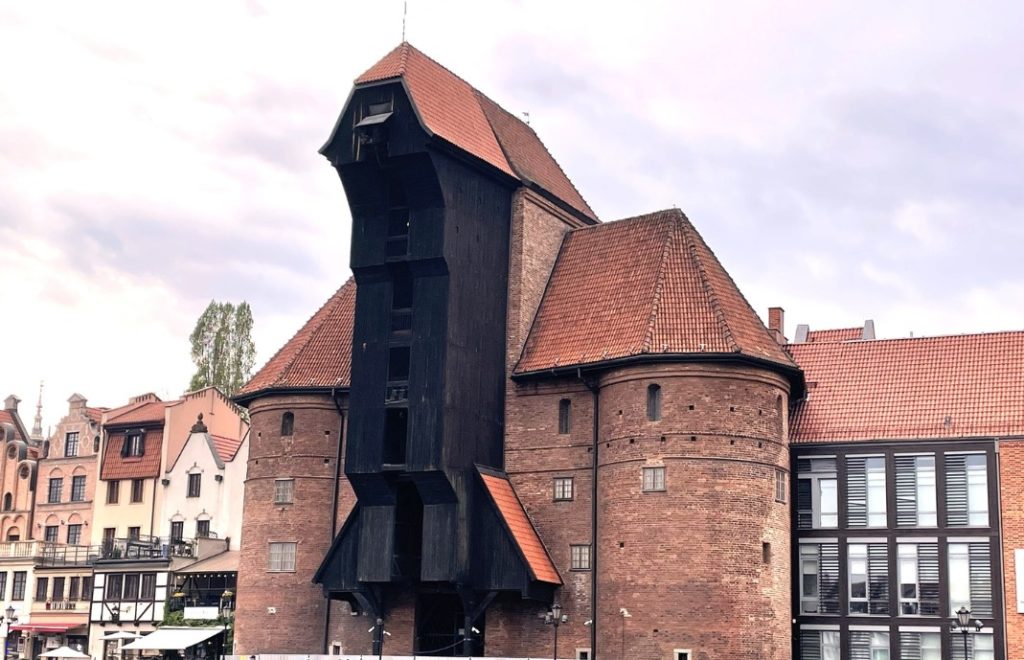
3. Neptune’s Fountain – The Sea God at the heart of Gdańsk
In a city so deeply tied to the sea, it’s only fitting that its most celebrated monument is a tribute to the Roman god of the ocean. Standing proudly in the heart of Gdańsk’s Long Market, Neptune’s Fountain is one of the city’s most iconic and photographed landmarks – a majestic symbol of its maritime legacy.
With his trident raised high, Neptune looks out over the city as if guarding its historic center. The fountain, first erected in 1633, was meant to embody Gdańsk’s wealth, power, and connection to the sea. It quickly became a cherished emblem, not only of the city’s identity, but also of its enduring mythos.
And like all beloved monuments, Neptune comes with a legend. As the story goes, when the statue was unveiled, crowds gathered in celebration, tossing gold ducats into the fountain in honor of the sea god. Pleased, but ever vain, Neptune struck the water with his trident, magically dissolving the gold into shimmering flakes. Those flakes, it is said, still swirl in Goldwasser – Gdańsk’s famed herbal liqueur flecked with real gold.
Locals whisper that once every hundred years, when the clock strikes midnight, Neptune returns to stir the fountain again, releasing golden flakes that briefly sparkle in the moonlight.
Whether you come for the history, the myth, or the perfect photo, Neptune’s Fountain is a must-see – a timeless meeting point between sea, story, and city soul.
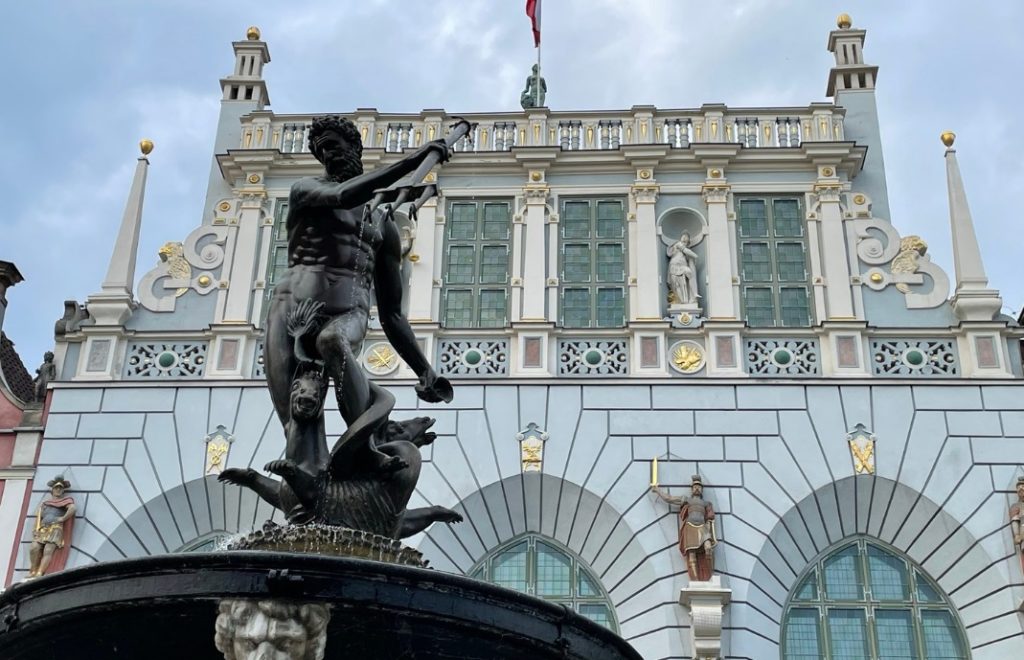
4. Museum of the Second World War – A monument to memory and mankind
Standing just a few kilometers from Westerplatte, where the first shots of WWII were fired on September 1st, 1939, the Museum of the Second World War in Gdańsk is a place of profound reflection, global perspective, and powerful storytelling. Opened in 2017, this world-class institution has quickly become one of the most important historical museums in Europe – and rightly so.
Described as monumental, thought-provoking, and deeply moving, the museum plunges visitors into the darkest chapter of modern history, with over 2,000 artifacts and 250 multimedia stations that chronicle the causes, horrors, and aftermath of a war that changed the world forever.
The centerpiece of the museum – the main exhibition, located 14 meters underground – spans an astonishing 5,000 square meters, making it one of the largest of its kind.
It’s organized into three core sections:
- The Road to the War – tracing the rise of totalitarianism and the geopolitical tensions that led to global conflict.
- The Horror of War – a visceral portrayal of battlefronts, occupation, resistance, and genocide.
- The War’s Long Shadow – examining the aftermath, the Cold War, and how WWII continues to shape the modern world.
Across 18 thematic zones, the exhibition brings to life stories of soldiers, civilians, resistance fighters, and victims – from the brutal Eastern Front to the devastation of Hiroshima and Nagasaki. The museum doesn’t just recount dates and battles; it evokes emotion, explores ethical questions, and gives voice to those who endured the unimaginable.
A separate section is dedicated to daily civilian life under occupation, offering a deeply personal perspective on wartime survival. For younger visitors, the Time Travel exhibition provides a carefully curated experience tailored to children, making history accessible without diminishing its weight.
Visiting this museum is not just educational – it’s transformative. A reminder of humanity’s resilience, and a solemn call to never forget.
More inspiration: A guide to the Museum of the Second World War

5. European Solidarity Center – The heartbeat of a revolution
In Gdańsk, the word solidarity carries a weight far greater than its dictionary definition. It’s the soul of a movement that changed the course of history. It was here, at the Lenin Shipyard, that the Solidarity trade union was born in 1980, igniting a peaceful revolution that would ultimately help dismantle communist regimes across Central and Eastern Europe.
At the helm of this movement was Lech Wałęsa, an electrician turned activist whose courage captured the world’s attention. He would go on to win the Nobel Peace Prize in 1983 and later serve as Poland’s president from 1990 to 1995. But the story of Solidarity is deeper, more complex, and far more human than many realize.
To truly understand it, you must visit the European Solidarity Center – an extraordinary museum and cultural institution housed in a striking building that resembles the rusted hull of a ship, a powerful nod to its shipyard roots. Inside, the center spans over 3,000 square meters of immersive exhibitions that chronicle the fight for freedom, democracy, and human rights in Poland.
The displays feature a rich tapestry of original objects, photographs, films, handwritten letters, maps, underground newspapers, and deeply personal relics of resistance. Among them:
- The jacket worn by 20-year-old shipyard worker Ludwik Piernicki, who was tragically shot during protests.
- The famous placard of the 21 demands, a cornerstone of Solidarity’s founding principles.
- The desk of Jacek Kuroń, a key intellectual behind Poland’s democratic opposition.
But the Center is more than a museum – it’s a living institution, a hub for dialogue, education, and civic engagement. It honors not just the past, but the ongoing global struggle for human dignity and freedom.
Walking through its halls, you’ll feel the weight of history – but also the enduring hope that collective action, rooted in solidarity, can change the world.
“Many generations to come will remember the extraordinary thing that happened in Poland, there appeared a social force able to control those in power”.
Culture Magazine, Paris 1980
More inspiration: A quick guide to the European Solidarity Center
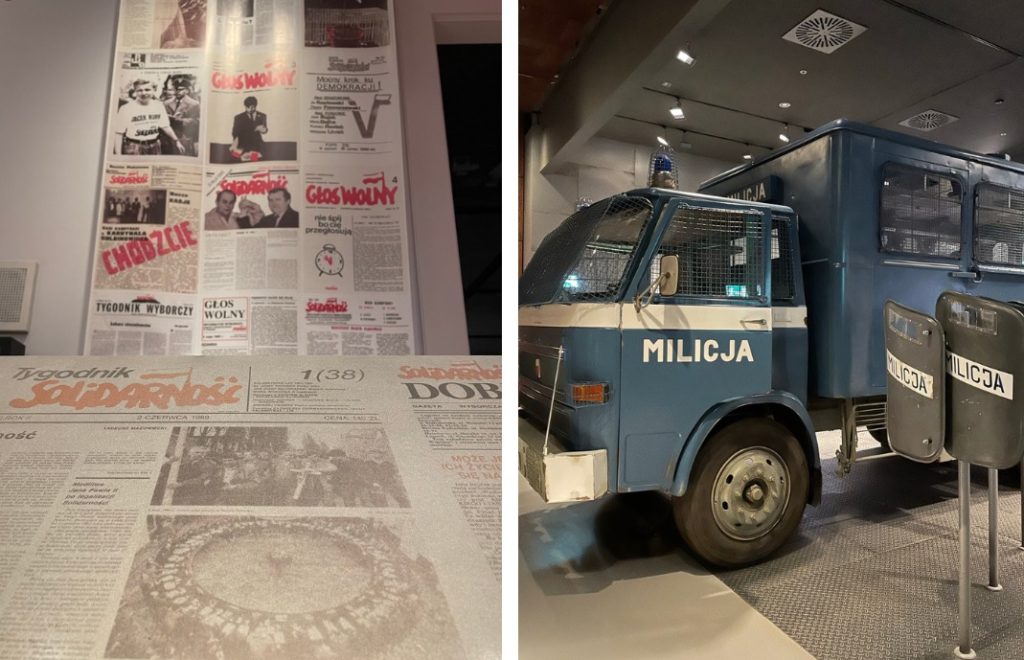
6. Monument to the Fallen Shipyard Workers of 1970 – A towering tribute to courage
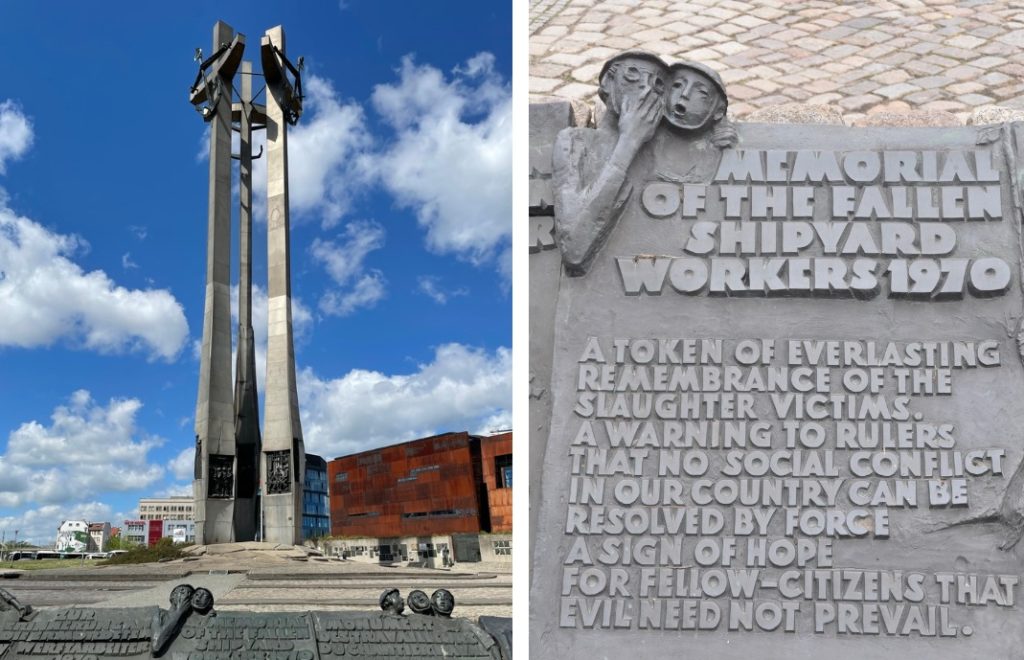
Just outside the iconic Gate #2 of the Gdańsk Shipyard, beside the European Solidarity Center, stands one of Poland’s most powerful symbols of sacrifice and resistance: the Monument to the Fallen Shipyard Workers of 1970. Unveiled in 1980, this towering structure commemorates the tragic events of December 1970, when striking workers were met with brutal force.
As thousands of shipyard employees took to the streets to protest rising prices, poor working conditions, and the oppressive communist regime, the government responded with military intervention. The resulting clash left 44 people dead, many more injured, and ultimately led to the fall of then-party leader Władysław Gomułka. It was a pivotal moment that planted the seeds for the Solidarity movement a decade later.
The monument itself soars 42 meters into the sky – a trio of steel crosses crowned with anchors, symbolizing the workers’ profession and their martyrdom. It was built on the very spot where three protesters lost their lives in 1970. At its base, dramatic reliefs depict workers in struggle, comrades supporting one another in pain and defiance.
Etched into the monument is a haunting quote from Nobel laureate Czesław Miłosz:
“You who have harmed simple man, mocking him with your laughter, you kill him, someone else will be born, and your deeds and words will be written down.”
This site, known as Solidarity Square, is steeped in meaning. Here you’ll find plaques and memorials honoring victims of totalitarianism, and a single red brick embedded in the wall – an understated but deeply symbolic gesture, representing the blood spilled during the struggle.
Just a few meters away stands a replica of the original 21 postulates – the list of demands made by the workers during the 1980 strike. Posted on the gates during those historic days, it remains a poignant reminder of the power of collective courage.
To stand here is to feel the weight of history, the cost of freedom, and the unbreakable spirit of a people who refused to be silenced.
7. St. Mary’s Basilica – A towering testament in brick and light
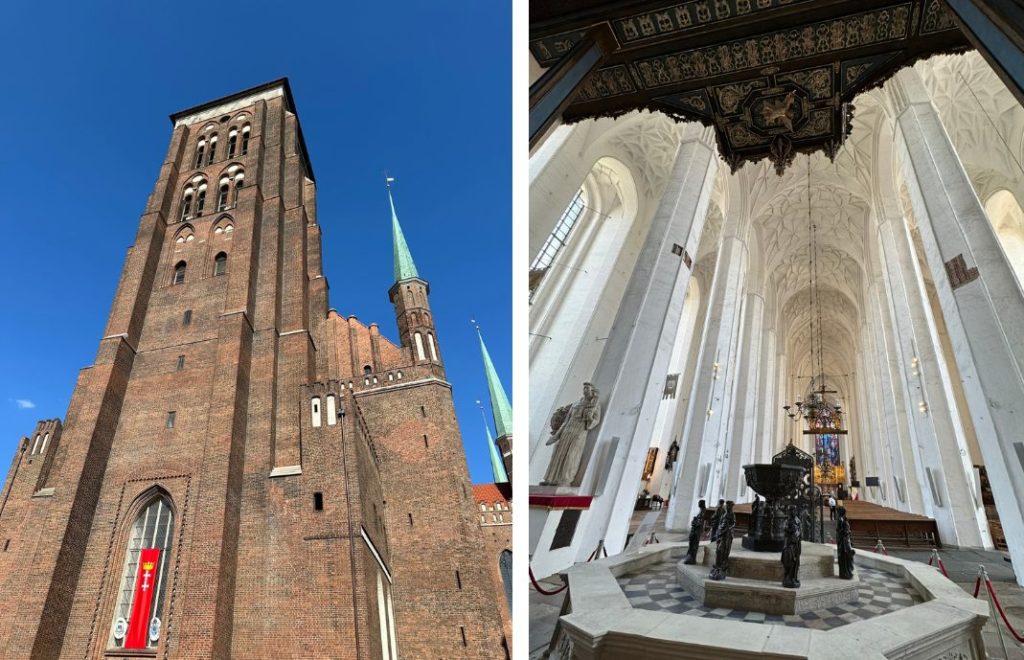
Dominating the skyline of Gdańsk’s Old Town, St. Mary’s Basilica is impossible to miss – and once you step inside, it’s just as unforgettable. Widely believed to be the largest brick church in the world, this Gothic giant is both a symbol of medieval grandeur and a sanctuary steeped in history, faith, and resilience.
Despite its fortress-like, austere exterior, the basilica’s interior is unexpectedly bright and airy, illuminated by 37 stained-glass windows that pour light into its immense nave. Within its vast halls lie over 300 tombstones, 31 intricately decorated chapels, and countless works of sacred art. One chapel is dedicated to seafarers, paying homage to Gdańsk’s deep maritime roots.
St. Mary’s isn’t just a place of worship – it has also been a refuge in times of unrest. Between 1981 and 1983, members of the Solidarity movement found sanctuary here during their struggle against the communist regime. Today, solemn plaques commemorate those who lost their lives during the protests of 1980–1981.
Among the church’s most fascinating treasures is the astronomical clock, built in 1464. Towering at 12 meters high, this medieval marvel not only tells time. It tracks the day, month, phases of the moon, and positions of the sun and Earth. At the top, a procession of the Apostles carved in wood appears each hour, a mesmerizing ritual that draws visitors daily. According to legend, the clockmaker’s eyes were gouged out after its completion to ensure he would never replicate its beauty elsewhere – a chilling tale that only adds to the mystique.
For panoramic views of Gdańsk, climb the 405 steps to the top of the 78-meter bell tower. The climb is steep, but the reward is breathtaking: sweeping views of the Old Town’s rooftops, the Motława River, and beyond.
Whether you come for its size, its history, or the stories hidden in its shadows, St. Mary’s Basilica is a cornerstone of Gdańsk – solemn, majestic, and utterly awe-inspiring.
8. Museum of Amber – Discover the soul of the Baltic in golden hues
In the 15th century, Gdańsk entered its golden age – quite literally. As international maritime trade flourished, amber became one of the city’s most prized exports, earning it a glowing reputation that endures to this day. Known as the world capital of amber, Gdańsk continues to shine with the warm glow of this fossilized resin, often called “Baltic gold.”
Wander through the city and you’ll quickly notice: amber is everywhere. From elegant galleries to charming street stalls, shops overflow with gleaming jewelry, intricate carvings, and stunning decorative pieces, each one capturing millions of years in a single stone.
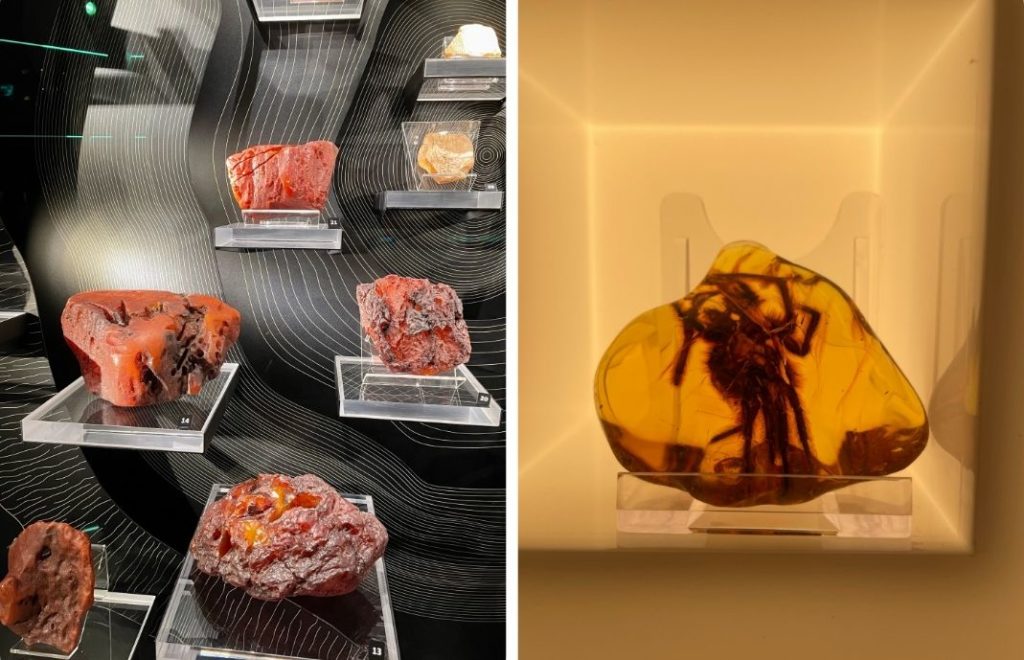
To truly understand amber’s cultural and natural legacy, step into the Museum of Amber, opened in 2021 and beautifully housed in the historic Grand Mill of Gdańsk. This modern museum offers a richly immersive experience, with multimedia exhibitions set in moody, atmospheric lighting that enhances the mystical allure of the stone.
As you move through the museum’s two floors, you’ll encounter everything from ancient inclusions – amber pieces containing perfectly preserved insects and plant fragments – to unexpected artistic creations, like amber guitars, sculptures, and ornate jewelry. It’s a dazzling blend of nature, craftsmanship, and imagination.
In addition to its stunning displays, the museum also features a gift shop offering high-quality amber goods, perfect for taking home a piece of Gdańsk’s legacy.
Whether you’re a history lover, a design enthusiast, or simply enchanted by natural wonders, the Museum of Amber offers a luminous journey through the story of a substance that has captivated humanity for millennia.
9. Architectural gems – Gdańsk’s rebuilt glory
As World War II drew to a devastating close, Gdańsk was left in ruins, battered by the Red Army’s advance and the brutal realities of conflict. But in true Polish spirit, the people of Gdańsk looked to the past to rebuild their future – restoring their beloved city not with modern high-rises, but with painstaking historical reverence.
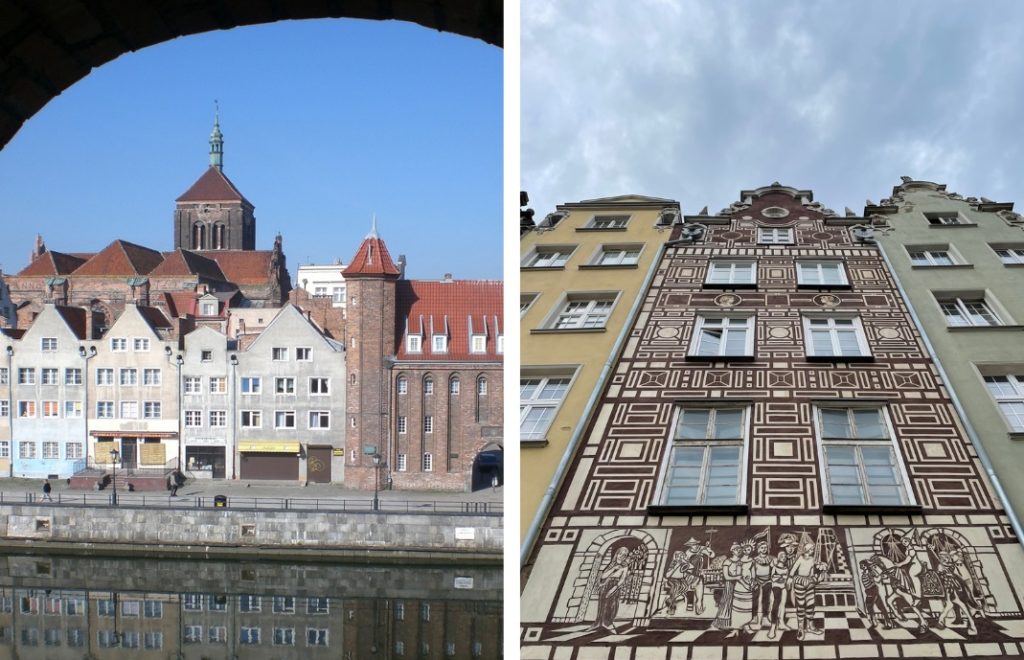
Today, the Old Town stands as a stunning recreation of 17th-century architecture, a vibrant, living stage set in the grand style of the Hanseatic League. Rows of tall, narrow facades in a kaleidoscope of colors line the streets, each one adorned with decorative motifs, ornate gables, and classic merchant flair. What may look like untouched history is, in fact, an architectural triumph – rebuilt stone by stone, honoring the city’s heritage with meticulous care.
No visit is complete without a walk down Mariacka Street, one of Gdańsk’s most enchanting lanes. With wrought iron railings, vintage street lanterns, and drainpipes carved into dragon heads, the street feels like a fairytale frozen in time. It’s also the heart of the city’s amber trade – lined with tiny boutiques and artisan shops offering exquisite amber and silver jewelry, many handcrafted right there in the workshops tucked behind the storefronts.
Between shopping stops, settle into one of Mariacka’s charming cafés, where the scent of coffee mingles with sea air and the quiet echo of footsteps on cobblestones. It’s a place to slow down, soak in the atmosphere, and feel Gdańsk’s soul shining through its architecture.
What was once rubble is now romance – an extraordinary story of resilience, revival, and beauty born from ashes.
10. A taste of Gdańsk – Where every meal tells a story
Gdańsk is not only a feast for the eyes, but also for the palate. The city’s culinary scene is a rich tapestry woven with Polish tradition, Baltic influence, and global flair. Whether you’re dining in a candlelit bistro tucked inside a Gothic alley or grabbing a quick bite along the riverside promenade, there’s something here to tempt every taste – and every budget.
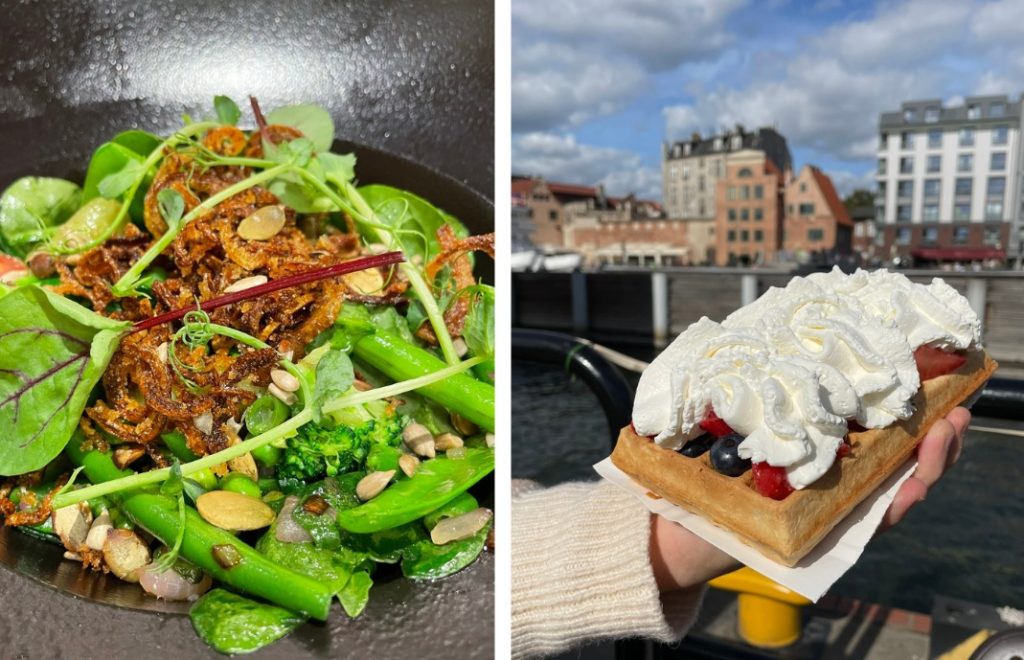
Among the must-try Polish classics is bigos, a hearty stew of sauerkraut, meat, mushrooms, and spices – a dish that warms you from the inside out and whispers of Polish family kitchens. Equally iconic are pierogi, the beloved dumplings filled with anything from savory cheese and potato to sweet berries or wild mushrooms. Soft, flavorful, and endlessly comforting, they’re a staple on menus across the city.
Craving something sweet as you stroll through the Old Town or along the Motława River? Take a break at one of Gdańsk’s many riverside cafés and treat yourself to a Belgian waffle piled high with whipped cream and fresh fruit – the perfect pairing with a view of historic facades and passing boats.
From traditional taverns to modern gastropubs, Gdańsk’s kitchens celebrate both authentic Polish flavors and international creativity, creating a dining experience as varied and vibrant as the city itself. So come hungry, and let Gdańsk surprise you – one dish at a time.
11. Raise a glass – Gdańsk’s liquid heritage
In Poland, vodka isn’t just a drink – it’s a tradition, deeply woven into the fabric of every celebration. And in Gdańsk, that tradition pours generously into every glass, with some of the finest vodkas in the country proudly served across its bars, restaurants, and tasting rooms.
Polish vodka is world-renowned for its exceptional purity and craftsmanship, with a dazzling array of brands and flavors to explore. Whether you prefer it straight, infused, or as part of a crafted cocktail, sipping vodka here is both a cultural experience and a toast to Polish pride.
But Gdańsk adds its own signature twist: Goldwasser. This legendary herbal liqueur, dating back to the 16th century, is flavored with a secret blend of spices and herbs, and contains actual flakes of 23-karat gold. When you raise your glass, the gold shimmers in the light – a touch of decadence and history in every sip.
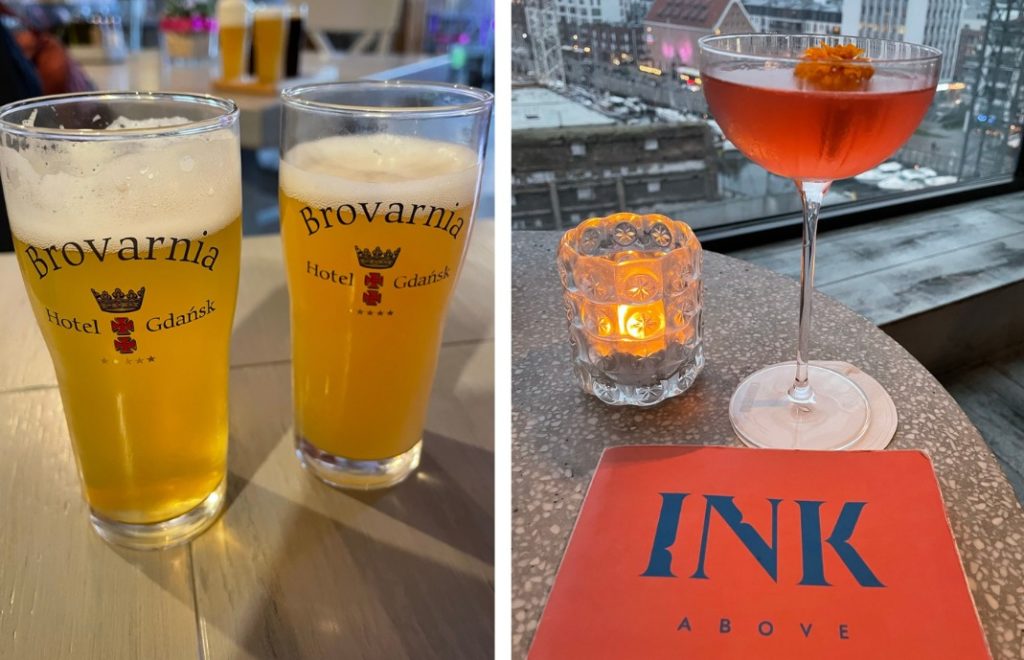
Beer lovers, too, will find their happy place in Gdańsk. The city has embraced the craft beer renaissance, and Brovarnia Gdańsk, located in a charming riverside granary, is one of the most renowned microbreweries. Here, you can sample freshly brewed ales and lagers, or join a brewery tour to learn how hops, barley, and Baltic passion come together in every pour.
And when night falls and the city lights begin to twinkle, head to Ink Above, the stylish rooftop bar atop the PURO Hotel. Settle into a cozy terrace seat, order a cocktail or local spirit, and watch the rooftops of Gdańsk glow beneath the stars.
Whether you prefer vodka with a story, beer with personality, or cocktails with a view, Gdańsk serves it all – with style, spirit, and just a hint of gold.
12. Go on a Lion Hunt – Meet Hewelion, Gdańsk’s bronze mascot
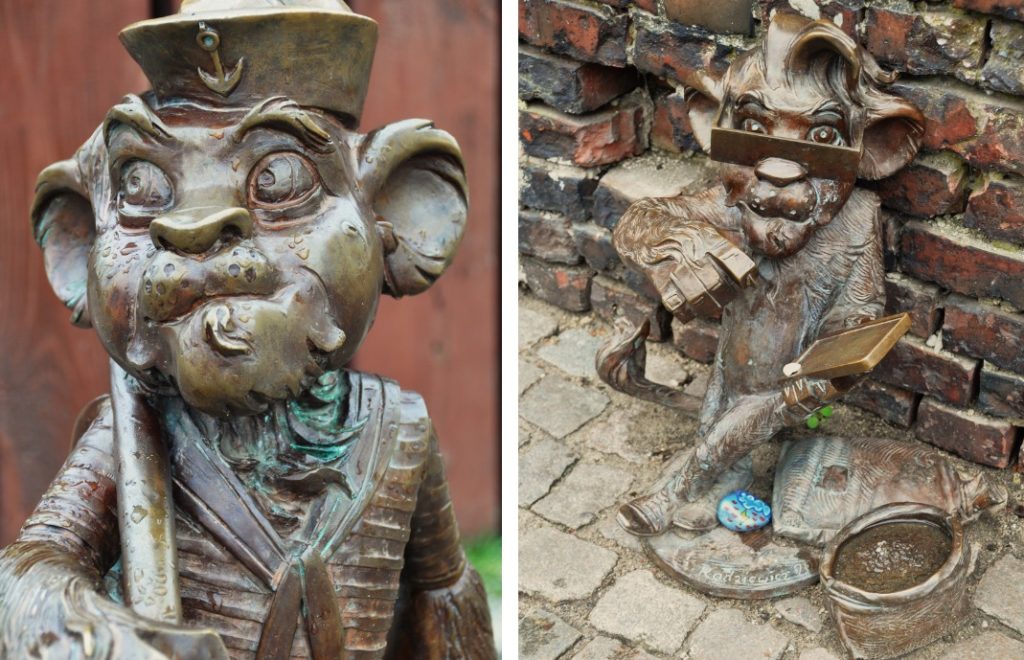
As you wander the streets of Gdańsk, don’t be surprised if you keep spotting a small, charming lion popping up in the most unexpected places. His name is Hewelion, and he’s become one of the city’s most beloved – and playful – symbols.
Standing just half a meter tall, these bronze statues are scattered across Gdańsk at more than a dozen key locations. Each version of Hewelion is dressed to match his surroundings – as a tourist at the zoo, an aviator at the airport, a sailor by the waterfront, or even a scholar near the science center. His posture, costume, and accessories are tailor-made for each spot, adding a delightful layer of personality and surprise.
Named as a tribute to Johannes Hevelius (the famed 17th-century Gdańsk astronomer) and the English word lion, Hewelion combines the city’s history, creativity, and sense of fun into a single charming character.
You’ll find him at notable locations such as the Tourist Information Office, Gdańsk Zoo, Lech Wałęsa Airport, the waterfront at Ołowianka Island, and outside the Grand Mill, among others.
Hewelion is more than just a quirky mascot – he’s a brilliant way to explore the city through curiosity and play. For families, children, or anyone with a treasure-hunting spirit, following the Hewelion Trail turns sightseeing into a joyful game.
So keep your eyes open. That bronze glint you spot near your feet might just lead you to the next chapter in Gdańsk’s most whimsical walking tour.
More inspiration: Lion hunt in Gdańsk
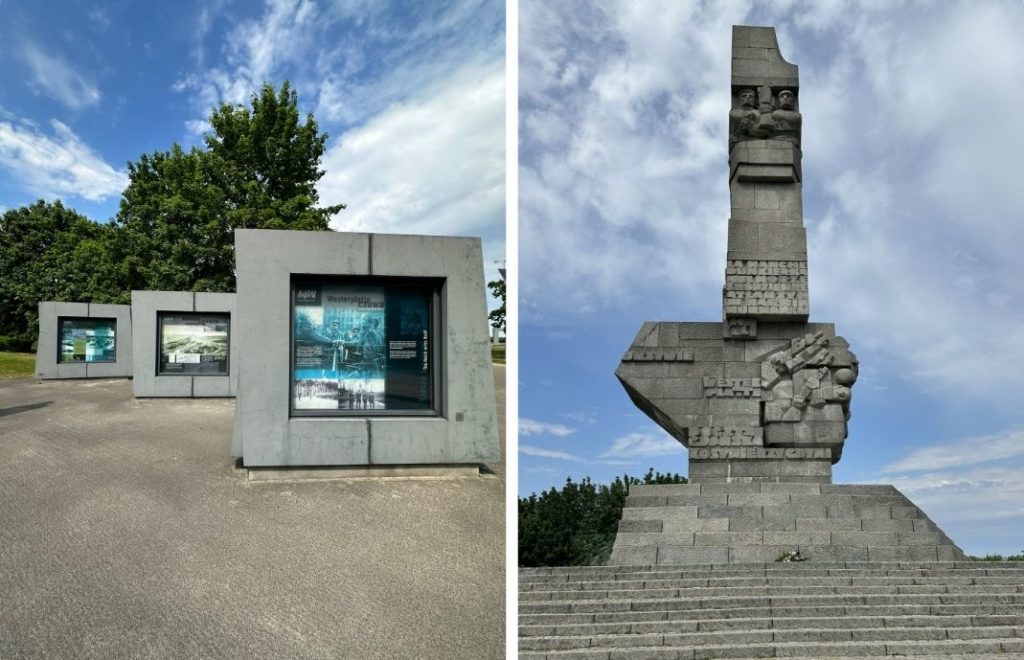
13. Westerplatte – Where World War II began
Few places carry the weight of history like Westerplatte, a narrow peninsula just outside Gdańsk that became the flashpoint of the most devastating conflict in human history. It was here, at 04:08 AM on September 1, 1939, that the German battleship Schleswig-Holstein – under the guise of a peaceful visit – opened fire on the Polish garrison, igniting the Second World War.
Today, Westerplatte stands not only as a historic site, but as a symbol of defiance, sacrifice, and courage. It’s one of the most visited landmarks in Gdańsk and a place of deep reverence for anyone with an interest in history.
On that fateful morning, just 189 Polish soldiers were stationed here. Their orders were simple yet staggering: hold the position for 24 hours – long enough for reinforcements to arrive. What followed was seven days of unrelenting bombardment from sea, air, and land. Facing a German force of 3,500 troops, along with naval artillery and Luftwaffe airstrikes, the defenders held their ground with unmatched resolve.
By September 7, with no help in sight and their supplies depleted – no water, no ammunition, no medical aid – Major Henryk Sucharski made the impossible decision to surrender. His men had withstood the unimaginable.
Today, Westerplatte is preserved as a memorial park. Visitors can walk among the ruins of bunkers, explore burned-out barracks, and visit the small seasonal museum inside Guardhouse Number 1, which provides an intimate look at the lives and last stand of the Polish defenders.
Most striking of all is the towering 25-meter monument, rising solemnly above the Baltic coast. Built to honor those who gave everything for their homeland, it stands as a sentinel of memory – and a reminder of the cost of war.
To walk Westerplatte is to walk the line between past and present, where silence speaks volumes and courage lives forever.
More inspiration: Westerplatte – Where the Second World War began
14. Stutthof Concentration Camp – A Place of remembrance and reflection
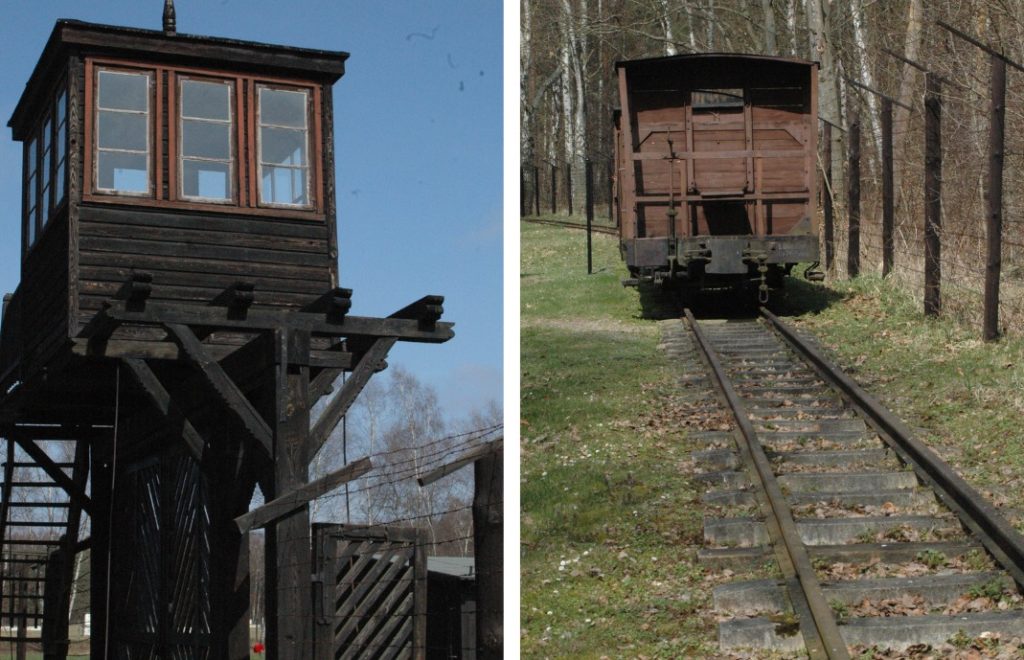
For those visiting Gdańsk to better understand the tragedies of World War II, a visit to Stutthof Concentration Camp is not just recommended – it is essential. Located about an hour from the city, with regular daily bus service, Stutthof offers a sobering, deeply emotional experience that bears witness to one of history’s darkest chapters.
Though the Holocaust is a harrowing topic, confronting its realities is vital. Stutthof was the first Nazi concentration camp established outside Germany – and the last to be liberated. Hidden away in a remote forest, its existence remained largely concealed from the outside world, unlike the infamous Auschwitz.
Liberated by the Red Army on May 9, 1945, a day after Germany’s surrender, Stutthof had imprisoned over 111,000 people during its operation. It was one of the most ethnically diverse camps in the Nazi system. Records show prisoners from 28 different countries, including Poles, Norwegians, Danes, Finns, Dutch, and countless others.
Among those detained were European Jews, members of the Polish resistance, Soviet POWs, and civilians from Warsaw forcibly removed after the 1944 Uprising. The conditions were inhumane, the brutality unthinkable. Yet today, the site stands as a stark reminder of the human cost of hatred – and the importance of never forgetting.
Visitors can explore the barracks, gas chamber ruins, crematorium, guard towers, and the camp memorial, often in respectful silence. While not all signs are in English, the gravity of what happened here transcends language. Many opt to explore independently, though guided tours and audio guides are also available.
A visit to Stutthof is not easy – but it is deeply meaningful. It offers perspective, honors the memory of those who suffered, and reinforces a universal message: never again.
A heartfelt thank you to the Polish National Tourist Office for inviting me to Gdansk. My flights, accommodation, transport, activities and meals were covered. There are no requirements from the suppliers regarding posts or promotion on social media. Opinions and photos are, as always, my own.
More inspiration to visit Poland:
Polish cities worth discovering
12 great reasons to visit Warsaw
8 great reasons to visit Kraków
7 very good reasons to visit Wroclaw
11 reasons Wrocław is Poland’s best-kept secret
Everything you need to know about Szczecin
18 must-do experiences in Poznań
